

If you’ve been told you need a new roof, you’ve probably heard two options: tear off the old shingles and start fresh, or just layer new shingles on top of what’s already there. The second option sounds cheaper and faster. And honestly, it is – upfront. But there’s a lot more to the story, and most homeowners don’t learn the difference until it’s too late.
Let’s break down what a roof tear-off actually is, why it usually wins out over a re-roof (the technical term for layering), and what that decision really means for your home in Boca Raton.
What Is a Roof Tear Off, Exactly?
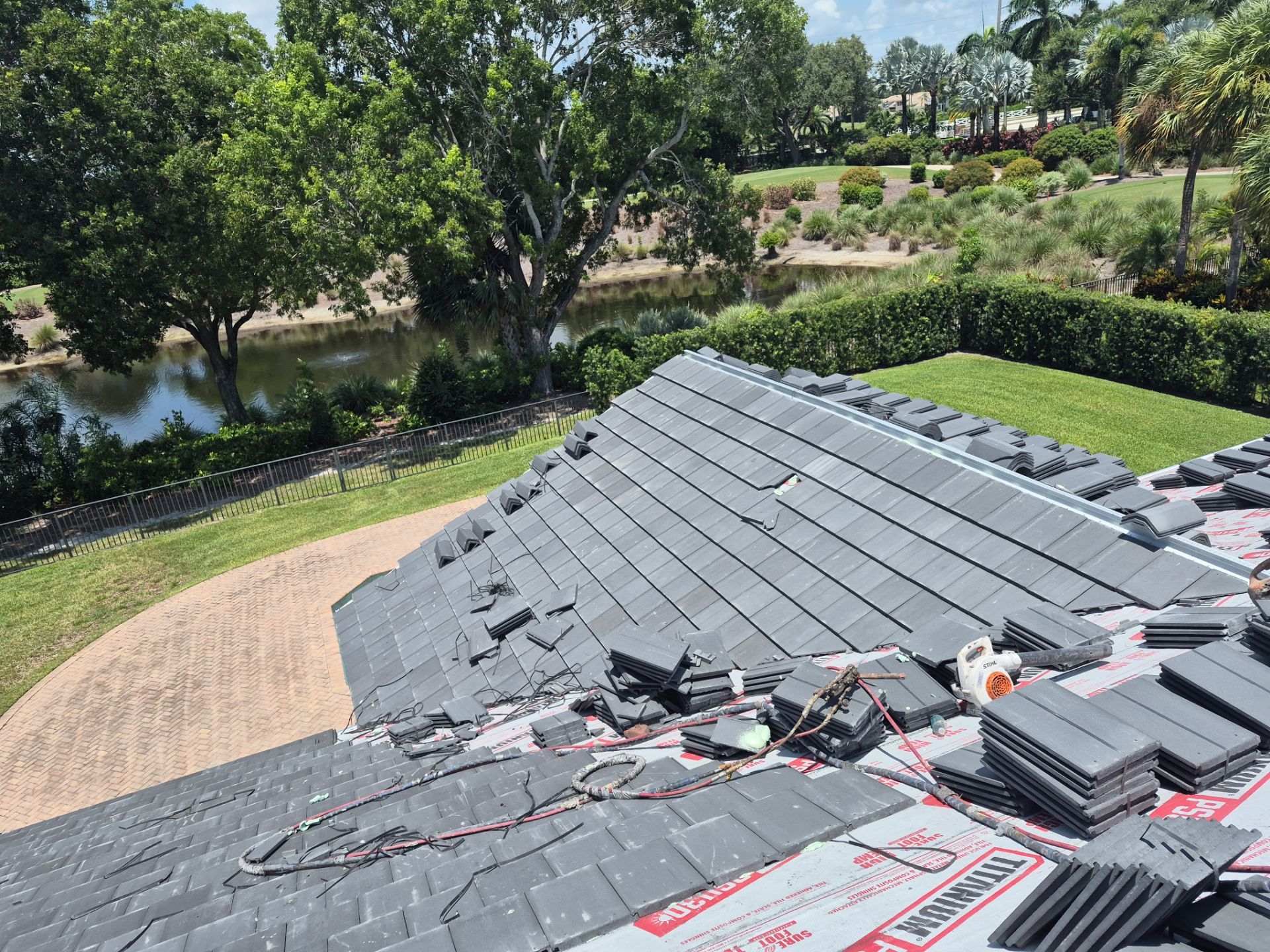
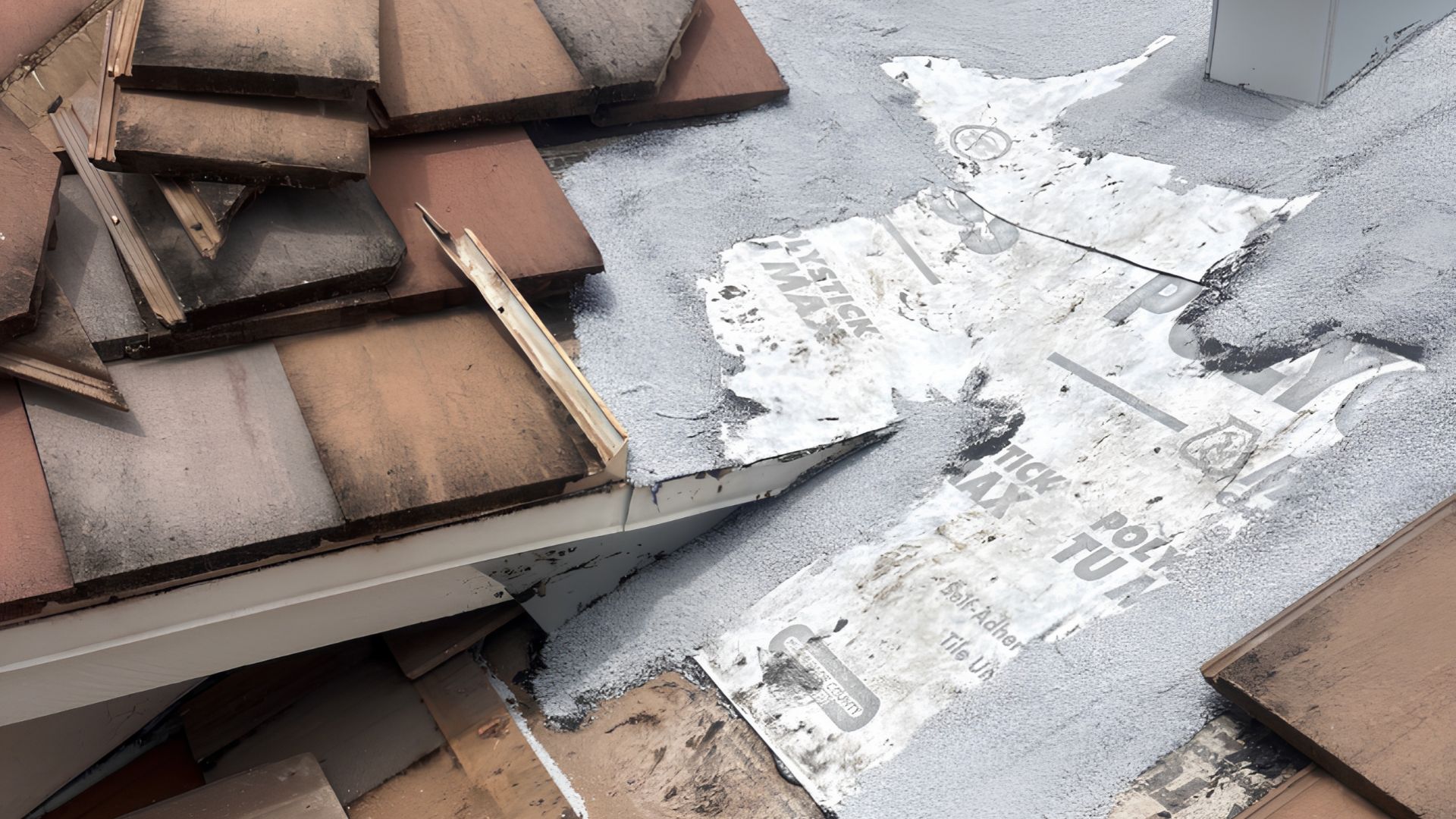
A roof tear-off means removing every existing layer of shingles down to the roof deck – the wooden structure underneath everything. Once that’s exposed, the crew can inspect it, repair any damaged boards, and then install fresh underlayment and new shingles from scratch.
It’s more labor-intensive than slapping a second layer on top. But it also gives your roofer a clear view of what’s actually going on beneath the surface, which turns out to matter quite a bit.
What Is a Re-Roof (Overlay)?
A re-roof, or overlay, skips the removal step. New shingles go directly on top of the old ones. It saves time and disposal costs, and some homeowners are drawn to that lower initial price tag.
The problem is that everything hiding under those old shingles – rotted decking, failed underlayment, moisture damage – stays hidden. You’re not fixing anything. You’re covering it up.
Why a Roof Tear-Off Is Almost Always the Better Call
You Finally Get to See the Roof Deck
The roof deck is what everything else sits on. If it’s warped, soft, or water-damaged, every new shingle you put over it is already compromised before a single storm rolls through.
In South Florida, heat and humidity are relentless. Moisture works its way in through minor cracks and failing underlayment, and it quietly rots the wood underneath without showing obvious signs from the outside. A tear-off exposes all of that. A re-roof hides it.
Your New Roof Actually Performs Like a New Roof
When a roofing contractor installs shingles over an old layer, those new shingles can’t lie flat. The bumps, curls, and imperfections in the old layer push through, creating an uneven surface. That affects how your new shingles seal, how they handle wind uplift, and how they drain water.
In Boca Raton, where hurricane season is a very real concern, proper installation on a clean, flat deck isn’t optional – it’s essential. Your roof needs to perform at its best when conditions are at their worst.
It Weighs Less
This one surprises people. A standard layer of asphalt shingles adds significant weight to your roof structure. Two layers nearly double that load. Over time, that extra weight stresses the decking, the rafters, and even the walls.
Most building codes actually limit how many layers a roof can have for exactly this reason. Removing the old layer before installing new shingles keeps your home’s structure within safe limits.
You Get a Longer Lifespan
Shingles installed over an old layer don’t last as long. They trap more heat (which degrades the asphalt faster), they don’t bond as well to the surface, and they’re only as good as whatever they’re resting on.
A proper tear-off and replacement, done right, gives your new roof the best possible shot at reaching its full rated lifespan – whether that’s 20, 25, or 30-plus years depending on the material.
It Can Actually Save You Money Long-Term
Yes, a tear-off costs more upfront. But consider what happens if you skip it and problems surface two years later – rotted decking, mold, leaks that damage your ceiling and insulation. Now you’re looking at emergency repairs on top of the roofing work you should have done the first time properly.
Getting the job done right once is almost always cheaper than patching a bad decision repeatedly.
What Florida Building Code Says
Florida has strict building codes, especially when it comes to roofing – and for good reason. The state has seen what happens when roofs fail in high-wind events.
In many cases, Florida’s building code requires a full tear-off if your roof already has the maximum number of allowed layers (usually two). Your roofing contractor should check local code requirements and pull the proper permits before any work begins. At Whale Roofing & Construction, this is standard practice – not an afterthought.
What Happens During a Roof Tear-Off
If you’ve never had one done, here’s a general sense of what to expect:
- Removal – The crew strips all existing shingles, underlayment, and flashing down to the bare deck.
- Inspection – The roof deck is thoroughly checked for soft spots, rot, mold, or structural issues.
- Repairs – Any damaged decking boards are replaced before anything new goes on.
- Underlayment – A fresh layer of underlayment is installed for a watertight base.
- New shingles – New roofing material is installed over a clean, flat surface and properly secured.
- Cleanup – All debris is removed. At Whale Roofing, cleanup happens daily throughout the project.
The process takes longer than an overlay, but each step has a purpose. Skipping any of them creates problems down the line.
When Might an Overlay Be Acceptable?
To be fair, there are some situations where an overlay might be technically permissible. If your roof deck is in excellent condition, if there’s currently only one layer of shingles, and if you’re working with a very tight budget, a re-roof could be a short-term solution.
But “permissible” and “advisable” aren’t the same thing. Any reputable roofing contractor will tell you that an overlay is a compromise, not a solution. It limits your options, shortens your roof’s lifespan, and can cause complications when you eventually need to sell or insure your home.
How This Applies to Shingle Roofing Specifically
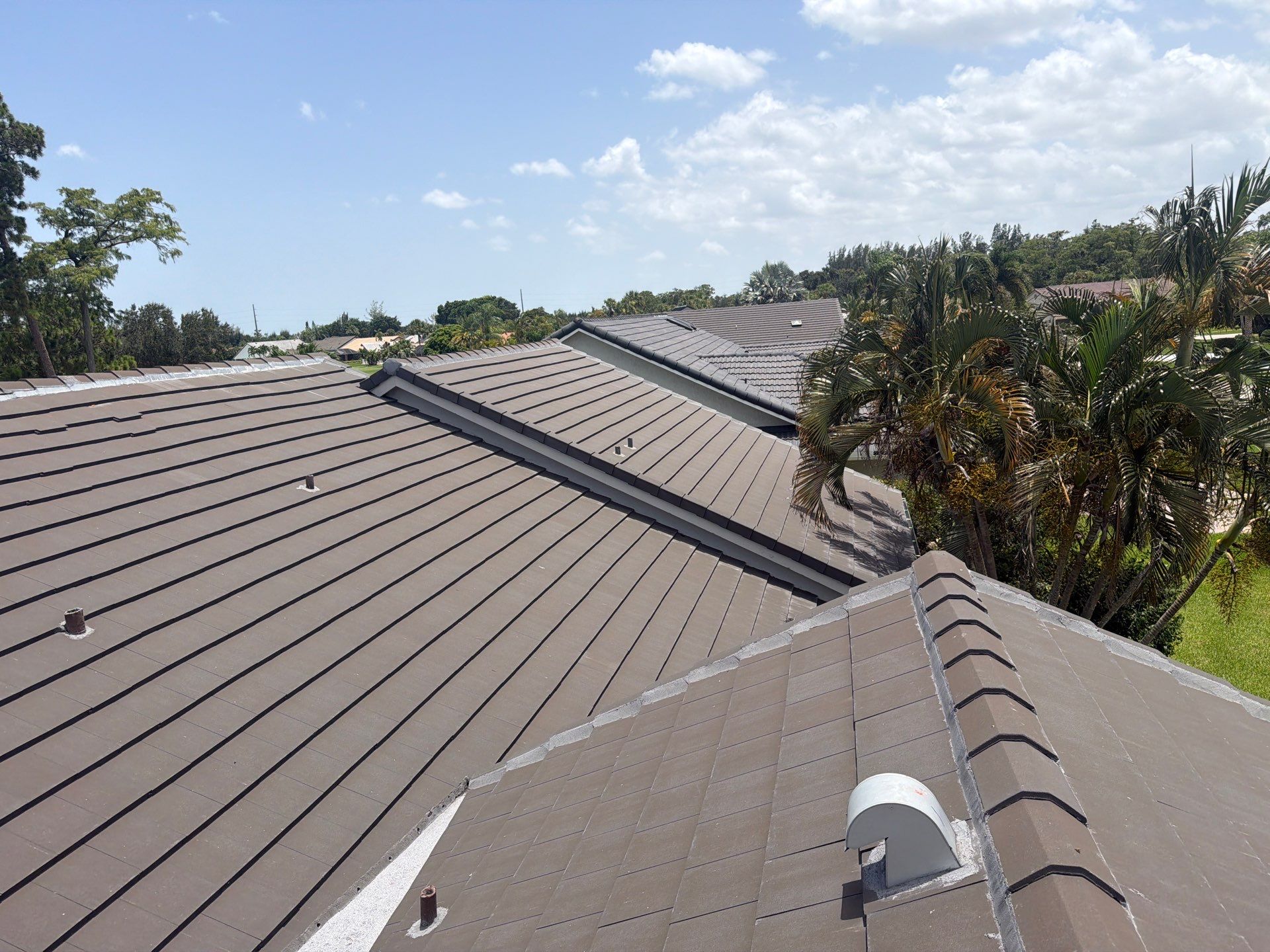
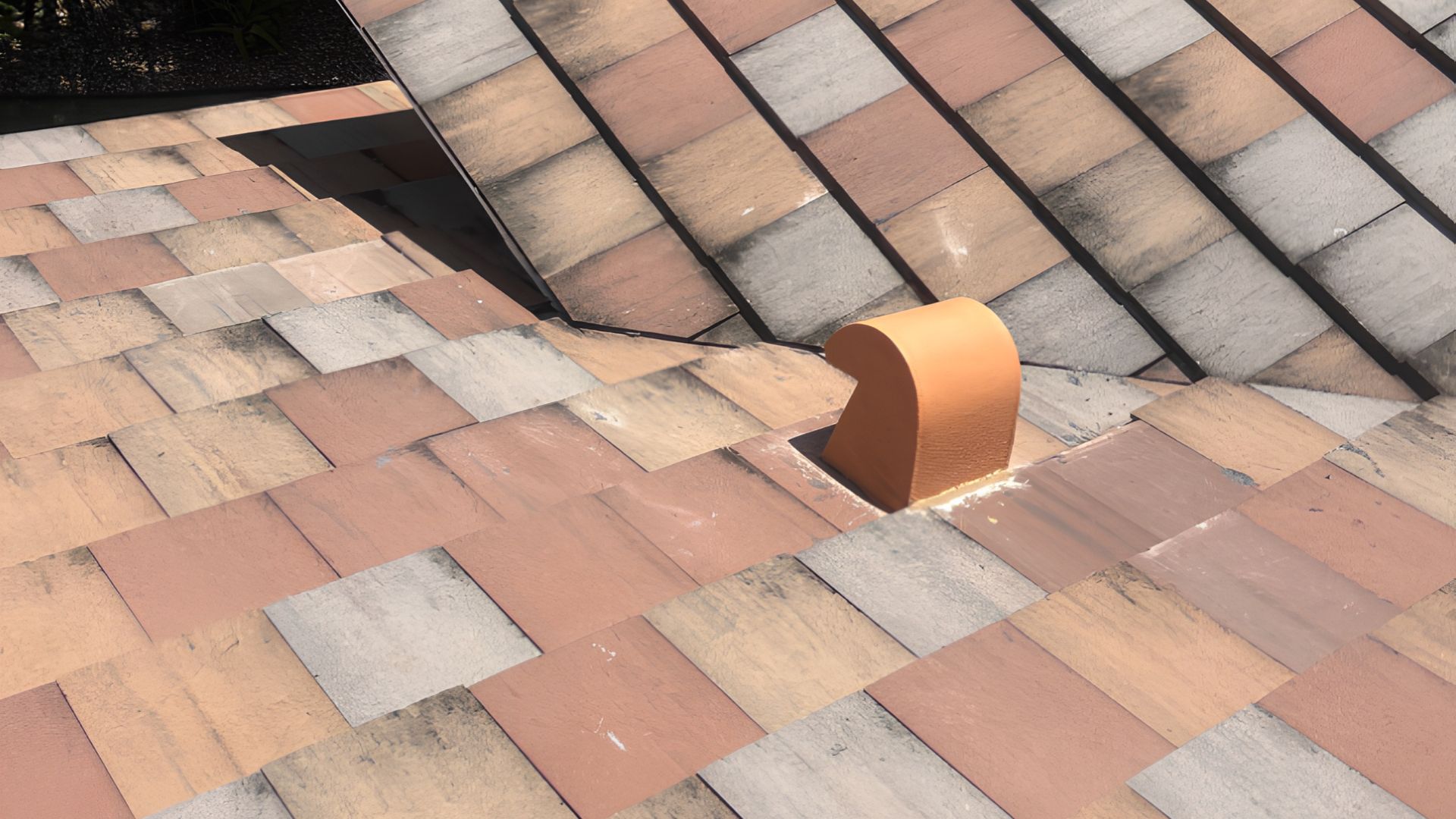
Shingle roofing is one of the most common roof types in residential neighborhoods throughout Boca Raton. It’s affordable, widely available, and comes in many styles. But it also happens to be the roofing type most often subject to the overlay debate.
When homeowners come to Whale Roofing & Construction asking about shingle roofing, one of the first conversations is always about what’s already on the roof and whether a tear-off is the right move. More often than not, it is – especially if the existing shingles are more than 15 years old or showing signs of wear.
Storm Damage Makes Tear-Offs Even More Important
After a major storm, the temptation to patch and cover can be strong. But storm damage often penetrates deeper than it looks. Wind can lift shingles and let water in under the surface. Hail can bruise the material without leaving obvious surface marks. Debris impact can crack or shift the underlayment.
If your roof has taken a hit and you’re considering repairs for storm damage, a proper inspection – and likely a tear-off- is the only way to know what you’re actually dealing with. Covering over storm damage is one of the most common ways homeowners end up with bigger, more expensive problems a year or two later.
What to Ask Your Roofing Contractor
Before agreeing to any roofing project, these are the questions worth asking:
- How many layers of shingles are currently on my roof?
- What condition is the roof deck in?
- Are you pulling permits for this job?
- Is an overlay even legal for my home under current code?
- What’s included in cleanup and debris removal?
A contractor who hesitates to answer any of these clearly isn’t the one you want working on your home.
Why Boca Raton Homeowners Should Care More Than Most
The climate in Boca Raton is genuinely demanding on roofing systems. You have intense UV exposure year-round, humidity that promotes mold and rot, and a hurricane season that brings real wind and water loads. Your roof isn’t just an aesthetic feature – it’s the primary barrier between your home and all of that.
That’s why cutting corners on installation quality has consequences here that might not show up the same way in a milder climate. The difference between a properly torn-off and rebuilt roof versus a layered-over patch job becomes very clear the first time a serious storm rolls through.
Frequently Asked Questions
How long does a roof tear-off take?
For a typical single-family home, a full tear-off and replacement usually takes one to three days depending on the size of the roof, the condition of the deck, and the weather. Your contractor should give you a realistic timeline before work begins.
Does a roof tear-off make a mess?
It can create debris, but a professional crew manages that throughout the job. At Whale Roofing & Construction, daily cleanup is part of every project – no leaving shingle piles in your yard overnight.
Is a roof tear-off required by code in Florida?
Not always, but Florida code does limit the number of allowable roof layers. If your home already has two layers, a tear-off is required before adding anything new. Your contractor should verify this before starting any work.
Will my homeowner’s insurance cover a roof tear-off?
It depends on your policy and the reason for the replacement. If the work is related to storm or wind damage, there’s a good chance it’s covered at least in part. Always check with your insurance provider before assuming.
How do I know if my roof needs a tear-off vs. just a repair?
A professional inspection is the only reliable way to find out. If the deck is damaged, the underlayment has failed, or there are already multiple layers present, a tear-off is likely the right call. Whale Roofing & Construction offers free inspections – call 561-408-4433 to schedule one.
Why a Roof Tear Off Is Worth the Investment
A roof tear-off costs more upfront, but it delivers something an overlay simply cannot – a clean slate, a solid foundation, and a roof that’s actually built to last. For Boca Raton homeowners dealing with South Florida’s heat, humidity, and storm season, that difference matters more than most. If you’re weighing your options and want an honest assessment from a team that does this every day, start with a free roof inspection from Whale Roofing & Construction. No pressure, just real answers about what your home actually needs.