

If you’re a homeowner in Boca Raton weighing your roofing options, you’ve probably run into this debate already: clay or concrete tiles? Both look great on a South Florida home. Both hold up reasonably well in the heat. But when it comes to longevity, performance, and total cost of ownership, these two materials are not created equal.
One of them can last 100 years or more. The other typically starts showing its age around the 30 to 50-year mark.
This guide breaks down exactly what separates clay and concrete roof tiles, so you can make an informed decision before you commit to a material that will be sitting on top of your home for decades.
What Are Clay Roof Tiles?
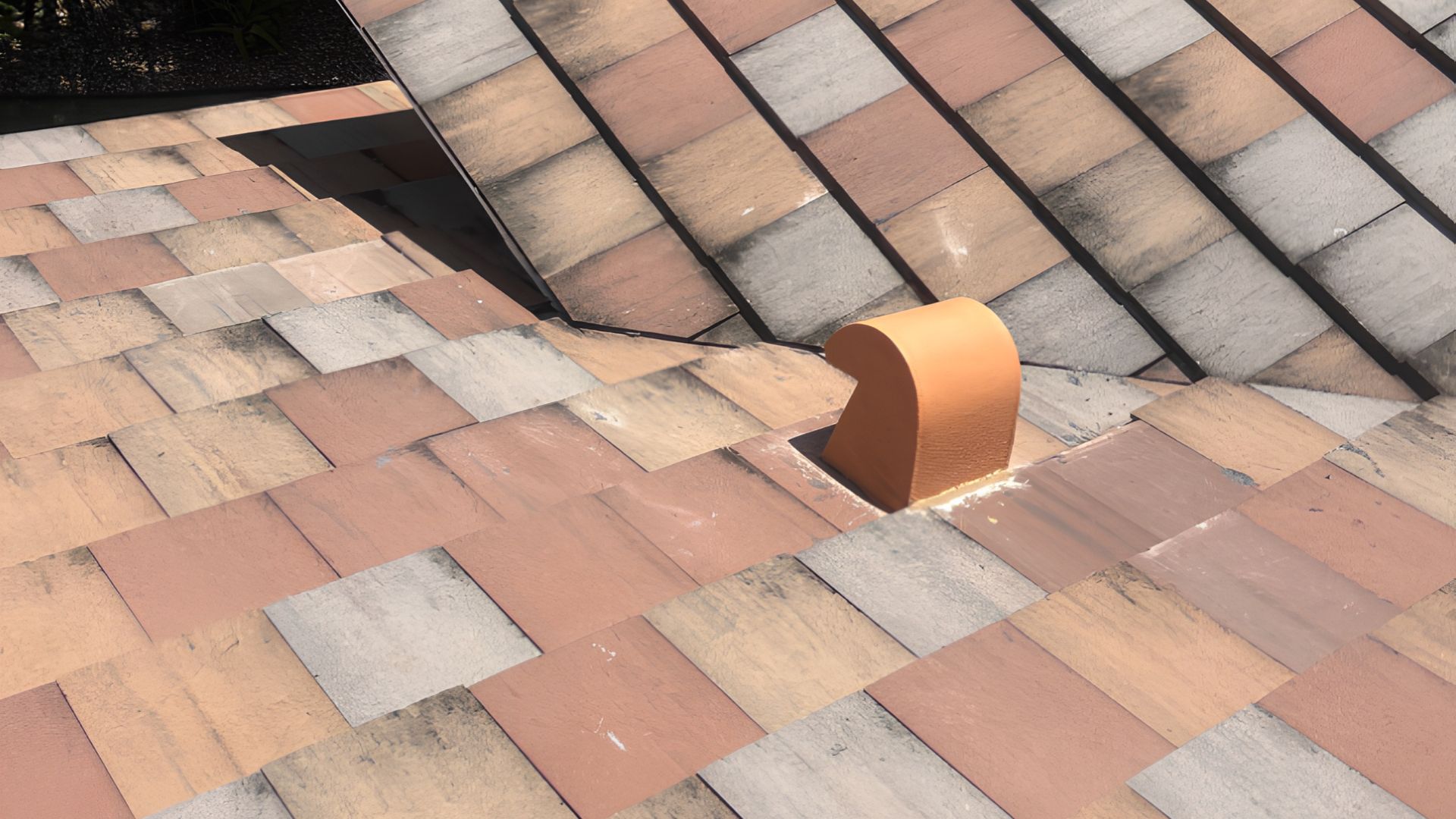
Clay tiles are made from natural earthen materials – specifically, kiln-fired clay. The firing process hardens the tile at extremely high temperatures, creating a dense, non-porous surface that resists moisture, UV radiation, and temperature extremes.
Clay tiles have been used in roofing for thousands of years. That’s not a marketing line – it’s a historical fact that tells you something important about the material’s durability.
In South Florida, clay tiles are a popular choice because they handle heat, humidity, and salt air exceptionally well. You’ll see them frequently on Mediterranean-style and Spanish-style homes throughout Boca Raton.
Common Styles of Clay Roof Tiles
Clay tiles come in several profiles. The most common options you’ll encounter include:
- Barrel (S-curve) tiles – the classic rounded shape associated with Spanish-style architecture
- Flat tiles – a sleeker, more modern look
- Mission tiles – alternating concave and convex pieces that create a distinctive ridged appearance
Each profile affects water drainage, wind uplift resistance, and aesthetics differently. A knowledgeable roofing contractor can walk you through which style suits your home’s structure and your local wind zone requirements.
What Are Concrete Roof Tiles?
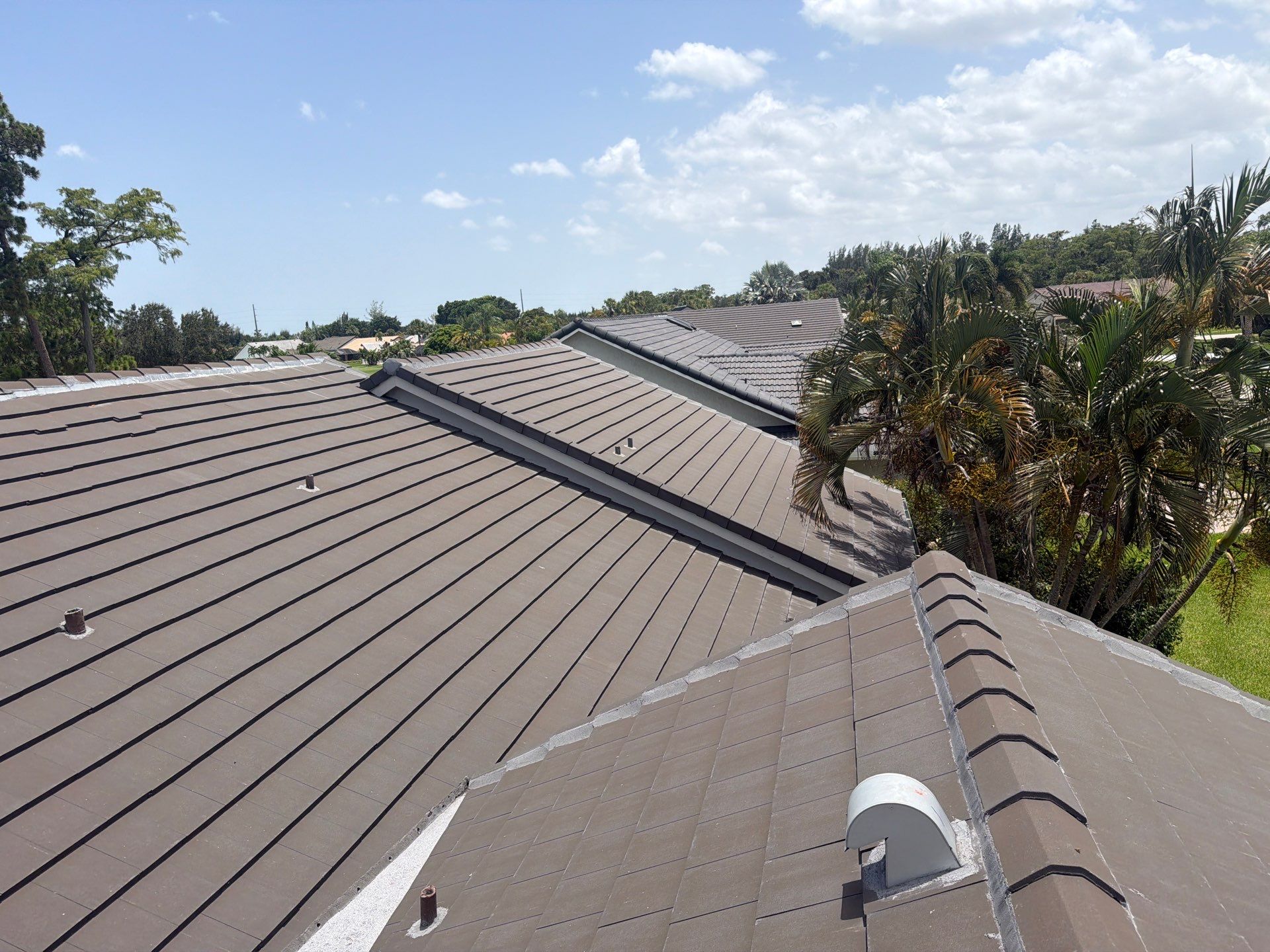
Concrete tiles are made from a mixture of sand, cement, and water. They’re molded under high pressure and then cured, which gives them significant structural strength. Many concrete tiles are designed to mimic the look of clay, wood shake, or even slate.
Because concrete is more affordable to produce than kiln-fired clay, concrete tiles typically cost less upfront. That price gap is one of the biggest reasons homeowners choose concrete over clay when replacing a roof.
That said, concrete tiles are heavier than clay tiles, and they do absorb more moisture over time. In a high-humidity environment like Boca Raton, that moisture absorption can affect how long the tiles last and how well they hold their color.
Common Styles of Concrete Roof Tiles
Like clay, concrete tiles come in multiple profiles:
- Low-profile flat tiles – popular on newer construction
- High-profile barrel tiles – designed to replicate the look of clay
- Medium-profile tiles – a middle-ground option for varied architectural styles
The visual difference between a high-quality concrete tile and a clay tile can be minimal at first glance. But the differences in performance over time are significant.
Clay vs Concrete Roof Tiles: The Core Differences
Let’s get into the real comparison. This is where the gap between these two materials becomes clear.
Lifespan: Where Clay Pulls Ahead by a Wide Margin
This is the headline difference. Clay roof tiles, when properly installed and maintained, can last 75 to 100 years – and in some cases, even longer. Concrete tiles have a respectable lifespan of around 30 to 50 years, but that’s still decades shorter than clay.
When you’re looking at a roof replacement that costs tens of thousands of dollars, that lifespan gap matters enormously. A clay tile roof installed today could outlast multiple concrete tile replacements over the same period.
Clay outlasts concrete largely because of its material composition. Clay is inert – it doesn’t react to moisture, it doesn’t break down under UV exposure the way concrete can, and the kiln-firing process creates a surface that holds up against the elements with minimal degradation.
Weight: Concrete is Heavier, and That Matters
Concrete tiles are significantly heavier than clay tiles. Depending on the profile, concrete tiles can weigh 40% to 50% more per square foot than their clay counterparts.
Why does this matter? Because your roof structure – the decking, trusses, and framing – has to support that weight. If your home was originally built with a lighter roofing material like asphalt shingles, switching to either tile type may require structural reinforcement. But if you’re choosing between clay and concrete, the lighter weight of clay gives it an advantage, particularly on older homes.
In Boca Raton, where homes frequently need to meet strict hurricane codes and wind uplift standards, structural load calculations are part of every serious roofing project. A licensed contractor will assess your home’s framing before recommending a tile type.
Moisture Absorption: Clay Wins Again
One of the less-discussed differences between clay and concrete tiles is how they handle moisture. Clay tiles are fired at high temperatures, which gives them very low water absorption. Concrete, by contrast, is a porous material that absorbs moisture over time.
In a climate like South Florida’s – with heavy rainfall, high humidity, and salty coastal air – moisture absorption can accelerate the breakdown of concrete tiles. Absorbed moisture can lead to surface degradation, color fading, and in some cases, the growth of algae or mold on the tile surface.
Clay tiles are far more resistant to all of these issues, which contributes directly to their longer lifespan.
Color Retention: Clay Holds Its Look Longer
Concrete tiles are often coated with a surface pigment to achieve their final color. Over time, that coating weathers and fades, especially under the intense UV exposure that Boca Raton homes experience year-round.
Clay tiles, on the other hand, are typically colored throughout the material itself during the firing process. The color doesn’t fade the same way because it’s not a surface application – it’s baked in. A clay tile roof installed decades ago can still look remarkably close to how it looked on day one.
If curb appeal and long-term aesthetics matter to you, this is a meaningful distinction.
Cost: Concrete Costs Less Upfront, Clay Costs Less Over Time
This is where the conversation gets nuanced. Concrete tiles are generally less expensive to purchase and install than clay tiles. Depending on the product and project scope, you might pay anywhere from 20% to 40% less for a concrete tile roof upfront.
But here’s the thing: if a clay tile roof lasts 100 years and a concrete tile roof lasts 40 years, the homeowner with clay tiles may never need to replace their roof again. The homeowner with concrete tiles could be looking at a full replacement in their lifetime.
When you factor in the cost of a second or even third replacement over a 100-year period, clay tiles often come out as the more economical choice in the long run.
Wind and Impact Resistance
Both clay and concrete tiles can perform well under high-wind conditions when installed correctly. In Boca Raton, roofing materials must meet Florida Building Code requirements for wind uplift resistance – and both tile types can be engineered to comply.
That said, clay tiles do have a slight edge when it comes to impact resistance in certain conditions. They’re less prone to surface cracking under thermal expansion and contraction cycles, which occur constantly in South Florida’s fluctuating heat and rain patterns.
It’s worth noting that no tile is indestructible. A fallen tree branch or severe hail event can crack both clay and concrete tiles. Regular inspections after storms are important regardless of which material is on your roof.
Which Tile is Better for Boca Raton Homes?
The honest answer: clay tiles are the superior long-term choice for most Boca Raton homeowners, particularly those who plan to stay in their home for many years and want to minimize future roofing costs.
The combination of extreme UV exposure, high humidity, hurricane-season wind loads, and salt air in South Florida plays directly to clay’s strengths – durability, moisture resistance, and color stability.
That said, concrete tiles are absolutely a viable option if upfront cost is a significant constraint. A well-installed concrete tile roof, properly maintained and inspected regularly, can still deliver 30 to 50 years of solid performance. For many homeowners, that’s a perfectly reasonable trade-off.
The key is going in with clear expectations about what you’re getting and what the long-term costs will look like.
What About Maintenance?
Both clay and concrete tile roofs require some level of maintenance, though less than asphalt shingles. The main things to watch for on any tile roof include:
- Cracked or broken tiles – these should be replaced promptly to prevent water intrusion
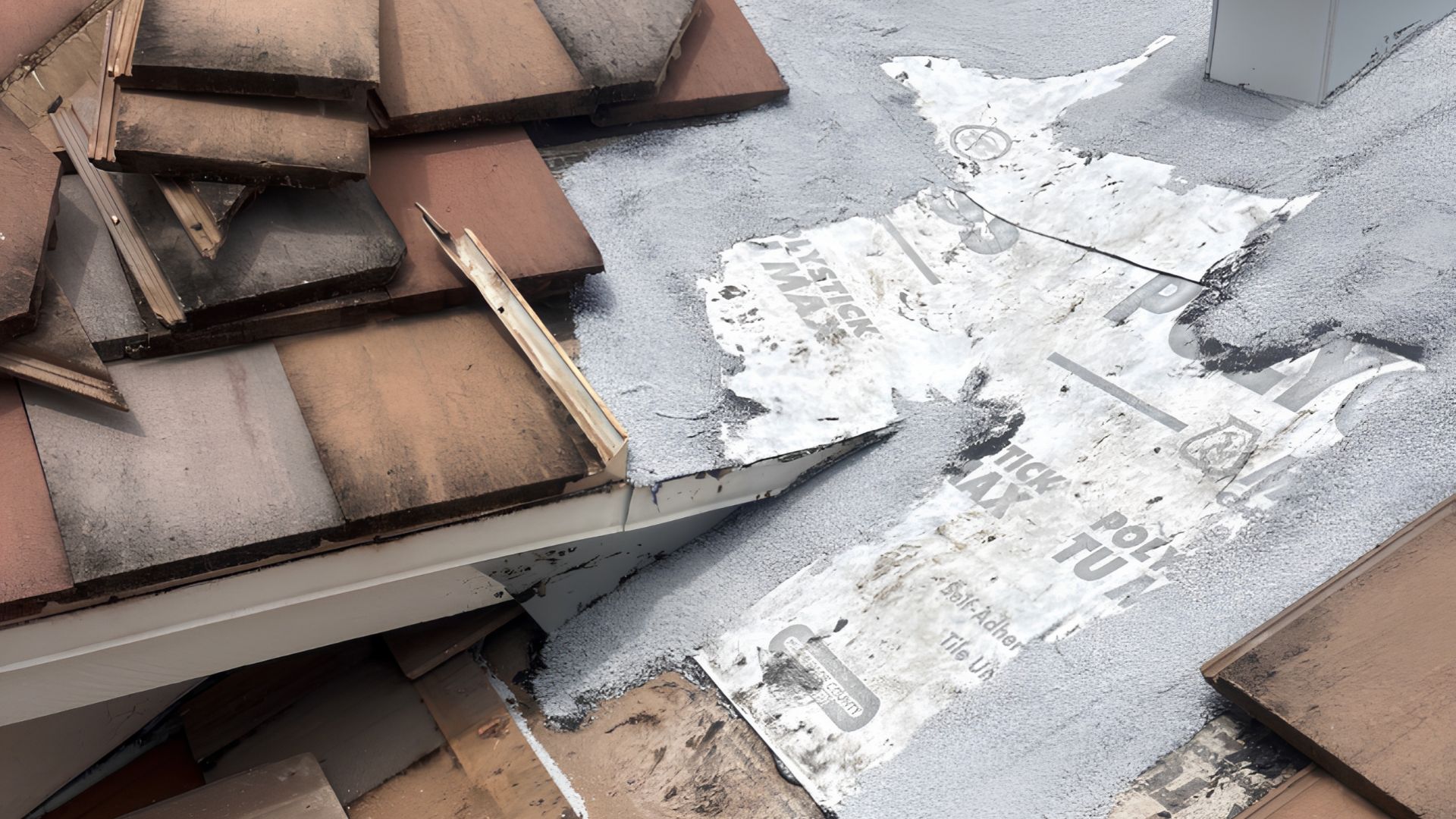
- Damaged or deteriorated underlayment – the waterproof layer beneath the tiles typically needs replacement before the tiles themselves wear out
- Clogged gutters and valleys – debris buildup can trap moisture against the tiles and flashing
- Algae or moss growth – more common on concrete tiles due to moisture absorption, but can occur on clay as well
Annual roof inspections are a smart investment for any tile roof. Catching a cracked tile or failing underlayment early can prevent a minor repair from turning into a major water damage claim.
If you’re already dealing with tile issues, learning more about tile roofing services can give you a better sense of what a professional assessment and repair process looks like.
How Installation Affects Tile Roof Performance
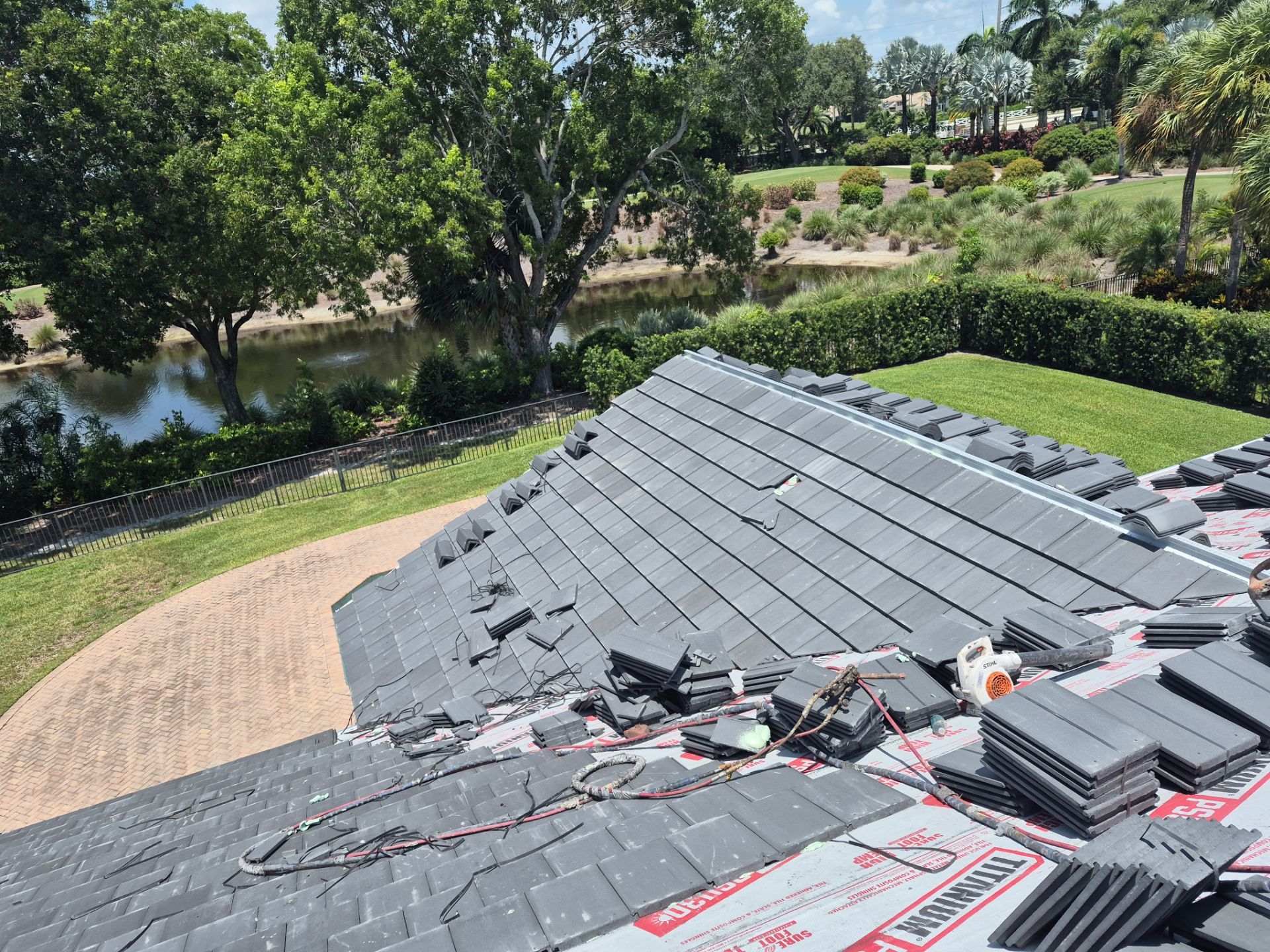
Here’s something homeowners often overlook: the material matters, but so does the installation. A premium clay tile roof installed incorrectly will fail prematurely. A mid-grade concrete tile roof installed with precision and proper underlayment can deliver excellent results.
Tile roofing requires a specific set of skills – proper fastening patterns, correct underlayment installation, and careful attention to flashing around penetrations like vents, chimneys, and skylights. These details determine how well the roof handles heavy rain, wind-driven moisture, and thermal movement.
In Boca Raton, Florida Building Code requirements add another layer of specificity. Wind mitigation credits, hip roof designs, and sealed roof decks all factor into how a tile roof must be installed. Working with a licensed, local roofing contractor familiar with these requirements isn’t optional – it’s essential.
Signs It Might Be Time to Replace Your Tile Roof
Not sure where your current roof stands? Here are some indicators that it may be time for a professional assessment:
- Widespread cracked or slipping tiles – occasional cracks are normal, but widespread damage signals a bigger problem
- Water stains on interior ceilings – these often mean the underlayment has failed, even if the tiles look intact from the outside
- Visible daylight in the attic – a clear sign of compromised roofing
- Roof age approaching or beyond the expected lifespan – if your concrete tile roof is nearing 40 years, proactive replacement planning makes sense
- Persistent leaks after repairs – if patching isn’t holding, the roof may have reached the end of its service life
A professional inspection can tell you definitively where your roof stands and what your options are.
Frequently Asked Questions About Clay vs Concrete Roof Tiles
How much longer do clay tiles last compared to concrete?
Clay tiles typically last 75 to 100 years or more. Concrete tiles generally last 30 to 50 years. That’s a gap of 25 to 50 years, which is significant when you’re calculating the total cost of ownership over the life of a home.
Are clay tiles worth the extra cost in South Florida?
For most homeowners in Boca Raton who plan to stay in their home long-term, yes. The longer lifespan, better moisture resistance, and superior color retention make clay tiles a strong investment that typically pays off over time compared to the lower upfront cost of concrete.
Do both tile types meet Florida hurricane codes?
Yes – both clay and concrete tiles can be installed to meet Florida Building Code requirements for high-wind zones. The installation method, fastening, and underlayment system all play a role in achieving code compliance and wind mitigation ratings.
Can I mix clay and concrete tiles on the same roof?
It’s not recommended. Mixing tile types creates inconsistencies in weight distribution, drainage behavior, and thermal expansion characteristics. If you’re replacing a portion of a tile roof, it’s best to match the existing material as closely as possible.
Does the underlayment matter as much as the tile itself?
Absolutely. The underlayment is the waterproof barrier that protects your home if water gets past the tiles. Many tile roofs fail not because the tiles wear out, but because the underlayment beneath them reaches the end of its life first. A quality underlayment installation is just as important as the tile selection.
Choosing the Right Roof Tile for Your Boca Raton Home
Clay tiles outlast concrete by decades – and in South Florida’s demanding climate, that gap becomes even more meaningful. If you’re planning a tile roof replacement or new installation in Boca Raton, the right material choice starts with an honest conversation about your budget, your timeline, and your home’s structural capacity. Whale Roofing & Construction specializes in tile roofing systems built for South Florida conditions. Explore your options with the tile roofing experts who know this climate best, or call 561-408-4433 to schedule your free inspection today.