

If you’ve recently gotten a quote to fix your tile roof and felt your jaw drop, you’re not alone. Tile roof repair costs can range from a few hundred dollars to several thousand, and most homeowners have no idea why the numbers swing so wildly. The truth is, several factors stack on top of each other to push that final bill higher than expected.
Understanding what you’re actually paying for puts you in a much better position – both to budget accurately and to spot a contractor who’s being straight with you.
Why Tile Roof Repairs Cost More Than You Might Expect
Tile roofing is one of the more durable and attractive roofing systems available, but its complexity also makes repairs more involved. You’re not just patching shingles. You’re working with a layered system that includes the tiles themselves, an underlayment beneath them, flashing around transitions, and often a mortar or foam adhesive holding everything together.
When one part of that system fails, the repair usually touches multiple components. That’s where costs start to climb.
The Biggest Factors That Drive Up Tile Roof Repair Costs
Type and Age of Your Tile
Not all tile is created equal. Concrete tile, clay tile, and slate tile all carry different price tags – both for the materials themselves and for the labor required to handle them correctly. Clay tile, for example, is more brittle and heavier, which means a roofer needs to move carefully and skillfully across the roof surface without cracking surrounding tiles.
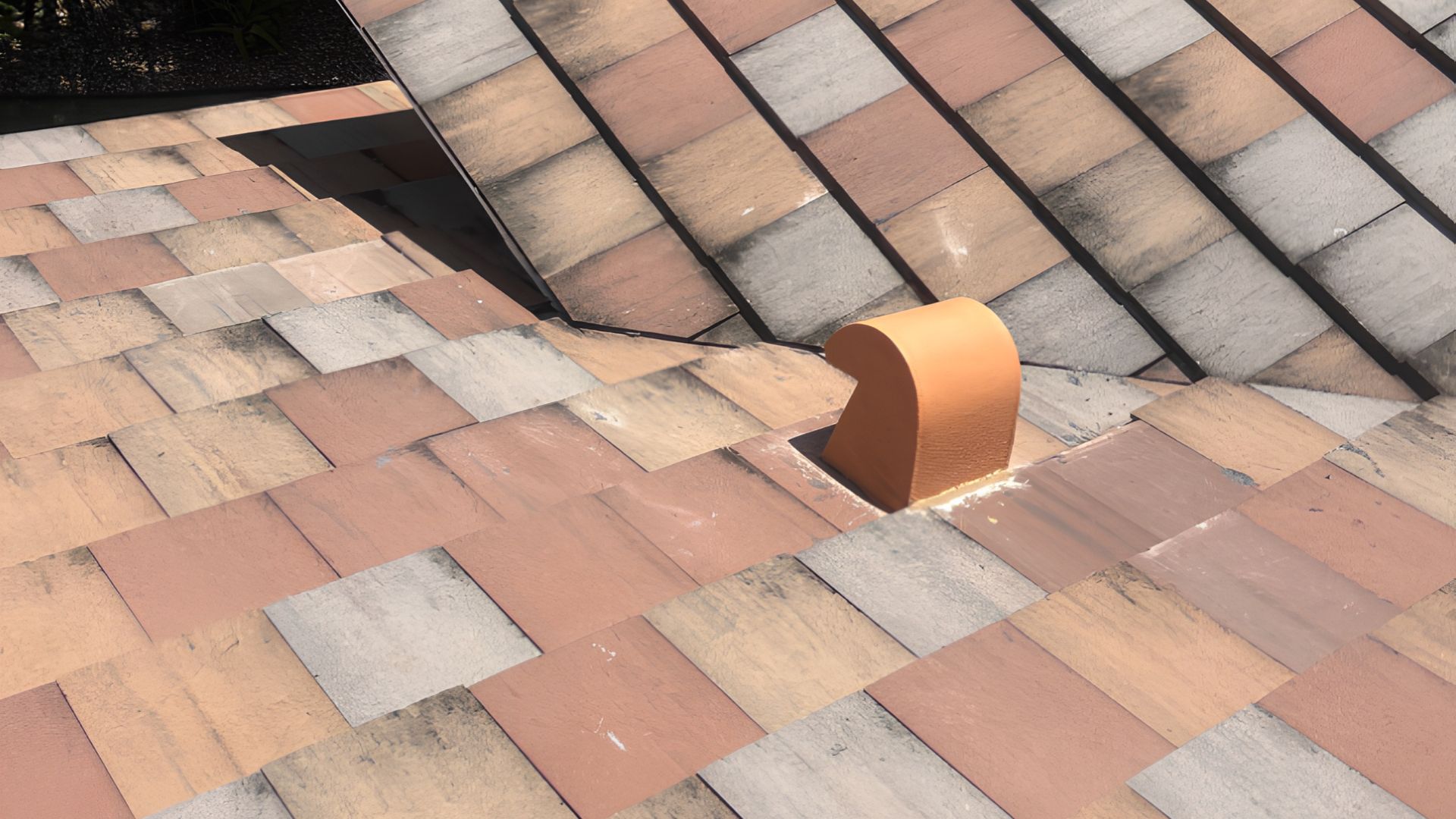
Older tile systems also present a challenge. If your roof is 20 or 30 years old, the tiles may be discontinued, making replacement tiles harder to source. When a contractor has to hunt down matching tiles, or when the color match isn’t perfect, that adds time, cost, and sometimes an entire section replacement just to maintain consistency.
The Extent of the Underlying Damage
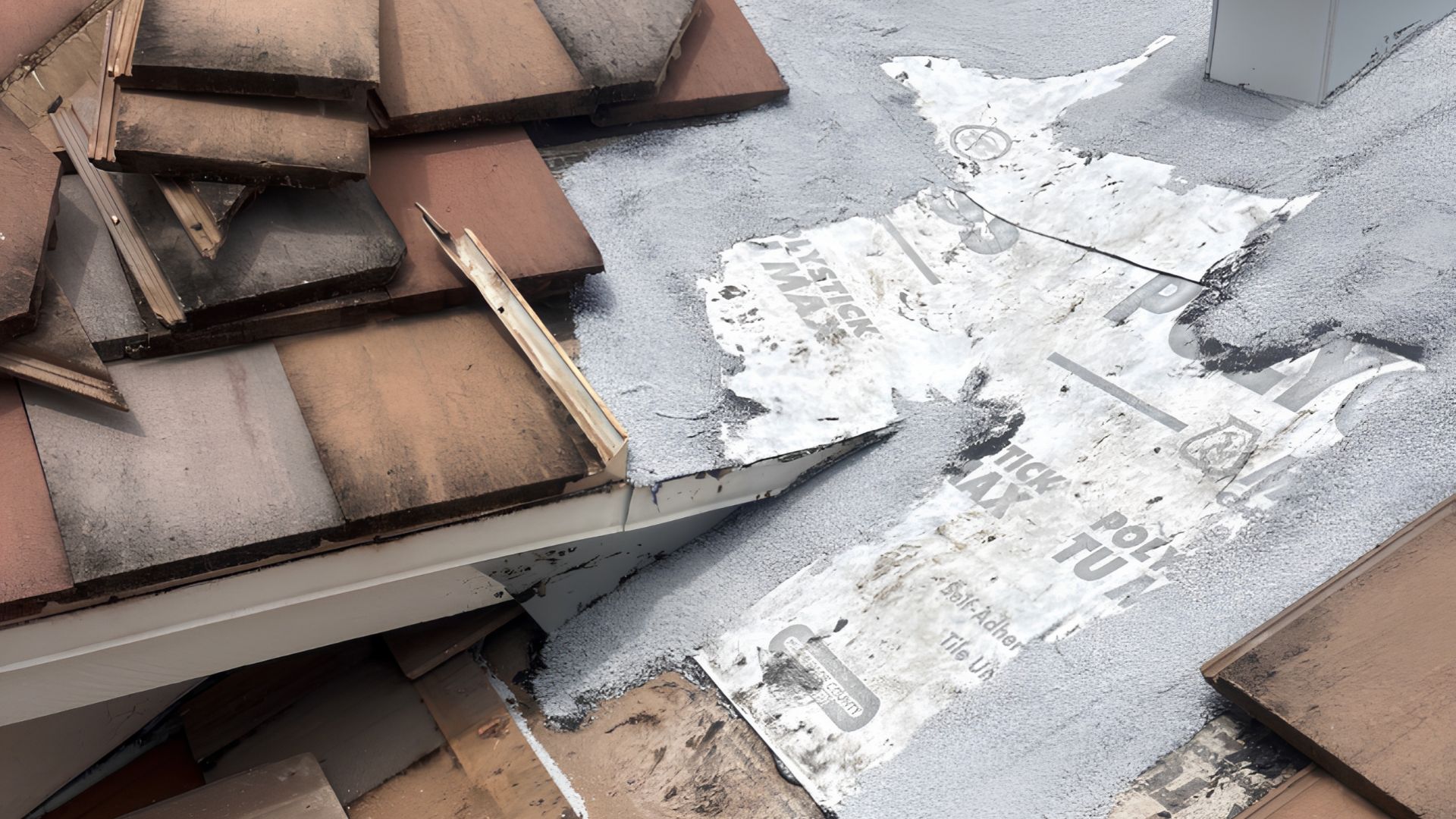
A cracked or slipped tile might look like a simple fix on the surface, but what sits beneath it often tells a different story. If water has been seeping through a compromised tile for months or years, the underlayment – and even the roof deck below it – may have taken on moisture damage, rot, or mold.
Replacing a handful of tiles without addressing what’s underneath is a short-term patch at best. A thorough repair means pulling back tiles, inspecting the underlayment, replacing damaged sections, and reinstalling everything properly. That scope of work costs significantly more than a surface-level swap.
Roof Pitch and Accessibility
Steeper roofs require more safety equipment, slower movement, and more labor hours. A roofer working on a high-pitch tile roof is taking on more risk and doing more physical work than someone walking a low-slope surface. That risk and effort are reflected in the quote you receive.
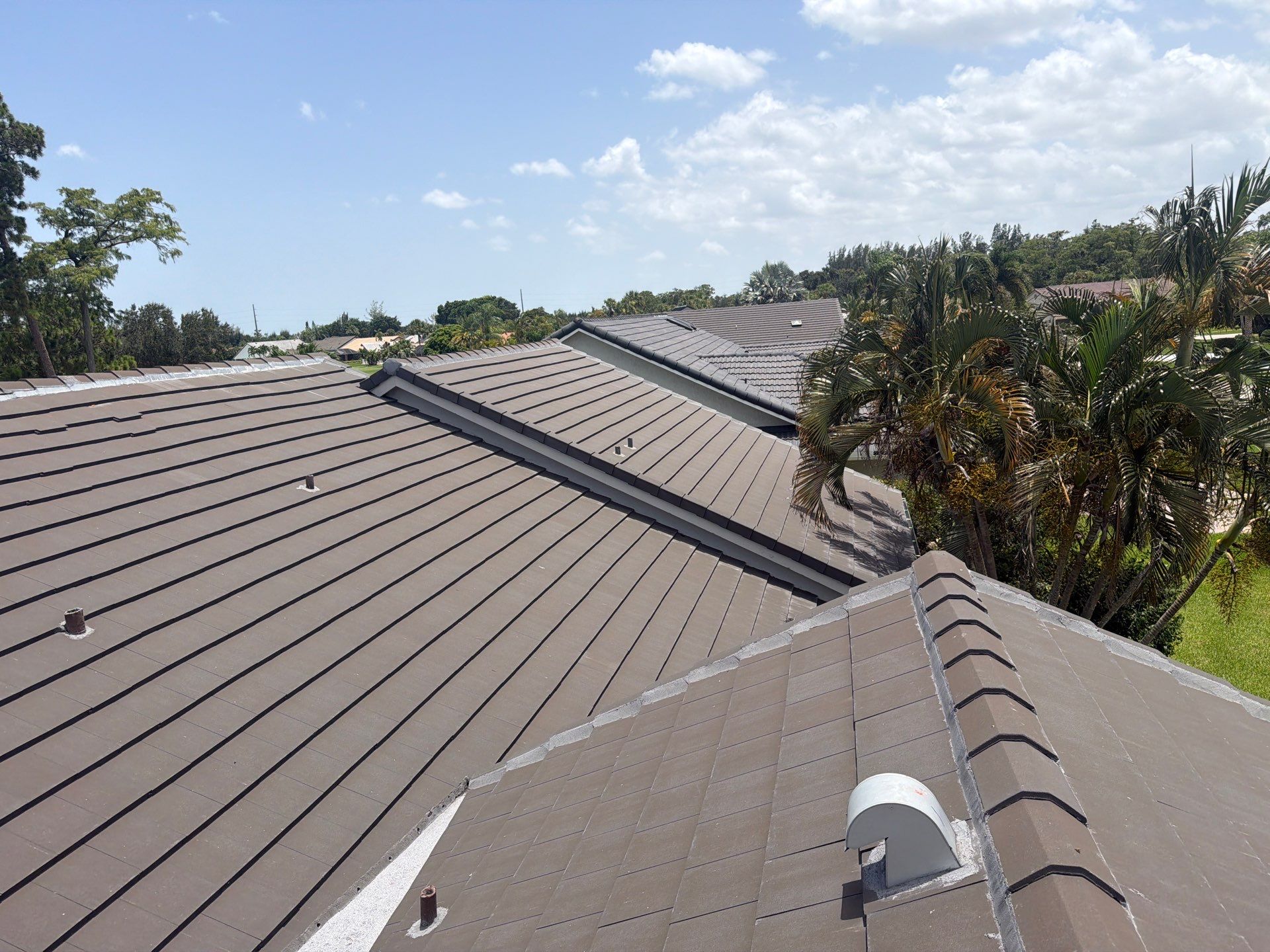
Accessibility matters too. If your home has multiple roof planes, dormers, skylights, or tight valleys, navigating those areas with fragile tile takes extra care and extra time.
Flashing and Leak Source Complexity
One of the most common sources of tile roof leaks isn’t the tile at all – it’s the flashing. Flashing is the metal material installed around chimneys, vents, skylights, and where the roof meets a wall. When flashing fails or was never installed correctly in the first place, water finds its way in.
Diagnosing a flashing problem versus a tile problem isn’t always straightforward. It often requires a proper inspection, and the repair itself involves removing tiles around the affected area, replacing or re-sealing the flashing, and putting everything back together. That complexity adds to the final cost.
Labor and Contractor Quality
Here’s a hard truth: the cheapest quote is rarely the best deal when it comes to tile roofing. Tile work requires a contractor who knows how to move across the surface without causing new damage, properly source matching materials, and ensure the repair holds for the long term.
Hiring an inexperienced contractor who bids low can result in cracked surrounding tiles during the repair process, improperly seated replacements, or missed underlayment damage – all of which create new problems down the road that cost more to fix. Skilled, experienced tile roofers charge more for a reason, and that investment pays off in a repair that actually lasts.
Common Tile Roof Repairs and What They Typically Involve
Replacing Individual Broken or Cracked Tiles
This is the most straightforward repair scenario, but even here, costs vary. The roofer needs to carefully lift surrounding tiles, remove the damaged one without cracking neighbors, source a matching replacement, and re-bed or re-fasten the new tile correctly.
If the underlayment beneath the broken tile is still intact and dry, this repair stays relatively contained. If not, the scope widens quickly.
Repairing or Replacing Damaged Underlayment
The underlayment is a moisture barrier that sits between your tile and the roof deck. In South Florida, where sun exposure is relentless and heavy rainfall is a regular occurrence, underlayment breaks down over time. When it fails, it stops doing its job – and your roof deck becomes vulnerable.
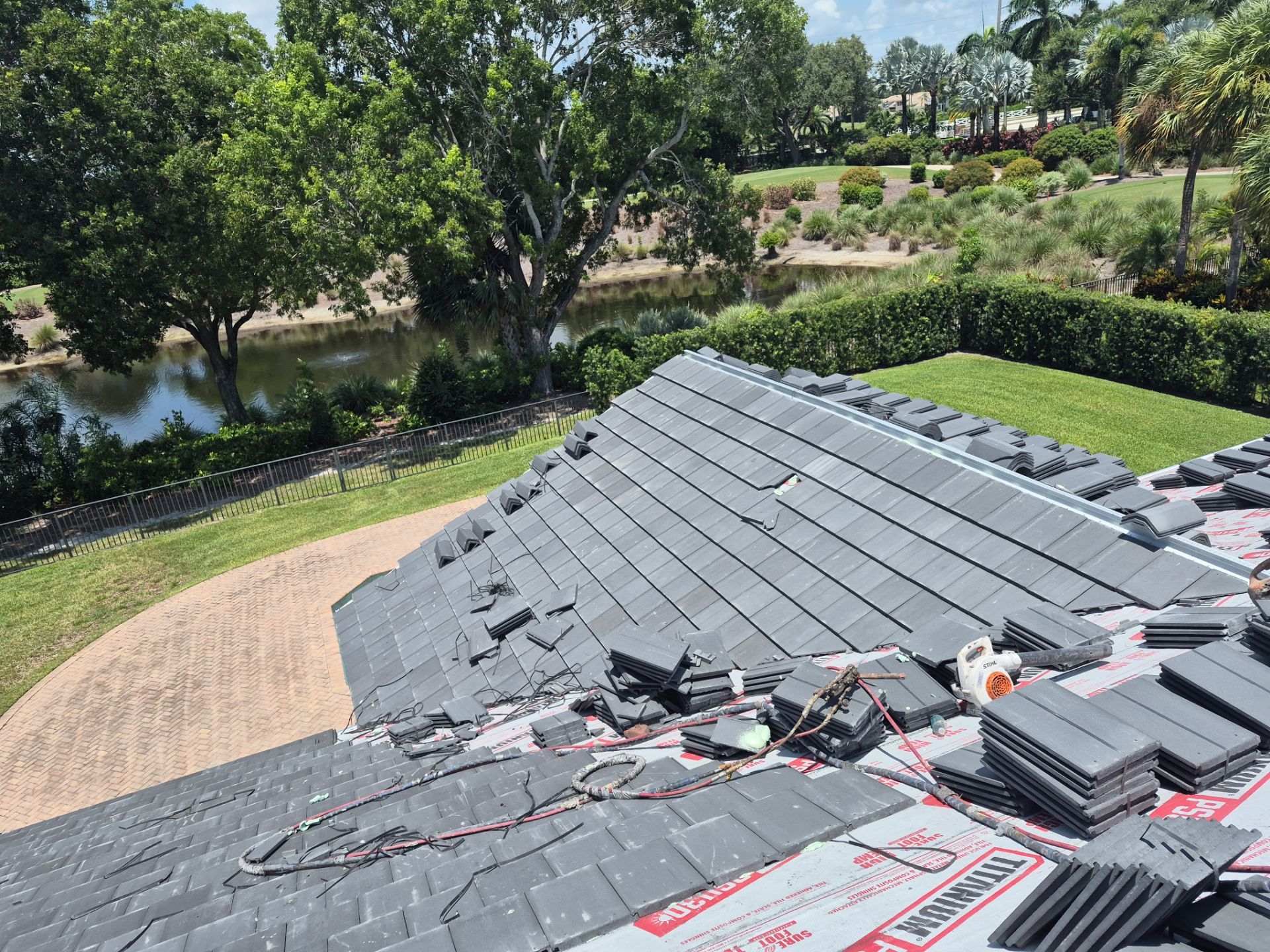
Underlayment replacement on a tile roof requires removing sections of tile, pulling out the old material, installing new underlayment, and re-setting the tile above it. It’s time-intensive and material-heavy, which is reflected in the cost.
Ridge Cap and Mortar Repairs
The ridge cap runs along the peak of your roof and is often held in place with mortar. Over time, mortar cracks and crumbles due to thermal expansion and contraction and general weathering. When ridge caps loosen or shift, they become a direct water entry point.
Repointing or replacing ridge caps involves removing the old mortar, resetting the caps, and applying new mortar or adhesive. It sounds simple, but on a larger roof, the linear footage adds up quickly.
Flashing Repair and Replacement
As mentioned earlier, flashing failures are a major source of leaks in tile roof systems. Repairing flashing means accessing the affected area – which often requires removing a section of tile – replacing the metal, sealing it properly, and reinstalling tile above it.
If the original flashing was installed poorly or is severely corroded, a full replacement is the safer option over a patch. That choice, while more expensive upfront, prevents the same repair from needing to happen again in a year or two.
Why South Florida Conditions Accelerate Tile Roof Wear
Living in Boca Raton means your roof is constantly exposed to conditions that wear down roofing materials faster than in most other parts of the country. Intense UV exposure breaks down underlayment and sealants faster. High humidity encourages mold and algae growth in the cracks between tiles. And hurricane season brings not just wind but wind-driven rain that exploits any weakness in the system.
These aren’t hypothetical concerns – they’re the reality of what South Florida roofs deal with every year. What might be a minor repair in a milder climate can become a more significant issue here because the conditions are less forgiving and the timeline for deterioration is compressed.
That’s why working with a roofing contractor who understands South Florida’s climate isn’t just a preference – it’s a practical necessity. A company that knows local building codes, common failure points in this region, and how materials perform under Florida conditions will give you better guidance and more durable results.
What a Proper Tile Roof Inspection Should Reveal
Before any repair quote becomes meaningful, there needs to be a thorough inspection. A real inspection goes beyond walking the perimeter of your home and glancing up. It means getting on the roof, checking the condition of the tile, testing for soft spots in the deck, examining flashing details, and assessing the underlayment wherever it’s accessible.
At Whale Roofing and Construction, inspections are done by experienced in-house professionals – not third-party subcontractors – which means the person evaluating your roof is the same type of expert who will be doing the repair. That continuity matters for accuracy and accountability.
If a contractor offers you a quote without a thorough inspection, that’s a red flag. Either they’re guessing, or they’re not accounting for everything that may be wrong.
How to Avoid Paying More Than You Should
There’s a difference between a repair being expensive because it’s genuinely complex and a repair being overpriced because a contractor is padding the bill. Here’s how to stay on the right side of that line.
Get at least two or three quotes from licensed, insured contractors. Ask each one to walk you through what they found during the inspection and explain what the repair involves. If the quotes vary wildly, ask the outlier to justify their pricing. A good contractor won’t be defensive about that conversation – they’ll welcome the chance to explain their process.
Ask specifically whether the quote covers just the tile or also the underlayment and flashing. Make sure you understand what’s included and what’s not before you sign anything.
And be cautious of very low bids, especially after a storm. Contractors who move into an area after a weather event, offer rock-bottom pricing, and push for quick payment often deliver substandard work that creates new problems within a year or two.
When a Repair Is No Longer the Right Answer
Sometimes the most honest thing a roofing contractor can tell you is that a repair isn’t worth it. If your tile roof is approaching the end of its service life, has widespread underlayment failure, or has been patched multiple times already, a full replacement may be the smarter financial decision.
This isn’t about upselling – it’s about honesty. Pouring several thousand dollars into repairs on a roof that has five years of life left doesn’t serve the homeowner well. A contractor who takes the time to show you the inspection findings, explain the condition of the overall system, and present both repair and replacement options is one you can trust.
For homeowners in Boca Raton weighing their options, understanding the full scope of what tile roofing involves – from initial installation quality to long-term maintenance needs – makes that decision much easier to navigate. Learning more about tile roofing systems can help you understand what a well-functioning roof should look like and what warning signs to watch for.
Frequently Asked Questions About Tile Roof Repair Costs
How much does it typically cost to repair a tile roof?
Costs vary significantly depending on the extent of damage, tile type, and what’s happening beneath the surface. A simple tile replacement for a few cracked pieces might run a few hundred dollars, while underlayment repairs or flashing work on a larger section can push into the thousands. Without a proper inspection, it’s impossible to give an accurate number.
Can I repair just a few tiles without replacing the whole roof?
Yes, in many cases individual tile repair is a perfectly valid approach – as long as the underlying components are still in good condition. The key is making sure the inspection confirms the underlayment and flashing are holding up. Replacing tiles over compromised underlayment is a temporary fix at best.
How long does a tile roof repair take?
Smaller repairs on straightforward sections can often be completed in a day. More involved work involving underlayment replacement or flashing correction may take two to three days depending on the size of the affected area and weather conditions.
Does homeowner’s insurance cover tile roof repairs?
It depends on the cause of the damage. Storm-related damage – from wind, hail, or falling debris – is typically covered under a standard homeowner’s policy. Damage from wear and deterioration over time is usually not. If your tile damage followed a storm, it’s worth filing a claim and getting a professional inspection before any repairs are made.
Why is tile roof repair more expensive than shingle repair?
Tile is a heavier, more fragile material that requires careful handling during repairs. Matching replacement tiles can also be difficult, especially on older roofs. The layered nature of a tile system – tile, underlayment, fasteners, mortar or foam – means repairs often involve more than just swapping out the top layer.
Make an Informed Tile Roof Repair Decision
Tile roof repair costs climb quickly when damage runs deeper than the surface, when materials are hard to match, or when the work demands skilled hands and real expertise. In Boca Raton’s demanding climate, cutting corners on a tile roof repair almost always costs more in the long run. If your tile roof needs attention, start with an honest inspection from a contractor who will tell you exactly what’s going on. To get a clear picture of what your roof actually needs, reach out to Whale Roofing and Construction at 561-408-4433 for a free inspection and estimate.