

You notice a water stain on your ceiling. Maybe it’s right below where a vent pipe sticks out of your roof. You check outside and the shingles look fine. So what’s going on?
The culprit is almost always the same thing: a cracked or deteriorated pipe boot. It’s one of the most common causes of a roof leaking around a vent pipe, and it’s one of the most overlooked because it doesn’t look dramatic from the ground. But left alone, the damage it causes absolutely is.
What Is a Pipe Boot and Why Does It Matter?
A pipe boot – sometimes called a vent pipe flashing or roof boot – is the rubber or metal collar that wraps around your vent pipe where it exits through the roof. Its only job is to create a watertight seal between the pipe and the surrounding roofing material.
It sounds simple, and it is. But that rubber seal takes a beating every single day from UV exposure, heat, and rain. Over time, it dries out, shrinks, and cracks. Once it cracks, water has a direct path into your home every time it rains.
Why This Happens More Often in South Florida
South Florida’s climate is genuinely tough on roofing materials. In Boca Raton, your roof deals with intense sun year-round, heavy afternoon rainstorms during hurricane season, and humidity that never really lets up.
Rubber pipe boots typically have a lifespan of 10 to 15 years under normal conditions. Down here, you might see them degrade faster – especially if the roof gets a lot of direct sun exposure, which in Boca Raton is basically guaranteed. The heat accelerates the breakdown of the rubber, and once that process starts, cracking follows quickly.
The Problem With Flat and Low-Slope Roofs
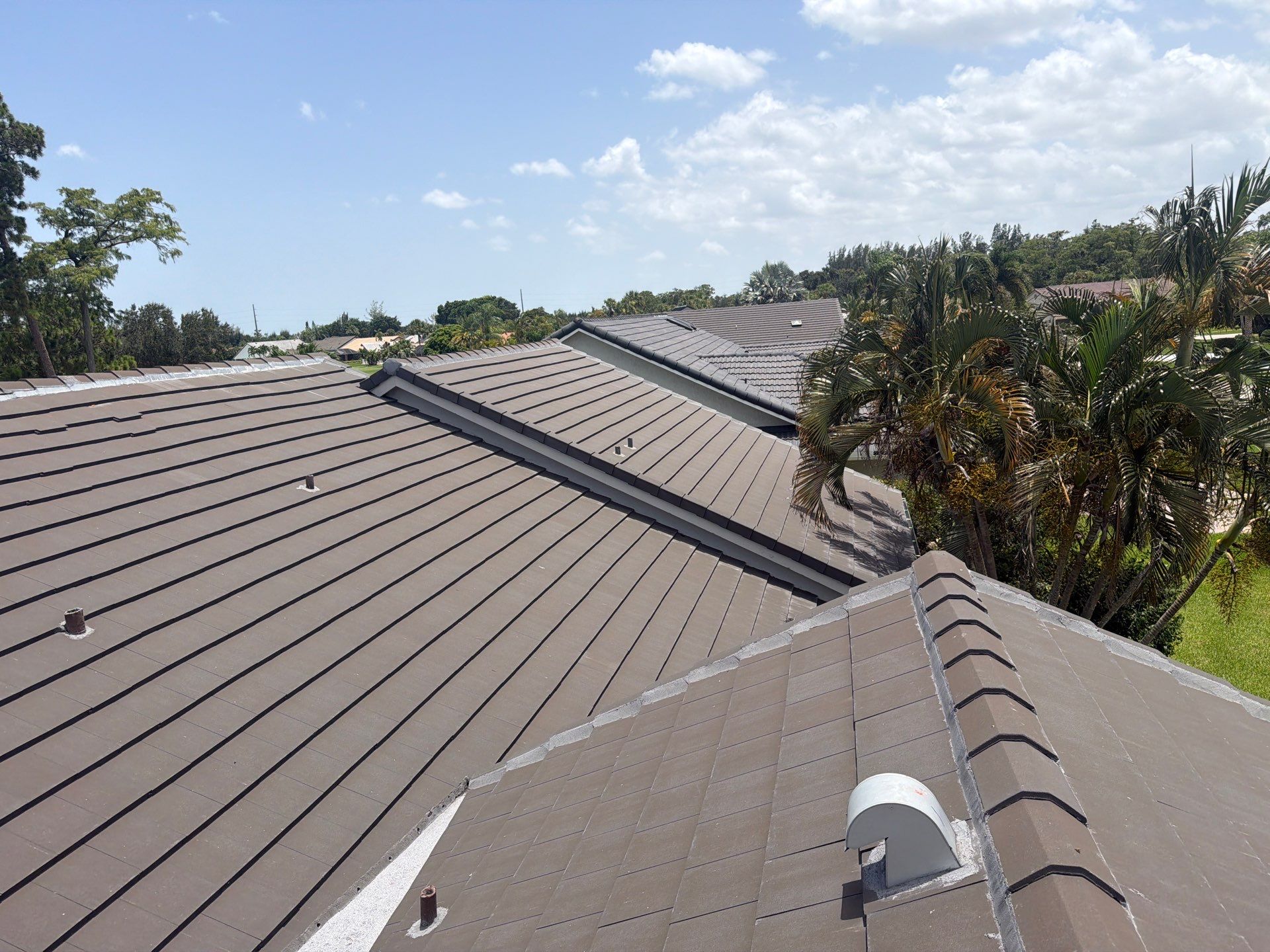
Homes with flat or low-slope roofs often have multiple penetrations – HVAC lines, plumbing vents, drainage pipes – and every single one of them needs a properly sealed boot. When one fails, you may not even notice the leak immediately because the water can travel before it shows up on your ceiling.
If you have a flat roof and a mystery leak, checking the pipe boots is always a smart first step.
How to Tell If the Pipe Boot Is the Source of Your Leak
There are a few signs that point toward a failed pipe boot specifically, rather than a damaged shingle or a flashing problem elsewhere.
The leak tends to appear soon after rain rather than developing gradually. The water stain on your ceiling is often located near or below a bathroom, laundry room, or kitchen – any room that has plumbing venting through the roof. And when a roofer gets up there, the rubber seal around the base of the vent pipe is visibly cracked, shrunken, or pulled away from the pipe itself.
Can You See It From the Ground?
Not always. You might be able to spot a badly deteriorated boot from a ladder, but the cracks that cause leaks are often subtle and only visible up close. That’s why a professional roof inspection matters here – someone needs to physically examine each penetration point, not just scan the surface from below.
What Happens If You Ignore It
A small crack in a pipe boot might not seem urgent. But water is patient, and it will keep finding its way in every time it rains.
Over weeks and months, that moisture soaks into the roof decking underneath your shingles or tiles. The wood starts to rot. Mold can develop in the attic or ceiling. What started as a simple rubber boot replacement can turn into a much larger repair involving damaged decking, insulation, and drywall – all of which cost significantly more than the original fix.
This is one of those situations where acting early genuinely saves money.
The Fix: Boot Replacement vs. Temporary Patching
When a homeowner discovers a roof leaking around a vent pipe, the tempting fix is to grab a tube of roofing sealant and fill the crack. That might slow the leak temporarily, but it rarely holds for long – especially in South Florida’s heat, which causes sealants to expand and contract.
The right fix is replacing the pipe boot entirely. A new boot – properly installed and seated against the surrounding roofing material – restores a reliable watertight seal. The job is straightforward for an experienced roofer and doesn’t require replacing your entire roof.
What a Proper Boot Replacement Looks Like
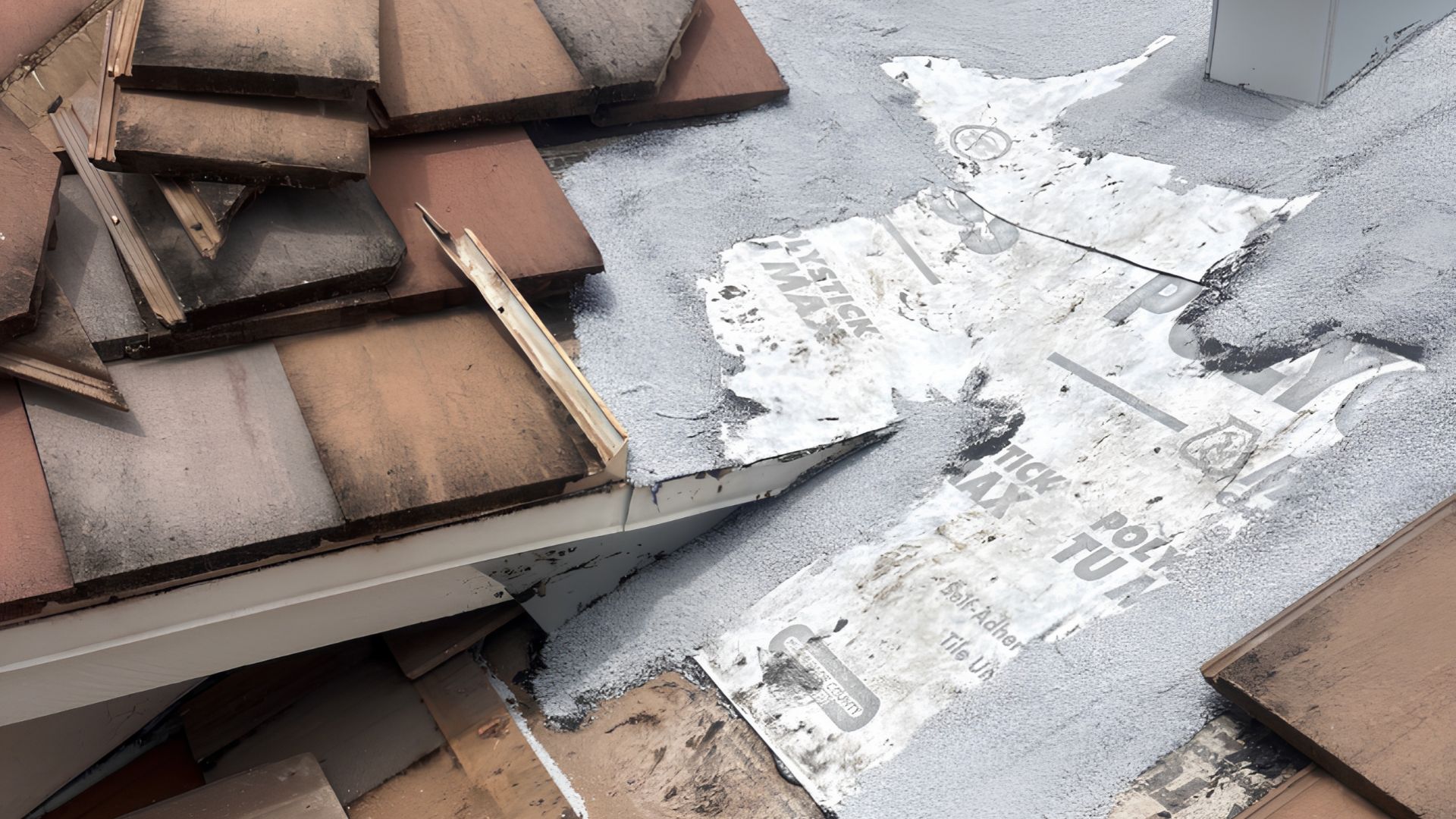
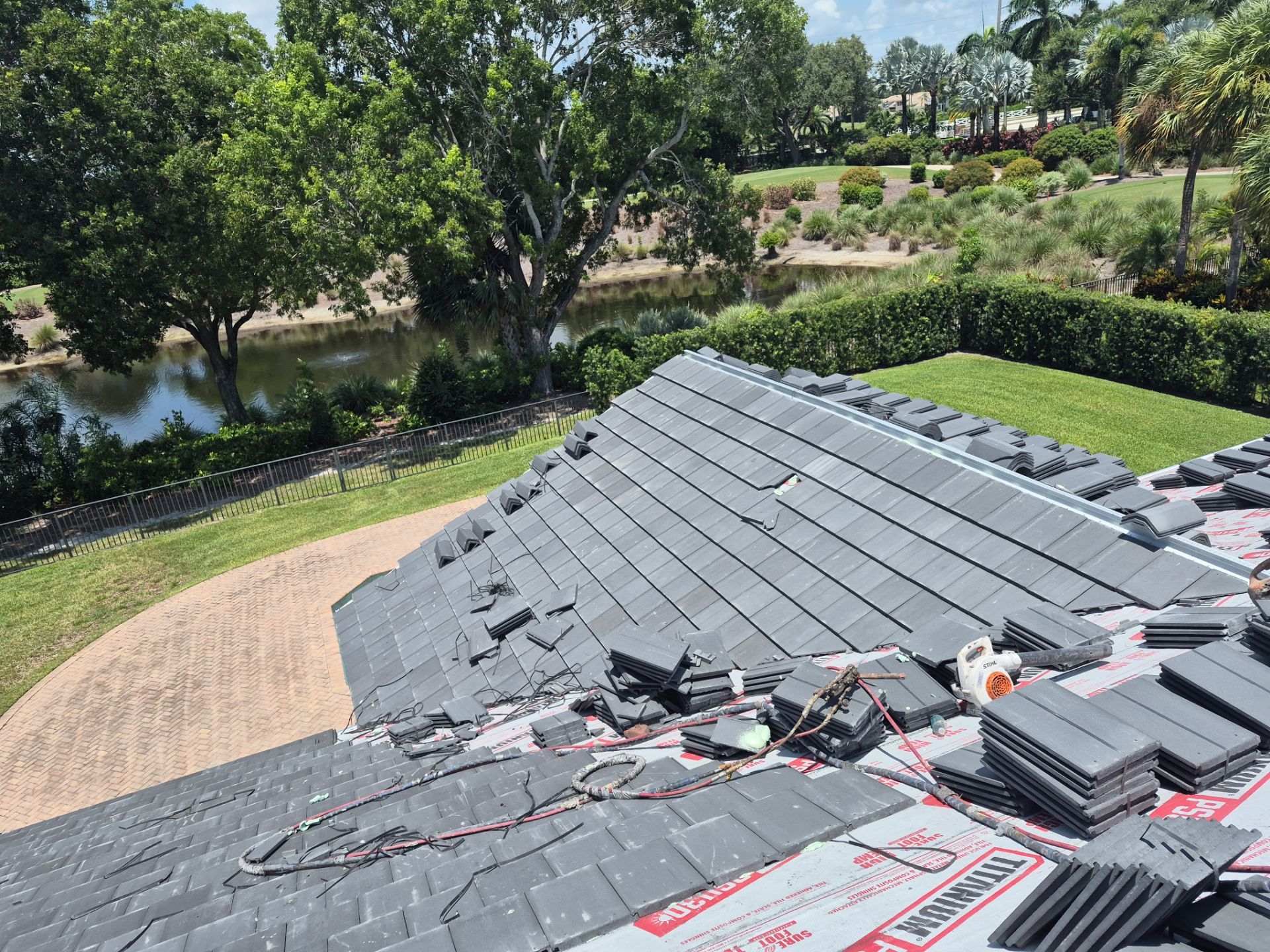
A licensed roofer will remove the surrounding shingles or tiles near the vent pipe to access the old boot. The damaged boot is removed, and a new one is fitted snugly around the pipe. The surrounding roofing material is then properly reseated and sealed.
Done correctly, a new boot should last another decade or more. Done incorrectly – or with low-quality materials – and you’re back to square one within a few years.
What Type of Pipe Boot Is Right for Your Roof?
This depends partly on the roofing material and partly on the pipe size. The most common options are:
- Rubber or neoprene boots – these are the most widely used and work well on shingle roofs, but they do degrade faster in high-UV environments
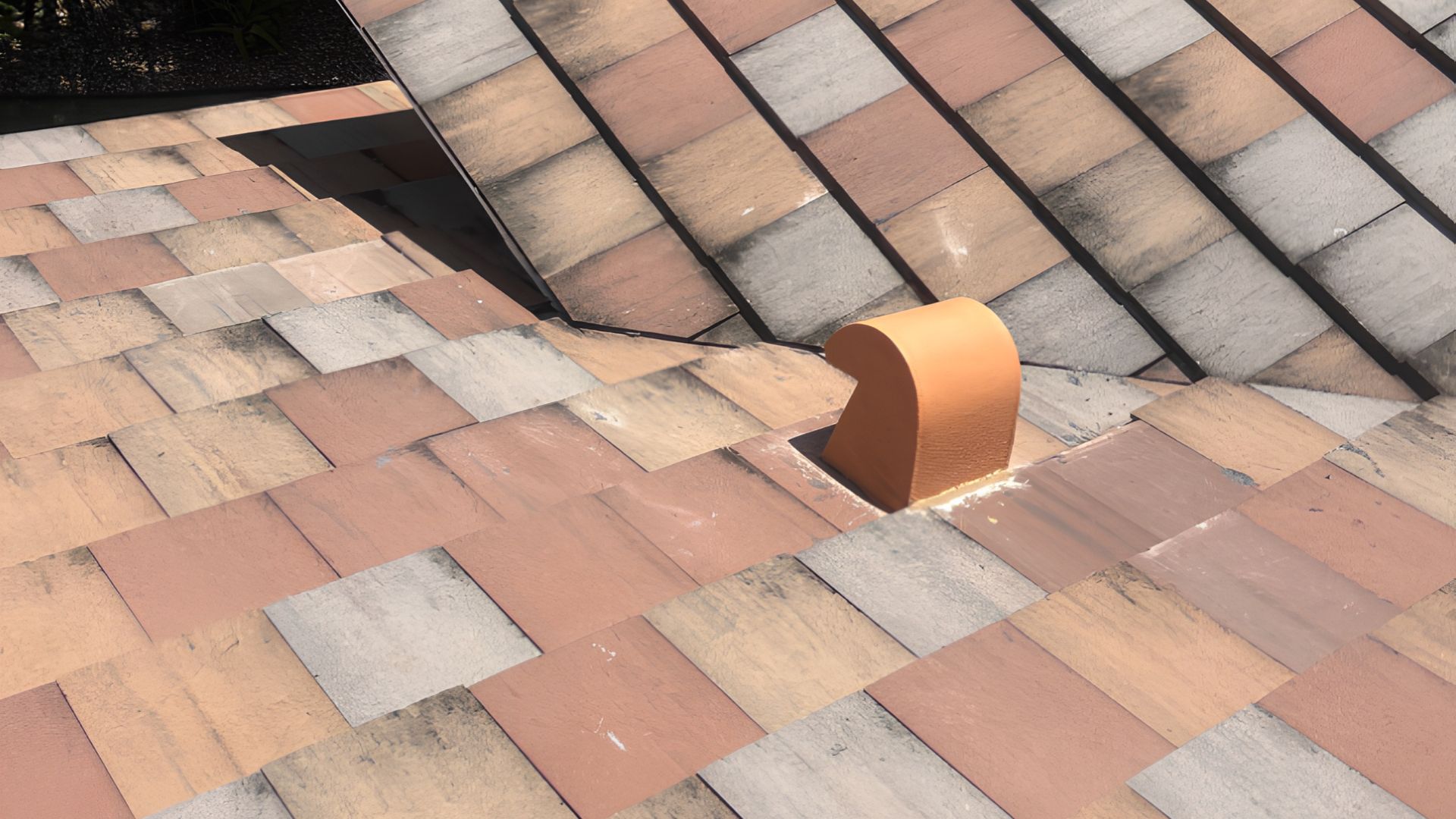
- Lead pipe boots – extremely durable and moldable around the pipe, often used on tile roofs
- Two-piece metal flashing systems – used on metal roofs and in situations where a seamless seal is especially important
At Whale Roofing and Construction, we assess each situation individually. The right boot for a tile roof in Boca Raton is not necessarily the same as what works on a shingle or metal roof – and material selection makes a real difference in how long the repair holds.
When It’s More Than Just the Boot
Sometimes what looks like a boot failure is actually part of a larger issue. If your roof is older, the decking beneath the vent area may already be compromised. Or the original boot was installed improperly and has been leaking slowly for years without being caught.
A thorough inspection doesn’t just look at the boot itself – it also evaluates the surrounding roofing material, the decking condition, and whether any water has already made its way deeper into the structure. That’s the difference between a repair that actually solves the problem and one that just delays the next call to a roofer.
What About Storm Damage to Pipe Boots?
A strong storm – especially the kind that comes through during hurricane season – can accelerate or worsen a boot that was already starting to fail. High winds can lift the flashing away from the pipe, and wind-driven rain gets into gaps that wouldn’t normally allow water through.
If you’ve had a storm recently and you’re now noticing a leak near a vent pipe, a storm damage inspection is the right place to start. Whale Roofing and Construction handles storm-related roof damage and can assess whether the issue is boot-specific or part of broader storm impact on your roof system.
How Often Should Pipe Boots Be Inspected?
In Boca Raton, once a year is a reasonable baseline – ideally before hurricane season starts. After any significant storm, it’s worth having your roof looked at even if you don’t see obvious damage, because some of the most consequential damage is subtle.
A professional roof inspection covers more than just pipe boots. It looks at flashing, ridge caps, surface wear, and any points of vulnerability that could become a problem. Catching a failing boot during a routine inspection is far better than catching it after water has already damaged your ceiling.
What to Tell Your Roofer
When you call to schedule an inspection because you suspect a boot issue, give the roofer as much information as you can. Tell them which room the stain is in, when you first noticed it, and whether it seems to get worse after heavy rain. That context helps narrow down the source quickly and makes the inspection more efficient.
Why Whale Roofing and Construction for Roof Repairs in Boca Raton
Whale Roofing and Construction is a family-owned roofing company based right here in Boca Raton. Every repair is handled by in-house employees – not subcontractors – which means the same level of craftsmanship and accountability on every job, whether it’s a full roof replacement or a single pipe boot swap.
The team works across all roofing types: shingle, tile, flat, and metal roofing. So regardless of what your home has, the repair will be done with materials and methods appropriate to your specific system.
Free inspections and estimates are available, and the team is known for being responsive – they answer calls and return messages promptly, which matters when you’re dealing with a leak and need real answers fast.
Frequently Asked Questions
How much does it cost to replace a pipe boot?
Pipe boot replacement is generally one of the more affordable roof repairs. The cost depends on the number of boots being replaced, the roofing material, and the condition of the surrounding area. Whale Roofing offers free estimates so you know exactly what you’re looking at before any work begins.
Can a cracked pipe boot cause mold?
Yes. If water is getting in consistently through a cracked boot, it can saturate the roof decking and insulation, creating conditions where mold can develop. Catching the problem early significantly reduces the risk of mold or structural damage.
How long does a pipe boot replacement take?
For a straightforward replacement on a shingle roof, it’s typically a short job – often completed within a few hours. More complex situations involving damaged decking or multiple penetrations will take longer.
Will my homeowner’s insurance cover a cracked pipe boot?
This depends on your policy and the cause of the damage. Normal wear and deterioration is typically not covered, but storm-related damage often is. A professional inspection can document the cause, which helps when filing a claim.
What’s the difference between a pipe boot and flashing?
Flashing refers broadly to the metal material used to seal joints and transitions on a roof – around chimneys, skylights, and walls. A pipe boot is a specific type of flashing designed for round pipe penetrations. Both serve the same basic function: keeping water out at vulnerable points.
What to Do About a Roof Leaking Around a Vent Pipe
A roof leaking around a vent pipe is almost never a mystery once someone gets up there and looks. In most cases, a cracked or worn pipe boot is the answer – and it’s a fixable problem when addressed early. If you’ve noticed water stains near a vent area, don’t wait it out. Contact Whale Roofing and Construction at 561-408-4433 for a free inspection, or learn more about our roof repair services to understand exactly what a proper repair involves.