

If your roof is leaking, the first question most homeowners ask is: “Will my insurance pay for this?” It’s a fair question, and the answer is more nuanced than a simple yes or no. Understanding what your homeowners insurance actually covers – and what it doesn’t – can save you thousands of dollars and a lot of frustration.
Let’s break it down in plain language so you know exactly where you stand before you pick up the phone to call your insurance company.
What Homeowners Insurance Generally Covers
Homeowners insurance is designed to protect you from sudden and accidental damage, not gradual wear and tear. That distinction matters a lot when it comes to roof leaks.
In most standard policies, your dwelling coverage will kick in if a roof leak is the direct result of a covered peril. A “covered peril” is just insurance language for a specific type of event that your policy agrees to protect you against.
Covered Perils That Typically Include Roof Damage
Most standard homeowners insurance policies cover roof damage and resulting leaks when they’re caused by events like these:
- Wind and hurricane damage – A major concern in South Florida, especially during storm season
- Hail damage – Impact from hail can crack tiles, puncture shingles, or compromise flashing
- Falling objects – A fallen tree limb or debris that punctures your roof
- Fire damage – If a fire weakens or destroys part of your roof structure
- Sudden structural collapse – The weight of ice or snow, or a sudden impact, causes the roof to fail
If a covered peril caused your roof to leak, your insurance policy should pay for the repairs – minus your deductible, of course.
What Homeowners Insurance Does NOT Cover
Here’s where a lot of homeowners get caught off guard. Insurance companies are not in the business of maintaining your home – that’s your responsibility. So if your roof leaks because it’s simply old, damaged by neglect, or worn down over time, you’re likely on your own.
Common Reasons Roof Leak Claims Get Denied
- Age and wear and tear – If your roof is 20+ years old and starts leaking, insurers often argue that the damage is the result of deterioration, not a sudden event. They may deny the claim entirely or only pay a depreciated value.
- Lack of maintenance – Missing shingles, cracked caulking around flashing, or clogged gutters that caused water backup – these are considered maintenance failures. Insurance won’t cover what you could have prevented.
- Pre-existing damage – If a roof inspector determines the damage existed before the storm or event you’re claiming, the insurer can reject your claim.
- Gradual leaks – A slow drip that’s been working its way through your roof and into your ceiling for months is not considered sudden or accidental. Insurers expect you to catch and fix these problems early.
This is why regular roof inspections matter so much. Catching small problems early keeps you out of this gray zone where claims get complicated.
Storm Damage vs. Roof Leaks: What’s the Difference?
People often assume these two things are the same, but insurance companies treat them differently depending on the cause of the leak.
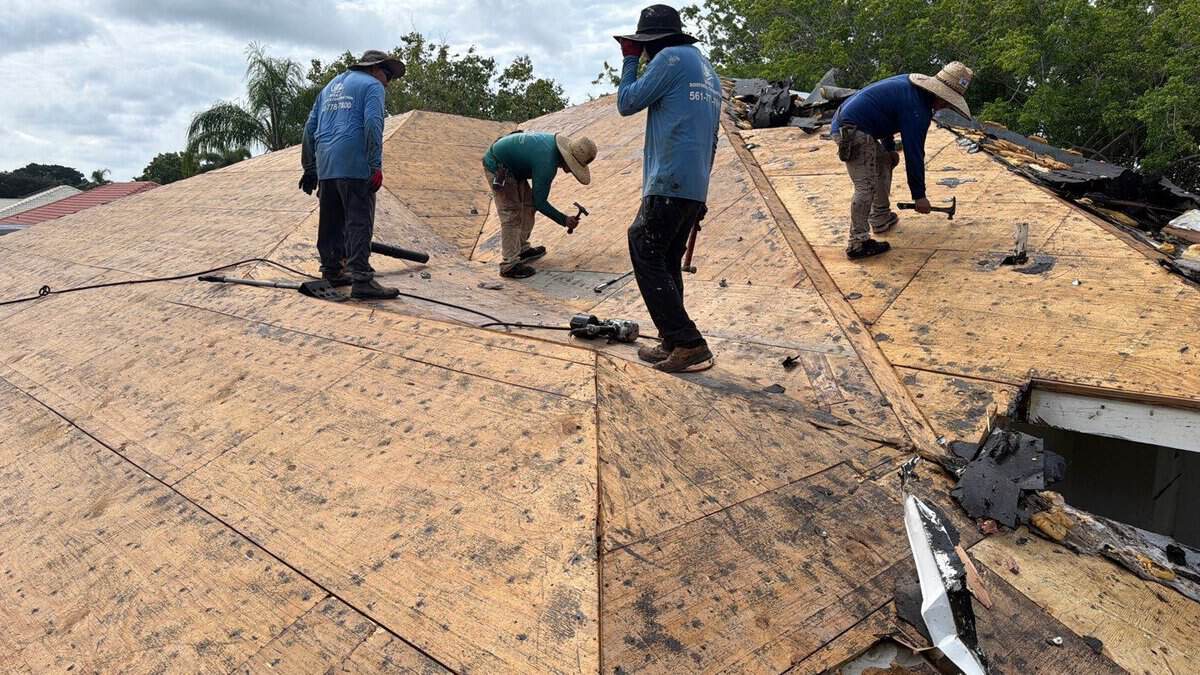
A storm-damaged roof – where high winds, a hurricane, or falling debris created a breach – is typically covered because it’s the result of a sudden, unexpected event. A roof leak from aging materials or poor maintenance is a different story entirely.
The tricky part is that some leaks have mixed causes. Maybe your roof was already weakened by age, and a storm pushed it over the edge. In those cases, the insurer may only pay a portion of the claim – or fight you on it. That’s when having solid documentation and a professional roofing assessment becomes critical.
How Florida Homeowners Insurance Policies Handle Roof Claims
Florida is a unique case. Because of the state’s hurricane exposure, many insurance carriers have added specific roof-related language to their policies that limits what they’ll pay.
Actual Cash Value vs. Replacement Cost Value
This is one of the most important things to understand about your policy.
Replacement Cost Value (RCV) policies pay to replace your damaged roof with materials of similar kind and quality, without factoring in depreciation. This is better coverage.
Actual Cash Value (ACV) policies factor in depreciation. So if your 15-year-old shingle roof is damaged, they’ll calculate what that roof is worth today – not what it costs to replace it. You could be left with a significant coverage gap.
Some Florida insurers have shifted toward ACV policies for roofs over a certain age, or they require a separate roof deductible. Read your policy carefully, or ask your insurance agent to walk you through what’s actually covered.
Wind Mitigation Inspections in Florida
Florida homeowners can often reduce their insurance premiums by getting a wind mitigation inspection. This report documents how well your home is built to resist wind damage – things like roof shape, materials, and how the roof is attached to the structure.
If you have a newer metal roof or a recently upgraded tile roof, there’s a good chance you qualify for meaningful discounts. It’s worth exploring if you haven’t done one recently.
What to Do When You Have a Roof Leak
If you discover a roof leak – especially after a storm – timing and documentation are everything. Here’s a practical approach to handling it:
Step 1: Stop the immediate damage.
Place buckets, use tarps, do what you can to limit water intrusion inside your home. This matters both for your safety and because your policy may require you to take reasonable steps to prevent further damage.
Step 2: Document everything.
Take photos and videos of the leak, the interior damage, and any visible exterior damage. Note the date and time, and if the leak followed a storm, keep records of when the storm hit.
Step 3: Call a professional roofer before you call your insurance company.
Getting a professional assessment first gives you an independent record of the damage and its likely cause. A roofing contractor can help you understand whether the damage was storm-related or maintenance-related – which directly affects how your claim will be evaluated.
Step 4: File your claim promptly.
Most policies have deadlines for reporting storm damage. In Florida, you generally need to file within a reasonable time after the damage occurs. Don’t wait.
Step 5: Work with your adjuster, but know your rights.
You have the right to dispute a claim decision. If you believe your damage is covered and the insurer disagrees, you can hire a public adjuster or consult with a roofing contractor who has experience documenting storm damage claims.
Why Working With a Local Roofer Matters for Insurance Claims
This is where local expertise makes a real difference. A roofer who understands South Florida’s climate – the intense sun, hurricane-force storms, and afternoon downpours that are just part of life in Boca Raton – knows exactly what storm damage looks like versus normal aging.
Whale Roofing & Construction has worked with countless homeowners navigating this exact process. The team provides honest assessments that clearly identify the cause of the damage, which helps support your insurance claim with accurate, professional documentation. Because all work is done by in-house employees rather than subcontractors, the quality and accountability are consistent from inspection through repair.
If you’re dealing with roof damage following a storm, the storm damage roofing page is a good place to start understanding your options and what the repair process looks like.
Does the Type of Roof Affect Your Insurance Coverage?
Surprisingly, yes. The material and condition of your roof can influence both your coverage options and your premium.
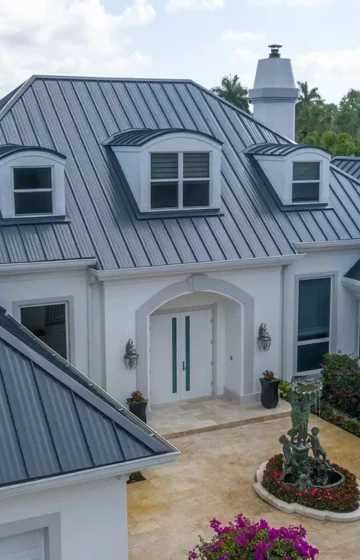
- Metal roofs tend to be favored by insurance companies because they’re highly resistant to wind, impact, and fire. Some insurers offer discounts for metal roofs, and they hold up significantly better in Florida’s storm conditions.
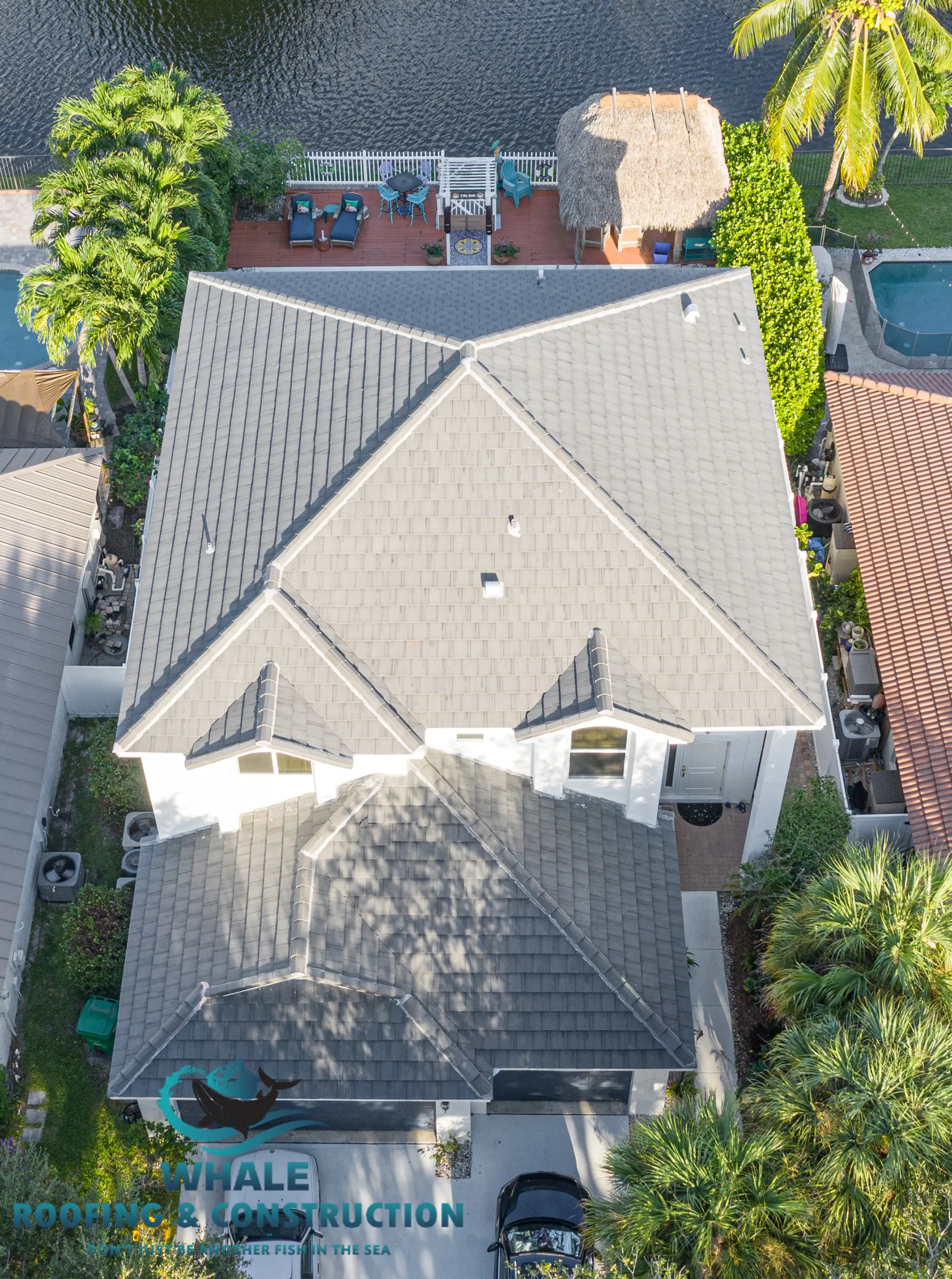
- Tile roofs are durable but can crack under direct impact from hail or debris. They’re generally well-regarded, though individual broken tiles need to be addressed promptly to prevent water intrusion.
- Shingle roofs are common and affordable, but their lifespan and condition at the time of a claim can affect how much the insurer is willing to pay, especially under ACV policies.
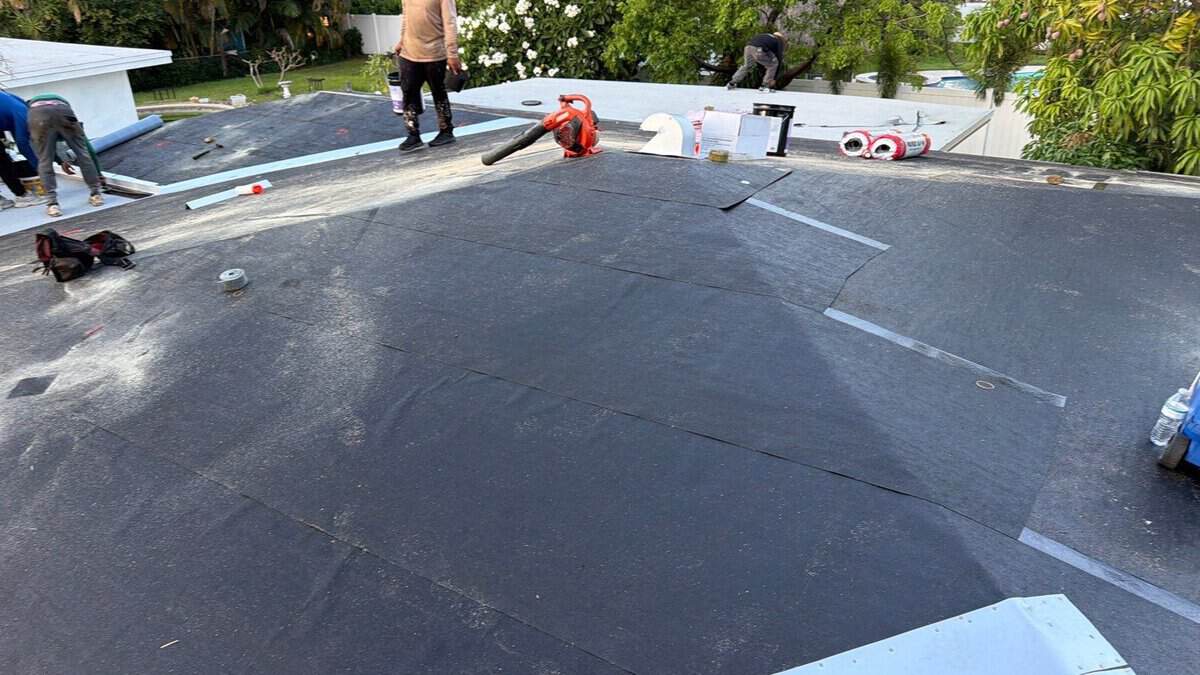
- Flat roofs – common on certain home styles – have different drainage requirements and vulnerabilities. Proper maintenance is especially important to keep them insurable.
If you’re thinking about upgrading your roof to improve both protection and insurability, exploring options like metal roofing or tile roofing could be a smart long-term investment.
How to Reduce the Chances of a Denied Roof Claim
You can’t control the weather, but you can control how well-documented and well-maintained your roof is. That puts you in a much stronger position when you need to file a claim.
Getting a professional roof inspection at least once a year – and after any major storm – is one of the most proactive things you can do. Whale Roofing & Construction offers free inspections and estimates, which means there’s no reason to wait until a leak becomes an emergency.
Keeping records of any repairs, inspections, and maintenance over the years also helps establish that you’ve been a responsible homeowner. Insurers are far less likely to attribute damage to neglect when you can show a history of proper upkeep.
Frequently Asked Questions
Will homeowners insurance cover a roof leak if the roof is old?
Not always. If your roof is near the end of its expected lifespan, insurers may argue that the leak is the result of wear and tear rather than a covered event. An ACV policy will also pay less for an older roof due to depreciation. This is a common and frustrating situation for homeowners.
What if the insurance adjuster says my damage isn’t covered?
You have options. You can request a re-inspection, hire a public adjuster, or get an independent assessment from a licensed roofing contractor. Having professional documentation that clearly identifies storm damage can make a significant difference in the outcome.
Does homeowners insurance cover water damage inside the home from a roof leak?
If the roof leak itself is covered, then yes – the resulting interior water damage is typically covered as well. However, if the leak was due to neglect and the claim is denied, the interior damage likely won’t be covered either.
How soon do I need to file a roof damage claim?
Florida law allows up to three years to file a claim for hurricane damage, but it’s always better to file as soon as possible. Waiting too long can complicate the process and give insurers more room to question whether the damage was truly caused by the storm you’re claiming.
Can a roofer help with the insurance claim process?
Yes. While a roofer can’t act as your legal representative or public adjuster, they can provide a detailed written assessment of the damage, its likely cause, and the cost to repair it. This documentation is often essential when working with your insurer to get a fair settlement.
What to Know Before Filing a Roof Leak Claim
Homeowners insurance can cover roof leaks, but only when the cause meets the definition of a covered peril under your specific policy. Storm damage typically qualifies – neglect and age typically don’t. Knowing the difference, documenting damage quickly, and working with an experienced local roofer puts you in the strongest possible position when a claim matters most. If your roof has been through a storm or you’re unsure of its current condition, reach out to Whale Roofing & Construction for a free inspection before a small problem becomes a costly one. Start with the storm damage roofing page to learn more.