

If you have ever called around for a roof inspection and gotten wildly different quotes, you are not alone. One contractor says it is free. Another quotes you $150. A third wants $400 before they even get on the ladder. What gives?
The truth is that roof inspection cost is not one-size-fits-all. Several real factors push that number up, and understanding them helps you avoid surprises and make smarter decisions for your home.
Why Roof Inspection Costs Vary So Much
At its core, a roof inspection is a professional assessment of your roof’s condition. But the scope of that assessment can vary dramatically depending on your roof’s size, age, material, accessibility, and the type of inspection being performed.
Some inspections are quick visual walkthroughs. Others involve thermal imaging equipment, drone technology, and detailed written reports. The more thorough the inspection, the more it typically costs – and sometimes, that extra cost is absolutely worth it.
Here is a closer look at what actually drives the price up.
Roof Size and Complexity
This one is straightforward. A larger roof takes more time to inspect, which means more labor hours and a higher fee. A small single-story home is a much faster job than a sprawling two-story with multiple roof sections.
Complexity matters just as much as square footage. A simple gable roof is easy to walk and assess. But a roof with multiple valleys, dormers, hips, skylights, and chimneys creates more entry points for leaks and more surface area that needs careful attention.
What “Complex” Means in Practice
Inspectors spend more time around transitions, flashings, and penetrations because those are the spots most likely to fail. The more of those details your roof has, the longer the inspection takes – and the higher your cost.
Roof Material and Age
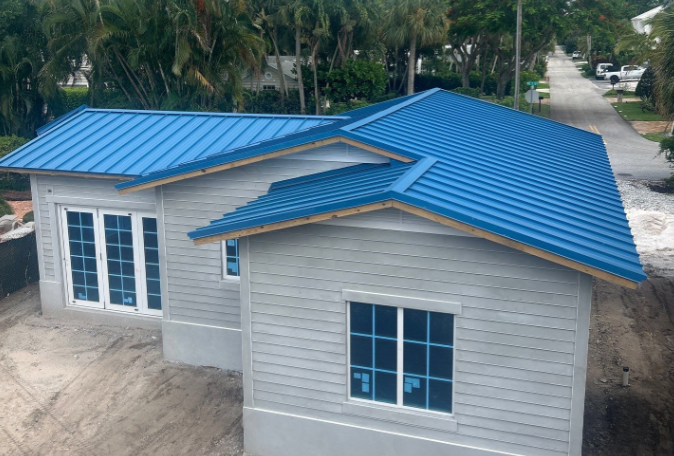
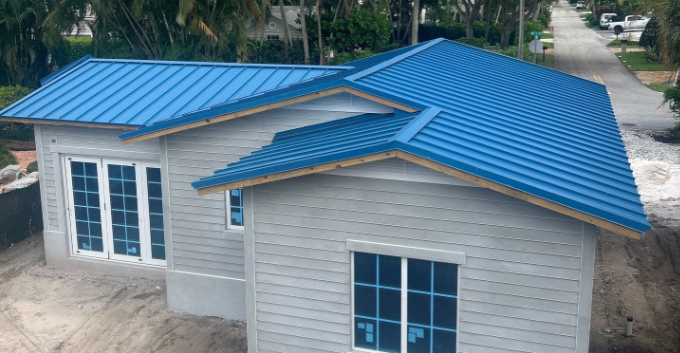
Not all roofing materials are inspected the same way. A standard asphalt shingle roof is relatively straightforward to assess. Tile roofing requires more careful movement across the surface to avoid cracking individual tiles. Metal roofing calls for attention to seam integrity, fastener corrosion, and panel gaps.
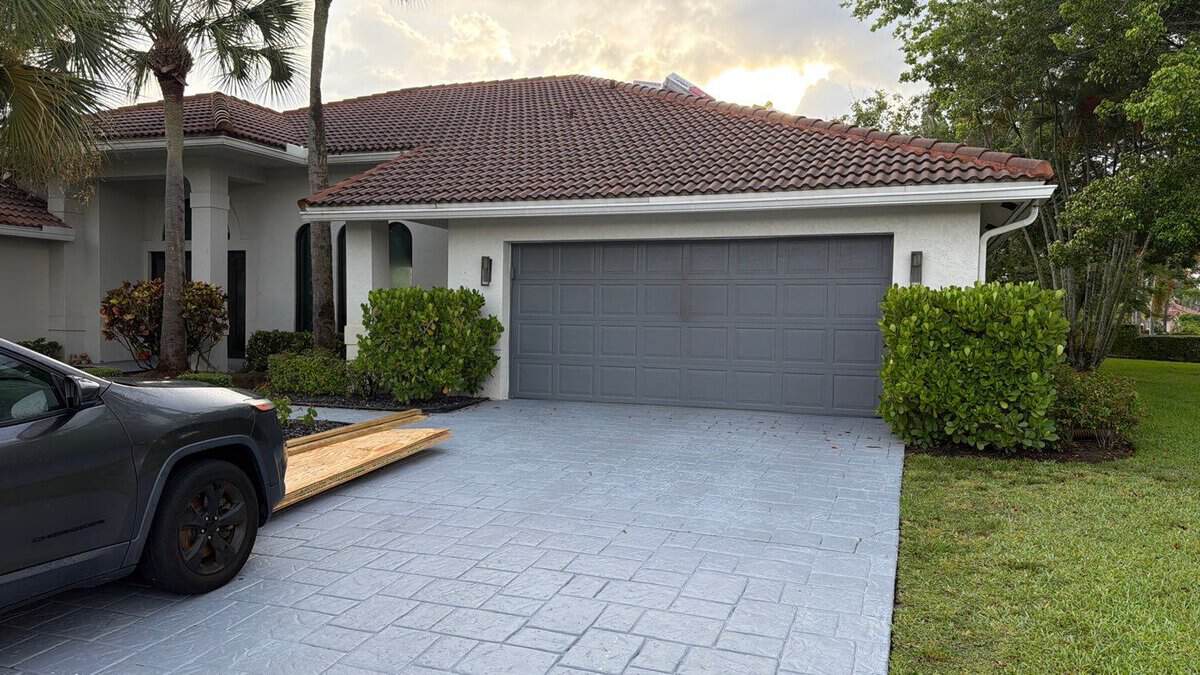
Older roofs also take longer to inspect because inspectors need to look more carefully. A 20-year-old tile roof in Boca Raton has endured years of intense UV exposure, heavy rain, and hurricane-season stress. There is simply more to evaluate.
Type of Inspection Being Performed
This is one of the biggest cost drivers that homeowners often do not think about until the quote arrives. There are several distinct types of roof inspections, and each comes with a different price tag.
- Visual Inspection – A licensed inspector or roofer walks the roof and assesses what they can see with the naked eye. This is the most common type and the least expensive. It catches obvious issues like missing shingles, damaged flashing, and visible deterioration.
- Drone Inspection – A drone captures aerial footage and high-resolution images of the entire roof. This is useful for steep-pitch roofs or large commercial-style residential properties where walking is difficult or risky. The cost of the equipment is reflected in the price.
- Infrared or Thermal Inspection – A thermal imaging camera detects moisture trapped beneath the roofing surface that a visual inspection would miss entirely. This is a more specialized service, and it costs noticeably more. However, for older roofs or homes with suspected hidden leaks, it can save thousands in missed damage.
- Insurance or Pre-Sale Inspection – When an inspection is tied to a specific purpose – like a homeowner’s insurance policy renewal or a real estate transaction – it often requires more detailed documentation and a formal written report. That additional deliverable adds to the cost.
Accessibility and Roof Pitch
If your roof is steep, getting on it safely requires more preparation and time. Inspectors may need additional safety equipment or may need to rely more heavily on drone footage and ground-level observation.
Flat roofs and low-slope roofs are generally faster to walk and assess, which can bring inspection costs down. But even flat roofs have their own complications, particularly when it comes to drainage systems, membrane integrity, and ponding water – all of which require trained eyes to evaluate properly.
Storm Damage Inspections After Major Weather Events
Here in Boca Raton, storm season is not a hypothetical. When a major storm passes through, the demand for roof inspections spikes sharply. Inspectors are in high demand, schedules fill quickly, and some companies charge more during peak post-storm periods simply because the workload is intense.
A storm damage inspection is also more detailed than a routine maintenance check. The inspector is looking for wind uplift damage, missing or displaced materials, impact damage from debris, and compromised flashings – all documented in a way that supports an insurance claim. That level of detail takes time, and time costs money.
If your roof took a hit after a storm, getting a professional assessment quickly is important. Delays can make it harder to connect damage to the specific storm event, which complicates your insurance claim. You can learn more about what to expect by reading about storm damage roofing services and what a proper inspection covers.
Contractor Experience and Credentials
A licensed, insured roofing professional costs more than someone without credentials – and for good reason. In Florida, roofing contractors are required to hold the appropriate licenses and carry insurance. A legitimate inspector backs their findings with professional accountability.
When you hire someone without proper credentials, you are not really saving money. You are taking on risk. An incomplete or inaccurate inspection can lead you to miss serious damage or, worse, give you a false sense of security about a roof that actually needs significant work.
Whale Roofing and Construction employs in-house professionals – no subcontractors – which means every inspection is performed by someone the company directly vouches for.
Do You Need a Report or Just a Verbal Assessment?
Some homeowners just want a quick answer: is my roof okay or not? A verbal assessment from a roofer who climbs up and takes a look can sometimes be done at low or no cost, especially when it is paired with an estimate for potential work.
But if you need a formal written report – for an insurance company, a real estate transaction, or documentation purposes – expect to pay more. That report requires the inspector to organize their findings, photograph evidence, and produce a document that holds up to professional scrutiny.
Whale Roofing and Construction offers free inspections and estimates for homeowners in Boca Raton. If you are just trying to understand the condition of your roof before making any decisions, that is a smart place to start without any financial pressure.
What Happens If You Skip the Inspection Altogether
Some homeowners delay inspections to avoid the cost. This is understandable, but it tends to backfire. Small problems – a cracked tile here, a lifted shingle there, a hairline gap in flashing – do not stay small. Water finds those entry points, gets into the underlayment and decking, and turns a $300 repair into a $3,000 one.
In South Florida especially, where summer storms are regular occurrences, a roof that is not in good condition going into hurricane season is a significant liability. An inspection is not a luxury. It is a diagnostic tool that protects your investment.
When Inspection Costs Are Rolled Into Repair Estimates
Many reputable roofing companies will apply the inspection fee toward any repair or replacement work you choose to proceed with. This is worth asking about upfront when you call. It reduces the financial friction of getting eyes on your roof and ensures you are not paying double once the real work begins.
If your roof needs shingle repairs, tile replacement, or patching on a flat membrane, a good contractor will factor the inspection findings directly into the scope of work. Transparency here is a sign of a trustworthy company.
Tips for Keeping Your Inspection Cost Reasonable
You cannot always control every factor that affects the price, but you can take a few steps to avoid unnecessary added costs.
- Schedule your inspection before storm season hits, not after, to avoid peak demand pricing.
- Know what type of inspection you actually need before you call – a basic visual is often enough for routine maintenance checks.
- Ask whether the inspection fee applies toward any subsequent repairs.
- Make sure the contractor is licensed and insured in Florida before committing.
- Get the inspection done during daylight hours with dry weather for the most accurate results.
Being informed going into the process helps you have a productive conversation with your contractor rather than feeling like you are flying blind.
How Roof Material Affects Long-Term Inspection Needs
Your roof material does not just affect the cost of one inspection – it affects how often you need inspections and what those inspections look for over time.
Metal roofing, for example, is known for its durability and longevity. A well-installed metal roof may need fewer reactive inspections over its lifespan because it holds up better against Florida’s weather extremes. Asphalt shingles, while more affordable upfront, tend to show wear faster in high-UV environments and may need more frequent attention.
Tile roofing sits somewhere in the middle. It is durable, but individual tiles can crack under impact or heavy foot traffic during previous repairs. Each material type has its own inspection profile, and understanding yours helps you plan and budget accordingly.
Frequently Asked Questions
How much does a roof inspection typically cost?
Basic visual inspections can be free when offered by a reputable roofing company, or they may cost around $150 to $300 for a professional assessment. Specialized inspections using thermal imaging or drones can run $300 to $600 or more depending on the scope.
Are free roof inspections legitimate?
Yes, when offered by a licensed and insured roofing contractor, a free inspection is a standard part of how reputable companies build relationships with homeowners. The key is to ensure the company is properly credentialed and not using the inspection as a pressure sales tactic.
How often should I have my roof inspected in Boca Raton?
Most roofing professionals recommend an annual inspection, with an additional check after any major storm event. Given the weather conditions in South Florida, staying proactive is far cheaper than reacting to damage after it has spread.
What should a roof inspection include?
A thorough inspection should cover the condition of your roofing material, flashings around chimneys and vents, gutters and drainage systems, the roof deck where visible, and any areas showing signs of moisture intrusion or structural concern.
Will my homeowner’s insurance cover a roof inspection?
Generally, no. Homeowner’s insurance covers damage, not routine maintenance. However, if the inspection is tied to a storm damage claim, the costs associated with documenting that damage may be handled differently. Always check with your insurance provider.
How to Keep Your Roof Inspection Cost Under Control
Roof inspection cost goes up when your roof is large, complex, old, or needs a specialized assessment – and it goes up even more after a major storm when demand spikes. The good news is that understanding these factors puts you in control. If your roof is due for a look, do not wait until there is a visible problem. Reach out to Whale Roofing and Construction for a free inspection, or explore our roof repair services to see how we help Boca Raton homeowners stay ahead of damage.