

That brownish ring spreading across your ceiling is not just an eyesore. It is your home trying to tell you something important, and ignoring it could cost you far more than a simple repair down the road.
For homeowners in Boca Raton, FL, where intense sun, sudden downpours, and hurricane-season storms are a way of life, the signs you need a new roof can show up faster than you might expect. Knowing what to look for could save your property, your wallet, and your peace of mind.
What That Ceiling Stain Is Actually Telling You
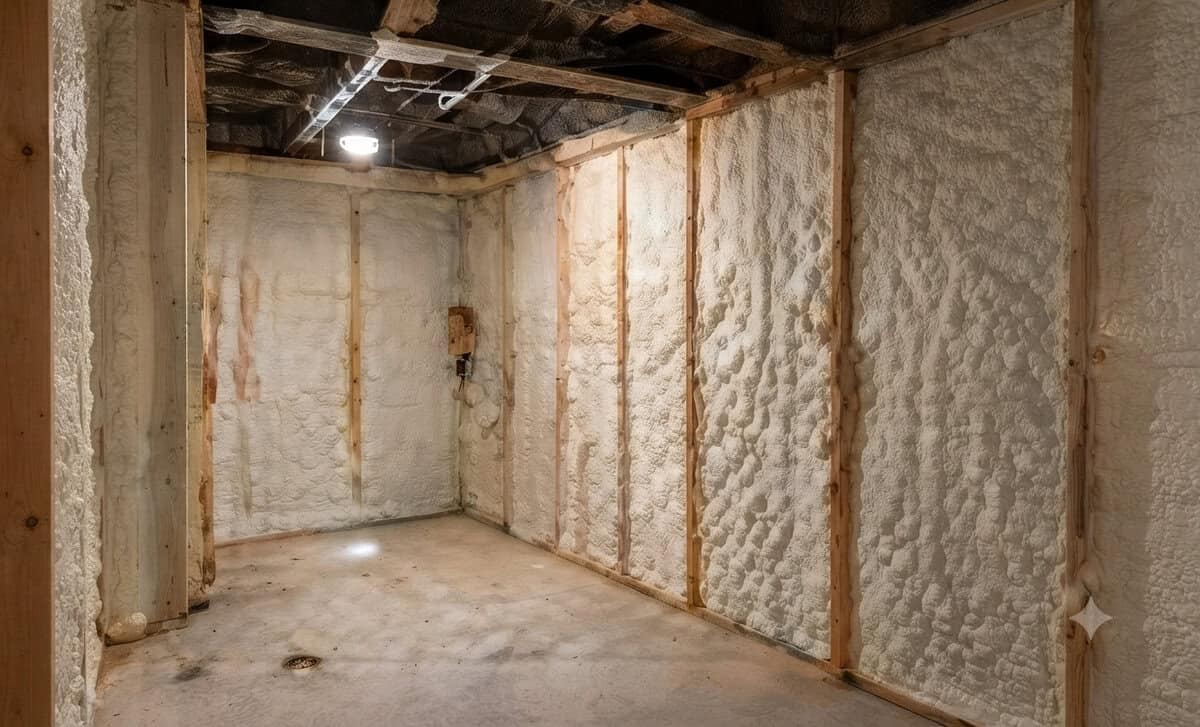
A ceiling stain is almost always the result of water damage working its way through your roof system. By the time moisture reaches your ceiling, it has already traveled through your roof deck, past your building insulation, and possibly through your attic. That journey takes time, which means the damage is likely worse than what you can see.
Water that lingers in your attic creates the perfect conditions for mold growth. Mold spreads quickly in South Florida’s humid climate, and once it takes hold in your insulation or wood framing, the remediation cost climbs fast. A stain today can become a structural problem tomorrow.
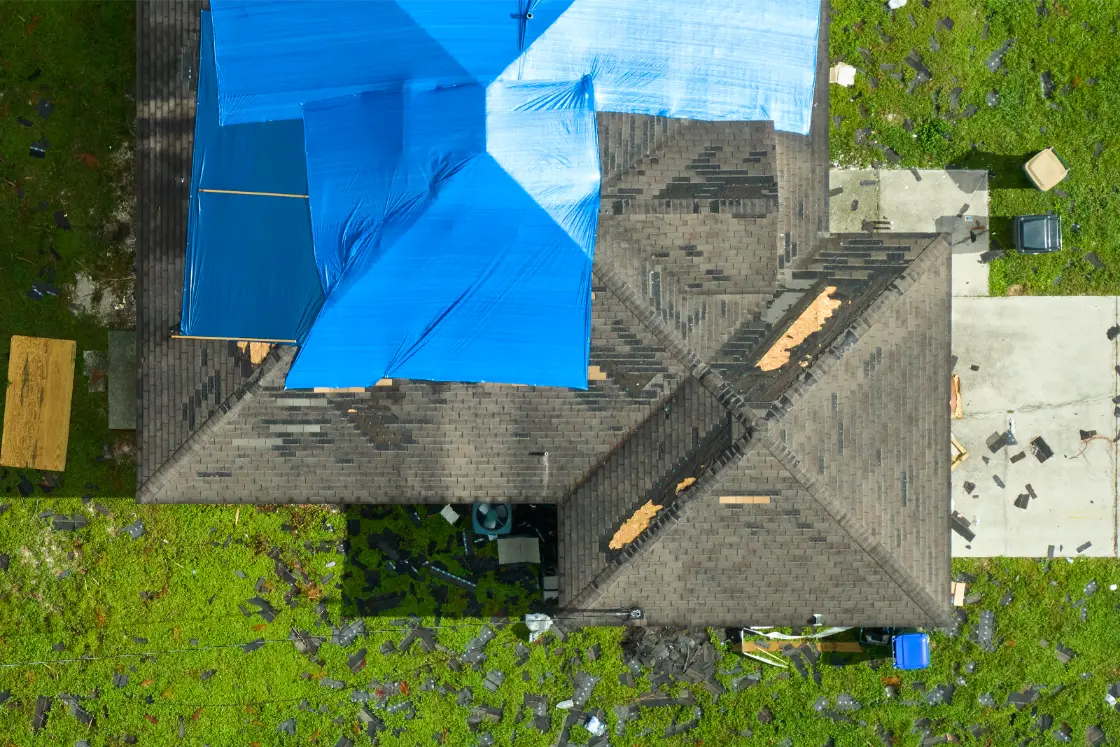
The Most Common Signs You Need a New Roof
Not every warning sign is as obvious as a ceiling stain. Some of the most serious issues start small and stay hidden until a roofer does a proper inspection.
Your Shingles Are Telling a Story
Curling, cracking, or missing asphalt shingles are a clear signal that your roof is aging out. Asphalt shingles degrade over time, especially under the relentless South Florida sun and heat. When shingles lose their granules, they lose their ability to protect your home from rain and UV exposure.
If you notice granules collecting in your rain gutter, that is a sign your asphalt shingle system is breaking down. A roof in that condition is not just an aesthetic issue – it is a risk to your home insurance coverage and your long-term investment in the property.
Sagging, Moss, and Other Exterior Red Flags
Moss growing on your roof is not just unattractive. It holds moisture against your shingles or roof tiles, accelerating deterioration. In a climate like Boca Raton’s, where humidity is constant, moss and algae can take over quickly if maintenance is neglected.
A sagging roofline points to something more serious – possible damage to the roof deck or the structural components beneath it. This is not a repair situation. This is a replacement conversation.
What Is Happening in Your Attic
Your attic is one of the most revealing places to look for early warning signs. If daylight is visible through the roof boards, or if you notice dampness, staining, or poor ventilation up there, your roof system is compromised.
Proper attic ventilation is critical for energy efficiency. When your attic ventilation fails, your heating, ventilation, and air conditioning system works harder to compensate. That means higher energy bills and more wear on your HVAC equipment – all because of a roof problem that was left unchecked.
Damaged Flashing and Leaks Around Roof Penetrations
Flashing is the metal trim that seals the joints around chimneys, skylights, vents, and walls. When it rusts, lifts, or pulls away, water slips in at the seams. Leaks around these spots are common in older roofs, and they often show up first as stains near a skylight or along an interior wall.
Resealing flashing can buy time on a newer roof. On a roof that is already 15 or 20 years old, repeated flashing leaks usually mean the surrounding materials are wearing out too, which is one of the quieter signs you need a new roof.
Your Energy Bills Keep Climbing
A worn roof lets more heat into the attic. Damaged underlayment, gaps in the decking, and failing ventilation all make your air conditioner run longer during Boca Raton’s long cooling season. If your power bills keep rising and your HVAC system checks out fine, the roof may be the reason.
A new roof with reflective materials and balanced ventilation can lower attic temperatures. Many homeowners notice the difference in the first summer after a roof replacement.
You Keep Paying for Repairs
One repair after a storm is normal. Three or four repairs in a few years tells a different story. When patches keep failing, you are spending money on a roof system that has reached the end of its useful life.
Add up what you have spent on repairs over the past five years. If that number is climbing toward a meaningful share of a full replacement, putting that money toward a new roof is usually the better long-term choice.
How Long Should a Roof Last in Boca Raton?
The answer depends heavily on the roofing material.
- Asphalt shingles typically last 20 to 25 years under normal conditions, though South Florida’s heat and storm exposure can shorten that lifespan.
- Metal roofing is built for longevity, often lasting 40 to 70 years with minimal maintenance. Metal roof systems also reflect heat effectively, contributing to efficient energy use inside the home.
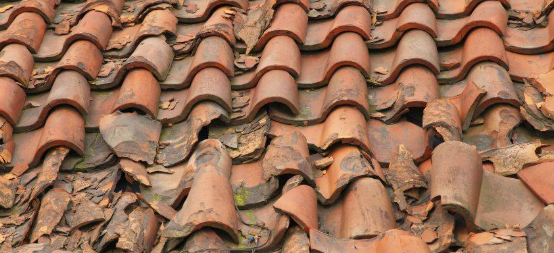
- Tile roofing – whether clay or concrete – is extremely durable and well-suited to Florida’s climate. Clay tile in particular stands up to high temperatures and wind without compromising performance.
- Flat roofing systems using bitumen are common in South Florida and require regular inspection to catch ponding water or membrane damage before it becomes a costly leak.
If your roof is approaching the end of its expected lifespan, a proactive replacement is almost always cheaper than emergency repairs after storm damage.
A Quick Checklist: 9 Signs You Need a New Roof
Use this list when you walk around your property or review photos from a recent inspection. One item on its own may only call for a repair. Several items together are a strong signal that roof replacement belongs on your calendar.
- Water stains on ceilings or walls that return after repairs
- Curling, cracked, or missing shingles, or cracked and slipped roof tiles
- Heavy granule buildup in your gutters or at the bottom of downspouts
- A sagging roofline or soft spots in the roof deck
- Daylight, dampness, or mold in the attic
- Rusted, lifted, or missing flashing around chimneys, vents, and skylights
- Energy bills that keep rising without another clear cause
- Repairs that keep failing or keep stacking up
- A roof that is near or past its expected lifespan for its material
If you checked three or more, schedule a professional inspection. A roofer can confirm what you are seeing and tell you whether a repair will hold or a new roof is the smarter move.
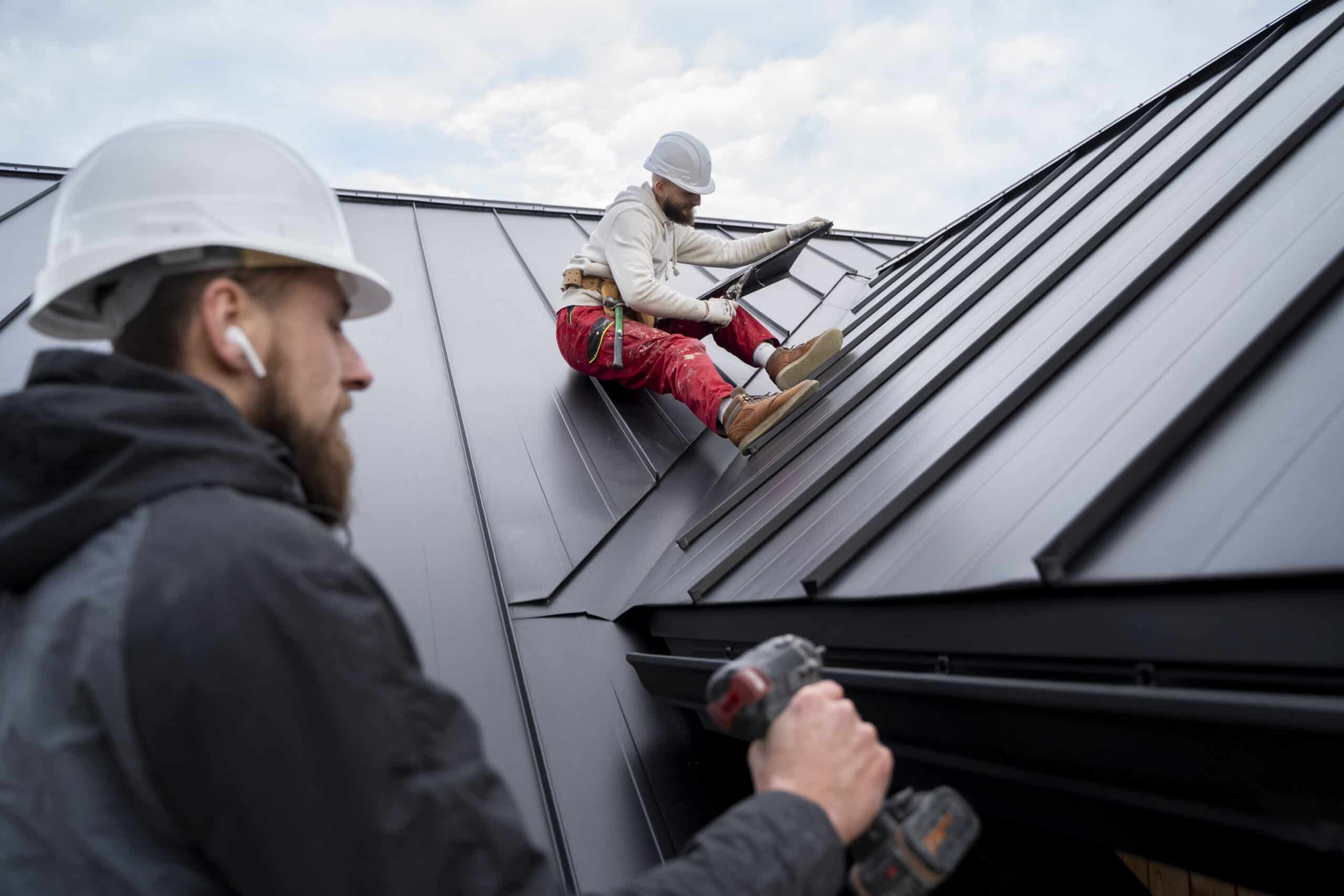
What Happens If You Wait Too Long
Delaying a roof replacement is one of the most expensive decisions a homeowner can make. A minor leak ignored for one season can damage your attic insulation, wood shingles or decking, ceiling materials, and interior walls – all of which add to the total repair cost exponentially.
There are also home insurance implications to consider. Some insurers will deny a claim if an inspection reveals that pre-existing damage was left unaddressed. That means you could be facing full out-of-pocket costs for damages that could have been covered had you acted earlier.
An evaluation by a qualified roofer is the fastest way to understand exactly where you stand. It removes the guesswork and gives you real information to make a smart decision about your investment.
Roof Repair or Roof Replacement? How Florida Rules Affect the Decision
Florida has specific rules that shape the repair versus replacement question. Under the Florida Building Code, when more than 25 percent of a roof section is repaired or replaced within a 12-month period, that section has generally needed to be brought up to current code. A 2022 change to state law created an exception for roofs that were already built to the 2007 Florida Building Code or later. You can find current code resources through the Florida Building Commission.
Insurance is the other half of the decision. Florida law limits insurers from refusing coverage based only on roof age for roofs under 15 years old, and older roofs may need an inspection report to stay insured. The Florida Office of Insurance Regulation publishes consumer guidance on these rules.
In practice, an older roof with widespread wear usually points toward a roof replacement. A newer roof with isolated damage is often a good candidate for repair. A local roofer who works with Florida code every day can walk you through which side of that line your home falls on.

What to Expect During a Roof Inspection
A thorough inspection looks at the roof from three angles. The roofer checks the exterior surface for damaged shingles or tiles, loose flashing, and drainage problems. They also check the attic for moisture, daylight, and ventilation issues. Finally, they review the roof’s age, material, and repair history.
You should receive photos and a clear explanation of what was found. A good inspection report separates urgent problems from items that can wait, so you can plan your budget. If the roofer recommends a new roof, ask them to show you the specific signs that led to that recommendation.
Why South Florida Homes Need More Than a Standard Roof
A roof in Boca Raton is not the same as a roof built for a mild climate. It needs to handle hurricane-force winds, extreme temperature swings, salt air near the coast, and heavy seasonal rain – often all in the same week.
That is why the materials and installation methods matter so much. High-quality roofing materials are designed to deliver lasting performance and visual appeal. But even the best materials can fail if they are not installed correctly.
Frequently Asked Questions
How do I know if I need a new roof or just a repair?
Look at the roof’s age and how widespread the damage is. A newer roof with one damaged area can usually be repaired. An older roof with problems in several areas, or one that keeps leaking after repairs, usually needs to be replaced.
Will insurance pay for a new roof?
Insurance typically covers sudden damage from a covered event, such as a hurricane or a falling tree. It usually does not cover wear and tear from age. Documenting damage quickly after a storm gives you the best chance of a successful claim.
How long does a roof replacement take?
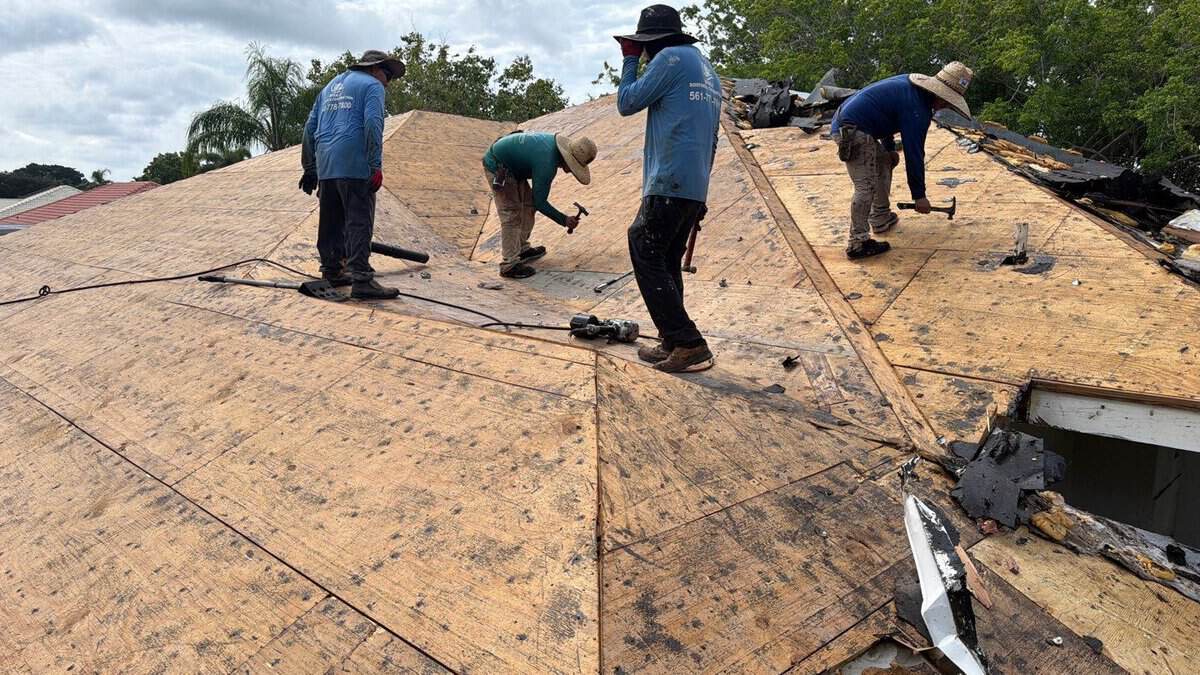
Most residential roof replacements in Boca Raton take a few days once materials arrive and permits are approved. Tile and metal roofs can take longer than shingles. Weather and inspection schedules can also affect the timeline.
Can I wait until after hurricane season to replace my roof?
If your roof shows active leaks or structural signs like sagging, waiting is risky. A storm can turn a worn roof into major interior damage. If the signs are minor, an inspection can help you decide whether a short-term repair will carry you safely through the season.
How often should I have my roof inspected in South Florida?
Most roofers recommend an inspection at least once a year and again after any major storm. Homes with older roofs, heavy tree cover, or past leak problems benefit from a check every spring before hurricane season starts. Regular inspections catch small problems early, keep a record of your roof’s condition for insurance purposes, and help you plan a roof replacement on your schedule instead of after an emergency. If you are buying or selling a home, an inspection report also gives both sides a clear picture of the roof’s remaining life.
Know When It’s Time for a New Roof
A ceiling stain is never just cosmetic. It is a warning that your roof – your home’s first line of defense – may be failing. If you are seeing the signs described here, now is the time to act before a manageable repair becomes a full-scale emergency. Whale Roofing and Construction offers free inspections and honest guidance for Boca Raton homeowners who want real answers. To get started, learn more about our roof repair services and schedule your free inspection today.