

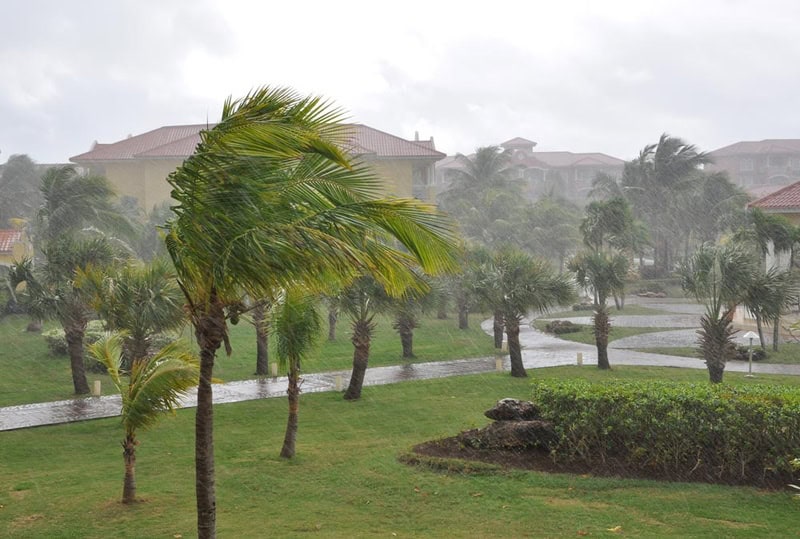
Living in South Florida means preparing for tropical weather is part of protecting your home and family. Hurricanes and tropical storms can bring destructive winds, storm surge, flooding, tornadoes, power outages, and property damage—even when the center of the storm does not make a direct landfall nearby.
Taking action before severe weather arrives can help you avoid last-minute stress and reduce the risk of damage. Here are the most important steps to take before a tropical storm or hurricane affects your area.
Know Your Evacuation Zone
Your evacuation zone is not the same as your standard flood zone. Evacuation zones identify areas that may be vulnerable to storm surge and are used by local officials when issuing evacuation orders.
Use the Florida Division of Emergency Management’s Know Your Zone map to look up your address. South Florida residents should also monitor announcements from their county and local emergency-management officials.
If you are ordered to evacuate, leave promptly. Do not wait until conditions begin to deteriorate.
Create a Family Emergency Plan
Everyone in your household should understand what to do if a storm threatens the area. Your plan should include:
- Where you will go if you need to evacuate
- The safest room in your home if you shelter in place
- How family members will communicate if separated
- Plans for children, older adults, and anyone with medical needs
- Arrangements for pets
- At least two possible evacuation routes
Choose an evacuation destination before a storm is approaching. Florida emergency officials note that you may only need to travel tens of miles to reach a safer location—not necessarily leave the state entirely. Make hotel reservations early if needed.
Assemble an Emergency Supply Kit
Prepare enough supplies for every person and pet in your household. Your hurricane kit should include:
- Drinking water
- Nonperishable food
- Prescription medications
- First-aid supplies
- Flashlights and extra batteries
- Battery-powered or hand-crank radio
- Portable phone chargers
- Personal hygiene products
- Cash in small bills
- Copies of identification and insurance documents
- Manual can opener
- Pet food, water, carriers, and medications
- Supplies for infants or older family members
Keep your emergency supplies together in waterproof containers that are easy to carry.
Protect Windows and Doors
Windows and exterior doors are especially vulnerable to wind and flying debris. Install hurricane shutters or cover windows with properly fitted plywood before conditions become unsafe.
Check that exterior doors close securely and reinforce the garage door when necessary. Garage doors are often among the largest and weakest openings in a home. If one fails, wind can enter the structure and cause significant damage.
Do not use tape as a substitute for shutters or plywood. Tape does not prevent windows from breaking or provide meaningful storm protection.
Bring Outdoor Items Inside
Patio furniture, grills, planters, decorations, bicycles, tools, and children’s toys can become dangerous projectiles in strong winds.
Move loose items into a garage, shed, or other secure location. Items that cannot be moved should be firmly anchored. Trim weak or damaged tree branches, but complete this work well before the storm arrives.
Avoid placing yard debris near the street shortly before landfall. Waste collection may be suspended, leaving loose material exposed to high winds.
Prepare for Heavy Rain and Flooding
Flooding can happen far from the coastline, especially when a slow-moving storm produces prolonged rainfall.
Before the storm:
- Clear leaves and debris from gutters and storm drains
- Check the property for drainage problems
- Move valuables and important documents to higher locations
- Use sandbags or flood barriers where appropriate
- Move vehicles away from low-lying or flood-prone areas
- Photograph the interior and exterior of the property
Never rely only on a storm’s category when judging the risk. Tropical storms and lower-category hurricanes can still produce dangerous flooding and storm surge.
Review Your Insurance Coverage
Review your homeowners, renters, auto, and flood insurance policies before a storm is approaching. Standard homeowners insurance generally does not cover flood damage, so a separate flood insurance policy may be necessary.
Confirm that you understand:
- Your hurricane deductible
- What types of damage are covered
- Whether temporary living expenses are included
- How to contact your insurance company
- What documentation will be required for a claim
Create a photo or video inventory of your home, including appliances, electronics, furniture, and valuable belongings. Store copies of policies and inventories online or in a waterproof container.
Prepare for a Power Outage
Power outages may continue for days after a major storm. Charge phones, portable battery packs, medical equipment, and other essential devices before conditions worsen.
Set refrigerators and freezers to their coldest safe settings and avoid opening the doors unnecessarily during an outage. Fill vehicle fuel tanks and safely obtain fuel for generators before local supplies become limited.
Generators must always be operated outdoors and away from windows, doors, garages, and vents. Never use a generator inside a home or enclosed space because carbon monoxide can accumulate quickly.
Protect Important Documents
Place essential records in waterproof bags or containers. Consider protecting:
- Driver’s licenses and passports
- Birth certificates
- Insurance policies
- Medical information
- Property records
- Vehicle titles
- Emergency contacts
- Pet vaccination records
- Financial information
Save secure digital copies that can be accessed if the originals are damaged or left behind during an evacuation.
Follow Trusted Weather Updates
Use official sources such as the National Hurricane Center, the National Weather Service, Florida emergency officials, and your county’s emergency-management department.
Pay attention to the difference between a watch and a warning:
- A watch means hazardous conditions are possible.
- A warning means hazardous conditions are expected and preparations should be completed immediately.
Storm tracks and conditions can change quickly. Continue monitoring local alerts even if your area is outside the center of the forecast cone.
Do Not Wait Until the Last Minute
The best time to prepare is before a storm threatens South Florida. Supplies disappear quickly, roads become congested, and outdoor preparation becomes dangerous once winds and heavy rain begin.
Knowing your evacuation zone, securing your property, gathering supplies, and creating a household plan can make a significant difference when a tropical storm or hurricane approaches. Preparation cannot prevent every form of damage, but it can help protect your family, reduce property losses, and make recovery easier.