

If you live in South Florida, choosing a roof is not just a style decision. It is a survival decision. Every hurricane season brings a fresh reminder that the roof over your head is your home’s first and most critical line of defense. So when you are weighing metal vs. tile roof, the question is not just about looks or cost. It is about which one holds up when the wind is screaming at 130 miles per hour, and rain is driving sideways.
Let’s break this down honestly, because both options have real strengths and real trade-offs.
How Hurricanes Actually Damage Roofs
Before comparing materials, it helps to understand what a hurricane actually does to a roof. High winds create uplift pressure, which works like a giant hand trying to peel your roof off. Rain gets underneath loose materials, compromising the decking and insulation beneath. Debris becomes a projectile. And after the storm, humidity accelerates any damage that was not caught during a post-storm inspection.
The roof pitch matters too. A steep pitch can create more drag in high winds, while a low slope can allow water pooling. These dynamics affect how both metal and tile perform under storm conditions.
Metal Roofing in a Hurricane: What You Need to Know
Why Metal Performs Well Under Extreme Wind
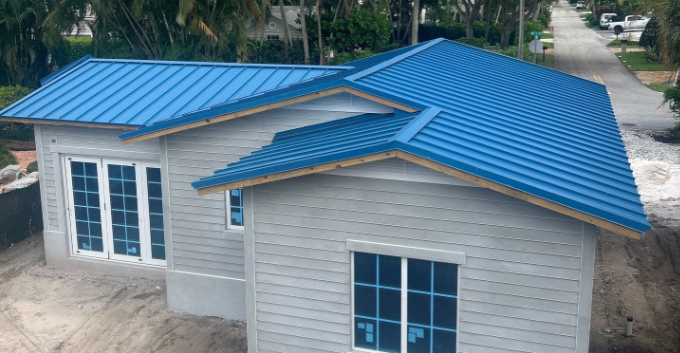
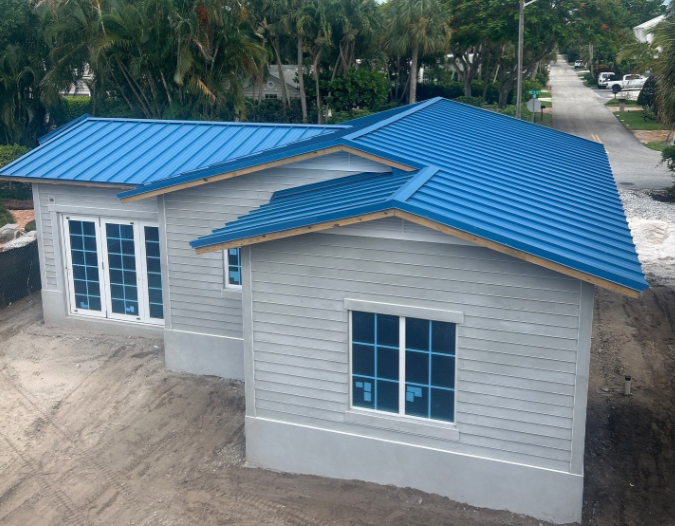
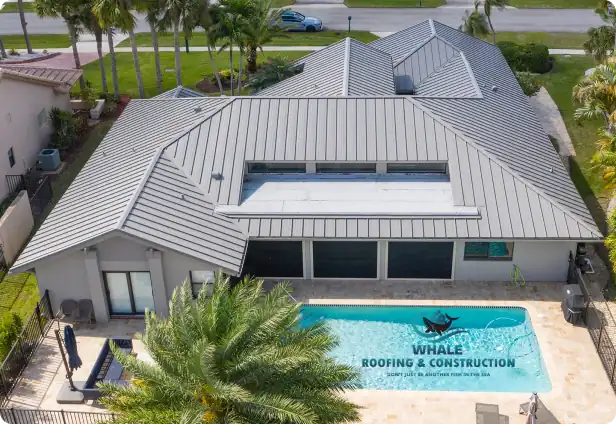
Metal roofing, particularly standing seam steel panels, is engineered with interlocking joints that eliminate exposed fasteners. This design dramatically reduces the chance of wind lifting individual panels. Many metal roof systems are rated for winds exceeding 140 mph, which puts them squarely in the range of a Category 4 hurricane.
Steel panels are also lightweight compared to concrete or clay tile, which reduces the structural load on your home. In domestic roof construction, that weight difference becomes significant, especially for older homes not originally designed to carry heavy materials.
Energy efficiency is another advantage. Metal reflects heat rather than absorbing it, which is a major benefit in a climate where the sun is relentless. This efficiency translates to lower cooling costs month after month, making metal roofing a strong long-term investment.
Colorbond-style metal finishes also offer excellent resistance to humidity and salt air, both of which are common in South Florida. These coatings prevent rust and preserve aesthetics far longer than uncoated metals.
Tile Roofing in a Hurricane: What You Need to Know
The Strengths of Tile Under Storm Conditions
Tile roofing has a centuries-old history, originating from Spain and the Mediterranean, where terracotta and clay were the materials of choice. That heritage made its way to Florida, and for good reason. Tile is dense, fire-resistant, and extremely durable under the right conditions.
Concrete tile and clay tile are both heavy, which gives them mass resistance to wind uplift when properly installed. When each tile is correctly fastened and the underlayment is solid, a tile roof can perform impressively even in severe storms. Longevity is also a defining feature. A well-maintained tile roof in South Florida can last up to 40 years.
Tile also offers strong thermal performance. The air gap beneath roof tiles acts as a natural buffer against heat transfer, reducing the amount of heat that enters your home. This contributes to energy savings over time, especially during the long South Florida summers.
Where Tile Falls Short During a Hurricane
Weight is the most significant structural concern with tile roofing. Concrete tile in particular can weigh two to four times as much as metal panels. Homes must be structurally capable of supporting that load, and not every older Boca Raton home can do so without reinforcement.
Individual tiles can crack or dislodge during a storm if a piece of debris strikes with enough force. Once a tile breaks, water infiltration becomes a fast problem. This is why regular maintenance and prompt inspection after any major weather event are non-negotiable with tile roofing.
Moss and algae growth are also more common with tile in humid climates, which adds to ongoing maintenance responsibilities. Left unchecked, organic growth can degrade the tile surface and undermine the underlayment below.
Comparing Metal and Tile Side by Side
Both materials can perform well in hurricanes when installed correctly. Here is how they compare across the factors that matter most to South Florida homeowners.
- Wind Resistance: Metal roofing generally achieves higher wind ratings as a system. Tile depends heavily on proper installation and fastening methods to match those ratings.
- Weight and Structural Load: Metal is significantly lighter, making it a safer option for homes with standard framing. Tile requires a structural assessment before installation.
- Longevity: Both materials are long-lasting. Metal typically lasts 40 to 70 years depending on the alloy and coating. Clay and concrete tile can reach up to 40 years with consistent maintenance.
- Cost and Insurance: Metal often carries a higher upfront price. However, both metal and tile roofs can qualify for insurance discounts in Florida when they meet current building code requirements. Talk to your insurance provider before choosing.
- Aesthetics: Tile offers a classic, Mediterranean look that complements many South Florida architectural styles. Metal has evolved dramatically in design and now offers a clean, modern appearance that has become increasingly popular.
- Energy Efficiency: Metal edges ahead here due to its reflective surface and effective building insulation compatibility. Tile offers passive ventilation benefits but can still absorb more heat depending on color and coating.
What Florida Building Code Requires
Florida has some of the strictest building codes in the country because of its hurricane exposure. Both metal and tile roofing systems must meet specific uplift resistance standards and be installed according to tested assembly methods. These requirements exist to protect homeowners, not to complicate the process.
Working with a licensed roofer who understands Florida’s building code requirements is not optional. It is the difference between a roof that gets a passing inspection and one that fails when it matters most.
Which One Should You Choose?
The honest answer is that neither material automatically wins. Your decision should be based on your home’s structural capacity, your budget, your aesthetic preference, and your appetite for ongoing maintenance.
If you want maximum wind resistance with minimal weight and strong energy efficiency, metal roofing is worth serious consideration. If you value the traditional look of a Mediterranean-style home and want proven longevity with proper upkeep, tile is an excellent choice.
What matters most is that whichever material you choose, it is installed by professionals who know South Florida conditions and follow current building code standards down to every fastener.
Metal vs Tile Roof: Which Option Fits Your Home?
Choosing between metal and tile roofing in South Florida comes down to your home, your priorities, and how prepared you want to be when the next storm rolls in. Both materials can be strong, durable performers when installed right. At Whale Roofing and Construction, we help Boca Raton homeowners make that call with confidence. Whether you are leaning toward metal or thinking about tile, our team offers free inspections and honest recommendations. Reach out to our metal roofing contractors to get started.