

If you’ve ever looked at two houses side by side and wondered why one has a roof that slopes on all four sides while the other has that classic triangular shape at the front, you’re already asking the right question. The difference between a hip roof and a gable roof goes way beyond curb appeal. In places like Boca Raton, FL – where wind, rain, and hurricanes are serious concerns – the roof shape you choose can make the difference between minor cleanup and major structural damage.
Let’s break down what each roof style actually is, how they perform under pressure, and what the local climate should be telling you before you make a decision.
What Is a Hip Roof?
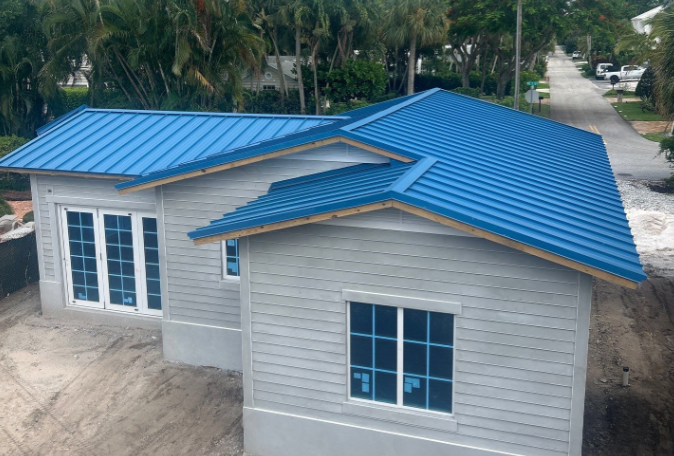
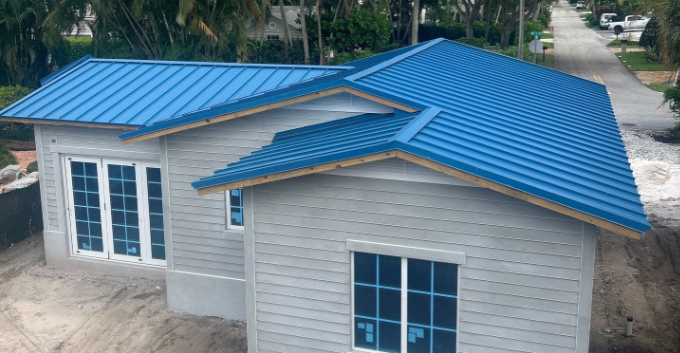
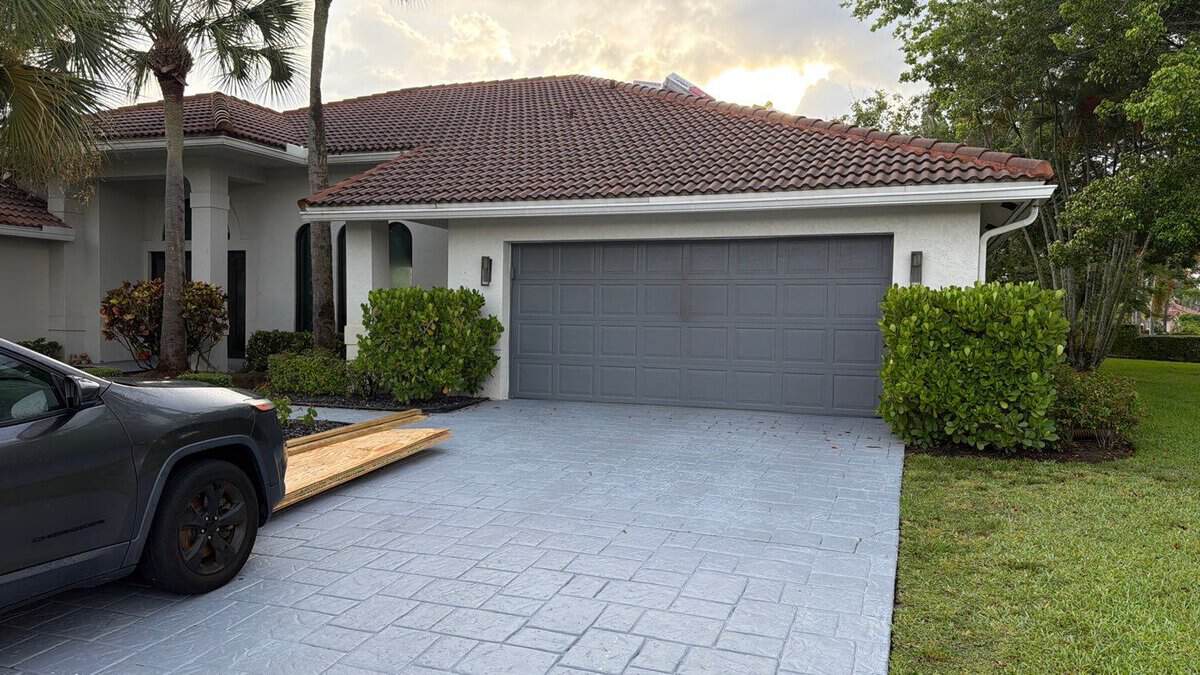
A hip roof slopes downward on all four sides, meeting at a central ridge or peak. Think of a pyramid or pavilion structure – every wall of the house has its own sloped section of roof directly above it. This creates a consistent overhang, known as the eaves, that wraps around the entire perimeter of the home.
The hip roof design has long been associated with stability, and there’s real structural logic behind that reputation. Because there are no large vertical wall surfaces exposed to the wind, the shape naturally reduces drag. Wind tends to move around and over the roof rather than slamming into a flat face.
You’ll sometimes see variations like the Dutch gable roof, which blends a gable section near the top with hip-style slopes below. There’s also the tented roof and the cross-hip design used in more complex home layouts. Each variation carries the same core advantage – a low-profile silhouette that doesn’t give wind much to grab onto.
Hip Roof and Attic Space
One tradeoff worth knowing: hip roofs typically offer less usable attic space than gable designs. The inward slopes on all sides reduce the headroom and square footage inside. If attic storage or ventilation architecture matters to you, this is something to factor into your decision.
What Is a Gable Roof?
A gable roof is the classic triangular shape most people picture when they think of a house. Two sloping sides meet at a central ridge, and the two remaining ends are vertical triangular walls called gables. It’s simple, cost-effective to build, and offers excellent attic space and natural ventilation.
Gable roofs have been used in domestic roof construction for centuries – you see them on farmhouses, churches with steeples, and everything in between. The shape handles snow load efficiently in colder climates because the steep pitch allows precipitation to slide off quickly. For that reason, the gable design became the default in many northern regions.
But here’s where climate changes everything.
Gable Roof Vulnerabilities in High-Wind Areas
The gable design creates a large, flat triangular wall surface at each end of the home. When high winds hit that surface – especially the kind of sustained, powerful gusts that come with tropical weather – the result is enormous pressure on the roof structure.
This is basic drag physics. A surface that faces the wind directly catches it like a sail. The triangular wall on a gable end doesn’t deflect wind the way a hip roof’s sloped surface does. In extreme conditions, this can cause the gable-end wall to pull away from the roof structure, compromising the entire system.
It’s not a design flaw so much as a climate mismatch. Gable roofs make perfect sense in many parts of the country. In Boca Raton, though, you’re operating in a different weather reality.
How Wind Zones Actually Decide the Winner
Building codes in South Florida are among the toughest in the country – and for good reason. The wind zone classifications here reflect the real risk of hurricane-force weather, and roofing requirements are built around those risks.
Hip roofs consistently outperform gable roofs in high-wind testing. The sloped geometry distributes wind forces more evenly across the structure rather than concentrating pressure on one or two exposed surfaces. Studies from wind engineering institutions have found that hip roof designs can reduce wind uplift by a measurable margin compared to equivalent gable designs.
There’s also the matter of the eaves. Hip roofs have continuous eaves running the full perimeter of the home, which helps protect the walls below and reduces the chance of water intrusion during heavy rain. When a storm drain gets overwhelmed and water is blowing sideways, those overhanging eaves matter more than most people realize.
Roof Pitch Matters Too
It’s not just the shape – it’s also the roof pitch. A very steep hip roof can actually catch more wind than a moderately pitched one. The optimal pitch for wind resistance tends to fall in a moderate range, typically between 4:12 and 6:12. This applies to both hip and gable roofs, but it’s especially relevant when you’re choosing a design for a wind-prone area.
Your roofing contractor should be advising you on pitch alongside shape. The two decisions are connected.
Cost Differences Between Hip and Gable Roofs
Let’s be honest about cost because it’s always part of the conversation. Gable roofs are generally less expensive to build and to re-roof. The simpler geometry means less material, easier installation, and fewer labor hours. For homeowners working within a tighter budget, this is a real consideration.
Hip roofs involve more complex construction – more angles, more cuts, more points where different roof sections meet. Each of those intersections requires careful attention to prevent water intrusion. That complexity costs more upfront.
However, when you factor in long-term performance in a wind-heavy climate, the calculus shifts. A roof that suffers damage after every major storm creates costs that add up fast – repairs, insurance claims, displaced roofing materials, water damage to the interior. The upfront investment in a more wind-resistant design can pay for itself over the life of the roof.
What About Other Roof Styles?
It’s worth briefly acknowledging that hip and gable aren’t the only options. Gambrel roofs – with their distinctive barn-like double pitch on each side – offer tremendous attic space but share some of the same wind vulnerabilities as gable designs. Mansard roofs, with their nearly vertical lower slopes and flatter upper section, are striking but also present complex drainage and structural challenges in heavy weather.
For most residential applications in Boca Raton, the conversation really does come down to hip vs. gable. Other vaulted or specialty roof types tend to be either cost-prohibitive or poorly suited to the local climate.
Making the Right Call for Your Home
If you’re replacing a roof or building new in Boca Raton, the wind zone you’re in should be driving a significant part of your roofing decision. That doesn’t mean a gable roof is automatically wrong – sometimes budget, existing structure, or architectural design makes it the practical choice. But you need to go in with eyes open about what that shape means in a high-wind environment.
A qualified local roofer should walk you through the options, explain how each design interacts with your specific home’s layout, and give you honest guidance on what makes sense for your situation. That conversation should cover roof shape, pitch, materials, and how they all work together as a system.
Roof shingle selection, for example, interacts directly with roof pitch. Metal roofing performs differently than tile when it comes to wind uplift resistance. Every variable connects.
Frequently Asked Questions
Are hip roofs required by code in South Florida?
Not universally required, but South Florida building codes do impose stricter standards for wind resistance. Hip roofs often meet those standards more easily and with less supplemental reinforcement than gable designs.
Can a gable roof be reinforced to perform better in wind?
Yes. Gable end bracing and improved truss connections can strengthen a gable roof’s wind performance. However, reinforcement adds cost and complexity, and a hip roof typically reaches the same performance level without those additions.
Does a hip roof cost more to maintain?
The additional complexity of a hip roof creates more valleys and ridges where water can potentially collect. Proper installation and occasional inspection keep these areas clear, but maintenance costs are generally comparable between the two styles when quality work is done upfront.
Is a Dutch gable roof a good compromise?
A Dutch gable roof gives you some of the aesthetic appeal and attic space of a gable design while retaining the wind-shedding slopes of a hip roof. It’s a reasonable middle ground, though it’s worth confirming that your local code requirements are met with the specific configuration.
Choosing the Right Roof for South Florida Winds
Choosing between a hip roof and a gable roof is not just an aesthetic decision – it’s a structural one, shaped by where you live. In Boca Raton, where wind and weather are serious, year-round factors, the roof shape you choose carries real consequences. Hip roofs offer a proven advantage in high-wind conditions, while gable roofs can still work when properly reinforced and realistically budgeted.
If you’re ready to talk through what makes sense for your home, contact Whale Roofing and Construction for a free inspection and honest guidance or learn more about storm damage roofing solutions designed for South Florida conditions.