

Your roof is quietly doing one of the hardest jobs in your home. It takes the full brunt of the South Florida sun, shrugs off heavy rain, and holds the line during hurricane season – all while you go about your day without a second thought. But at some point, every roof reaches its limit, and you find yourself asking the question that trips up most homeowners. When it comes to roof repair vs replacement, which one makes more sense?
That question deserves a real answer, not a vague “it depends.” Let us walk you through the actual tipping point so you can make a smart, informed decision without leaving money on the table.
Why This Decision Matters More Than You Think
Getting this wrong in either direction is costly. If you keep patching a roof that has already run its course, you are not saving money – you are stacking repair bills on top of a failing system. On the flip side, replacing a roof that had years of life left in it is a significant investment that may not have been necessary yet.
The goal is to land in the middle: knowing exactly when a repair is a reasonable fix and when it is simply delaying the inevitable.
Start With a Proper Inspection
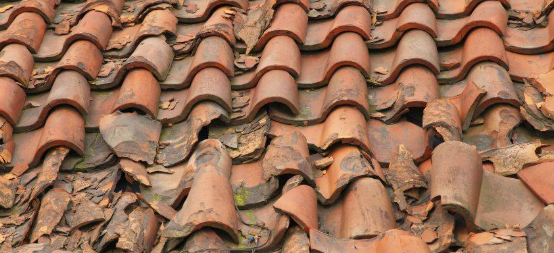
Before anything else, you need an accurate picture of what you are actually dealing with. A qualified roofer should walk your roof and check for cracked or missing roof shingles, damaged flashing around chimneys and vents, signs of weathering or granule loss on asphalt shingles, soft spots that may point to decking damage underneath, and blocked or deteriorating rain gutters that are pushing water where it should not go.
Do not skip the attic either. Water stains, mold growth, poor ventilation, and heat buildup inside the attic are often the first signs that a roof has been silently failing for longer than you realized. Whale Roofing & Construction offers free inspections and estimates, so you can get an honest read on your roof’s condition without any pressure to commit.
The Age Rule: A Simple Starting Point
Roof age is one of the clearest indicators. Here is a general breakdown by material:
- Asphalt shingles – typically last 20 to 30 years
- Roof tiles (clay or concrete) – often 40 to 50 years with proper maintenance
- Metal roof – can last 40 to 70 years depending on the gauge and finish
- Wood shingles – usually 20 to 25 years, though South Florida’s humidity accelerates weathering
- Flat roofs – generally 15 to 20 years before the membrane needs replacement
If your roof is past the two-thirds mark of its expected lifespan, even a moderate repair bill should make you pause. You may be throwing money at a roof that has already given most of what it has to offer.

When Repair Makes Sense
Not every roofing problem requires a full replacement. There are clear situations where a targeted repair is the smart call.
Isolated Damage in a Small Area
If storm debris took out a section of shingles or a single piece of flashing failed and caused a leak in one spot, that is a repair job. The surrounding materials are still sound, the damage has a clear boundary, and a skilled roofer can address it without disturbing the rest of the roof.
Your Roof Is Relatively Young
If your asphalt shingle roof is 8 to 12 years old and you are dealing with a localized leak, repair is almost always the right move. The system still has significant life left in it. A repair at this stage protects your investment and extends your roof’s performance without the cost of a full replacement.
Budget Constraints Right Now
Sometimes the timing just does not line up. A repair can buy you one to three years while you plan and budget properly for a replacement. This only makes financial sense if the roofer is honest with you about how much runway you have. A short-term repair on a roof that needs full replacement in 6 months is not a solution – it is a delay.
When Replacement Is the Right Call
This is where homeowners often resist, because replacement feels like a big commitment. But there are situations where continuing to repair is the more expensive path.
Widespread Damage After a Storm
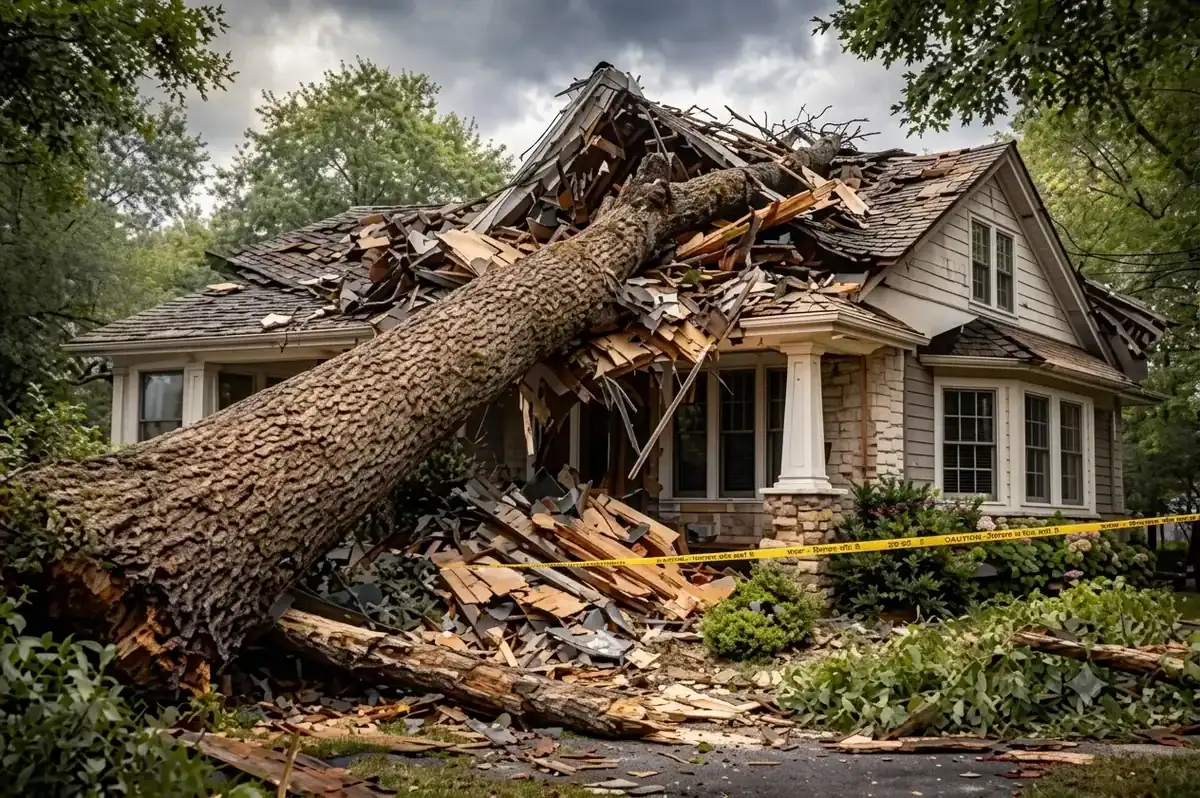
Hail damage is one of the clearest triggers for replacement. When hail impacts your roof, it does not always punch obvious holes. Instead, it bruises the granule layer on asphalt shingles across the entire surface. That granule loss accelerates weathering, shortens the roof’s life, and typically affects the whole roof – not just one section. If your roof has been exposed to hail, you need a full inspection before assuming a few visible repairs are enough.
The Repair-to-Cost Ratio Hits a Breaking Point
A widely used rule in the roofing industry is this: if a repair costs more than 50 percent of what a full replacement would cost, replace the roof. At that ratio, you are spending serious money without getting a new roof, a new warranty, or the long-term value that comes with it.
For context, a full residential roof replacement in Boca Raton can range from roughly $8,000 to over $20,000 depending on size, pitch, and material. If a repair quote is coming in at $5,000 or more on an older roof, that cost-to-value math starts pointing toward replacement.
Multiple Leaks in Different Areas
One leak is a problem. Multiple leaks in different areas of the roof are a pattern. This typically means the system as a whole is breaking down, not just one section. Chasing individual leaks on a deteriorating roof is one of the fastest ways to spend a lot of money without solving the underlying issue.
Energy Bills Are Climbing Without Explanation
Efficient energy use in your home depends partly on your roof. A failing roof with compromised ventilation and deteriorating materials allows heat to transfer into your living space far more easily. If your cooling costs have crept up and no other explanation fits, the roof may be a contributing factor – especially in South Florida where the heat load on a roof is substantial.
What About Insurance?
If storm damage is involved, your home insurance policy may cover some or all of the replacement cost. This changes the financial picture significantly. Document everything carefully – photograph the damage, note the date of the storm, and call a roofer before you call the insurance company so you have an independent assessment on hand.
Many homeowners do not realize that insurance claims can sometimes be denied based on age or maintenance history. A recent inspection report works in your favor because it establishes a baseline condition before the storm. Whale Roofing & Construction works with homeowners throughout the insurance process and can help you understand what qualifies as storm damage.
Florida’s 25 Percent Rule and Your Roof Repair vs Replacement Decision
Florida adds one more factor that homeowners in other states do not have to think about. Under the Florida Building Code, when more than 25 percent of a roof section is repaired or replaced within 12 months, that section has generally needed to be brought up to current code. A 2022 update to state law exempts roofs that were already built to the 2007 Florida Building Code or later. The Florida Building Commission maintains the current code.
In practice, this rule can turn a large repair on an older roof into a partial or full roof replacement. A local roofer can tell you which version of the code your roof was built under and how that affects your options before you commit to either path.
Roof Repair vs Replacement: A Quick Reference
To summarize the tipping point clearly:
Lean toward repair if:
- The roof is under 15 years old
- Damage is isolated to one section
- The repair cost is well under 30 to 40 percent of replacement cost
- The rest of the roof passed inspection in good condition
Lean toward replacement if:
- The roof is past 20 years and showing widespread wear
- Multiple areas are leaking or showing damage
- Hail has impacted the full surface
- Repair costs are approaching or exceeding 50 percent of replacement cost
- You are planning to sell the home and want the value and curb appeal that a new roof offers

Does Material Choice Matter During Replacement?
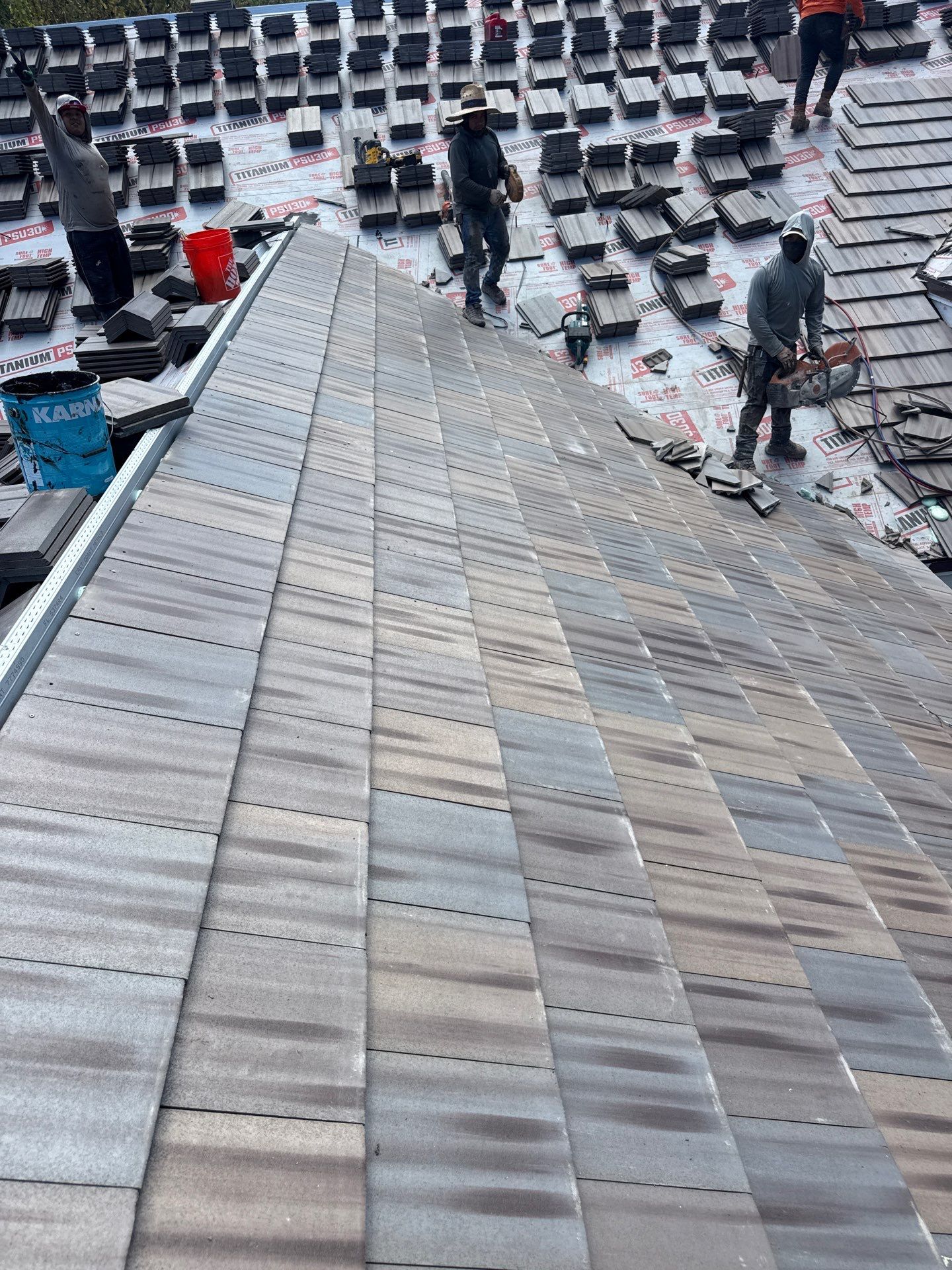
Absolutely, and this is worth thinking through carefully when you do reach the replacement stage. Tile roofing offers a classic aesthetic and long lifespan. Metal roofing has become increasingly popular for its durability, energy efficiency, and resistance to hurricane-force conditions. Shingle roofing remains a cost-effective and widely available option that suits a range of budgets.
Each material comes with different warranty terms, maintenance demands, and performance profiles. The right choice depends on your home’s structure, your budget, and how long you plan to stay in the property.
Frequently Asked Questions
How do I know if my roof just needs patching or a full replacement?
Start with a professional inspection. A roofer should assess the age of the system, the extent of visible damage, the condition of the decking, and whether the damage is isolated or widespread. Avoid relying on a quick visual from the ground.
Can I repair just part of my roof?
Yes, in many cases. Partial repairs are common and effective when the surrounding materials are structurally sound. The challenge is matching the appearance of newer shingles or tiles to the existing weathered surface, which is a cosmetic issue but generally not a functional one.
How long does a roof repair typically last?
A well-executed repair on a healthy roof can last many years. A repair on an aging or compromised roof may hold for a season or two at best. The quality of the repair and the overall condition of the roof both factor in heavily.
Will materials from home improvement stores work for a DIY repair?
Homeowners can purchase basic roofing materials at home improvement stores, but DIY repairs come with real risks in South Florida, especially given the wind and rain exposure. Improper flashing installation, missed ventilation issues, and incorrect sealing can all lead to bigger problems. For anything beyond a minor temporary patch, a licensed roofer is the safer call.
Making the Right Roof Repair or Replacement Decision
Deciding between roof repair vs. replacement does not have to feel overwhelming. The key factors are your roof’s age, the scope of the damage, your budget, and what the math actually tells you. When the numbers and the condition of the roof align toward replacement, delaying it usually costs more in the long run. If you are not sure where your roof stands, the best next step is an honest inspection from a qualified roofer. Contact Whale Roofing & Construction to schedule your free inspection today, or learn more about our roof repair services to understand what options are available to you.