


If you have a flat roof and something has gone wrong, your first question is probably the same as everyone else’s: “How much is this going to cost me?” It is a fair question, and the honest answer is that it depends on several factors that most contractors do not take the time to explain upfront.
Understanding what drives your flat roof repair cost up is not just about budgeting. It is about knowing when a small patch job becomes a major project, and why two identical-looking leaks can come with very different price tags.
Why Flat Roofs Require a Different Repair Approach
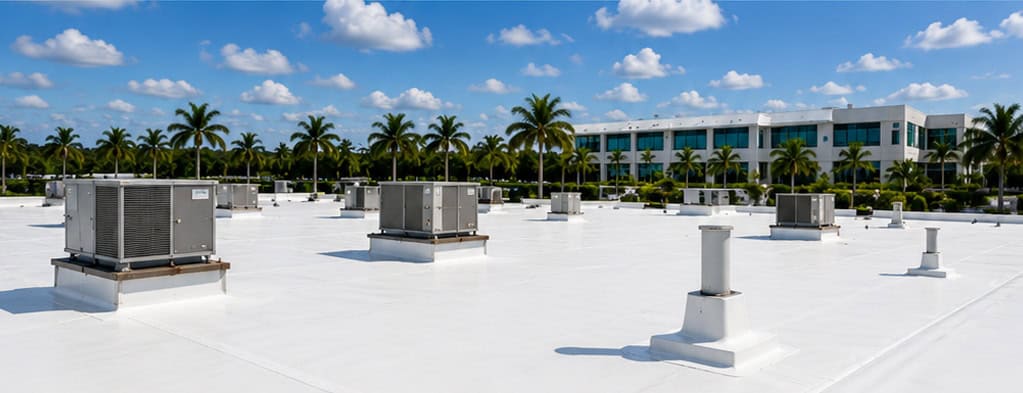
Flat roofs are not actually flat. They have a slight pitch designed to move water toward drains, but they still sit closer to the surface than sloped roofs. That design makes them efficient for certain building types, but it also means water has fewer ways to escape when something goes wrong.
In South Florida, that matters a lot. The combination of intense UV exposure, seasonal downpours, and hurricane-force winds puts flat roofing systems under a level of stress that most other climates simply do not see. When damage occurs here, it tends to be more complex, which directly affects the scope and cost of repairs.
The Biggest Factors That Raise Flat Roof Repair Costs
1. The Size of the Damage Area
This one seems obvious, but it catches homeowners off guard more often than you would think. A leak you notice inside the house may look minor, but the actual damage on the roof surface is often much larger.
Water travels. It can enter through one small breach and spread several feet before it soaks through your ceiling. By the time you see the stain, the repair area may already be three to four times larger than the entry point. Contractors price repairs by the square foot, so a larger affected area directly increases your total cost.
2. The Roofing Material and System Type
Not all flat roofs are built the same. The three most common flat roofing systems you will encounter in residential applications are TPO, EPDM, and modified bitumen. Each has its own repair process, material costs, and labor requirements.
TPO membranes are heat-welded and require specific equipment to repair properly. EPDM is a rubber-based system that uses adhesives and patches. Modified bitumen involves layered asphalt sheets that must be matched carefully. If your existing system is older or discontinued, sourcing compatible materials can add to both cost and time.
3. How Long the Damage Has Been There
Timing is one of the most overlooked cost drivers. A fresh leak caught within days of forming is typically a straightforward repair. A leak that has been seeping for months – or one that was patched improperly years ago – creates a cascade of secondary damage that compounds the repair cost significantly.
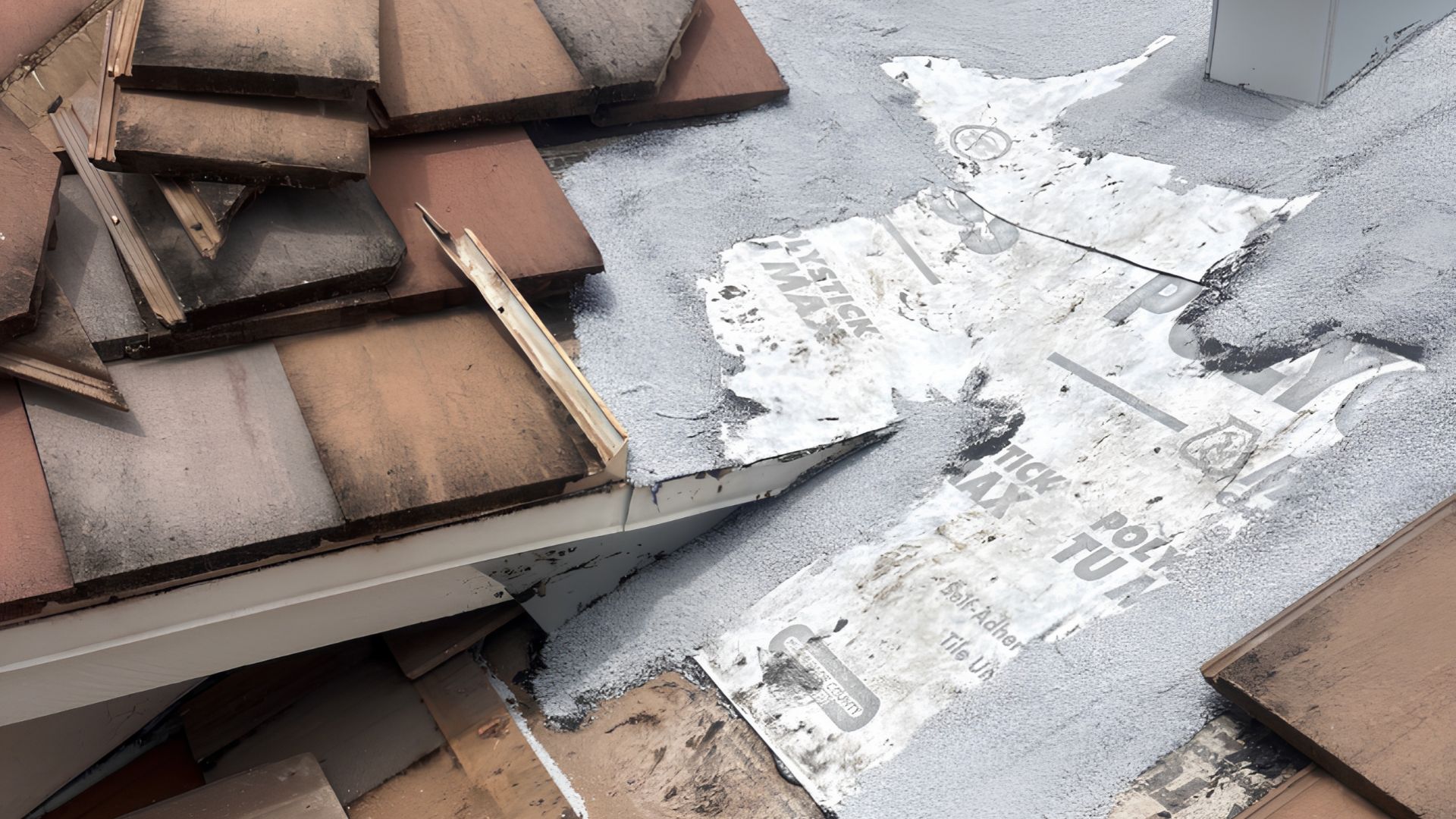
When moisture sits beneath a flat roofing membrane, it breaks down the insulation layer, weakens the roof deck, and can even begin to affect structural elements. Replacing saturated insulation or repairing a compromised decking layer adds real cost to what might have been a simple surface fix.
4. Roof Deck Condition
The roof deck is the structural layer beneath your roofing system. It is usually made of plywood or OSB (oriented strand board), and it is what everything else sits on top of.
When moisture infiltration has been ongoing, the deck absorbs water and begins to rot or delaminate. A contractor cannot simply lay new membrane over a compromised deck. The damaged sections must be removed and replaced first, which adds labor hours and material costs before the actual roofing repair even begins.
5. Number of Penetrations and Flashing Points
Every pipe, vent, HVAC unit, or skylight that passes through a flat roof is a potential failure point. These are called penetrations, and they require flashing – a material used to seal the transition between the roofing membrane and the object passing through it.
Flashing is one of the first places flat roofs fail. If your roof has multiple penetrations and the flashing around them is failing, each one needs to be addressed individually. The more points of failure, the more time and material the repair requires.
6. Access and Safety Requirements
You might not think about this one, but contractors do. A flat roof on a single-story home is relatively simple to access. A flat roof on a multi-story building, or one surrounded by landscaping, fencing, or other structures, requires additional setup.
When equipment needs to be repositioned, scaffolding needs to be used, or safety protocols require extra crew, those costs get factored into the final estimate. It is not about charging more for the same job – it is about the actual time and resources required to do the job safely and correctly.
7. Hidden Damage Found During Inspection
Flat roof repairs often start with what a homeowner can see, but the full picture does not emerge until an experienced contractor gets on the roof and inspects it properly. What looks like one isolated problem can reveal additional damage once the surface is closely examined.
Blistering, bubbling, ponding water zones, and membrane shrinkage are all issues that may not be visible from the ground but add scope to a repair project once identified. A reputable contractor will walk you through every finding and explain why each item affects the overall repair plan.
When a Repair Is Not Enough
There is a point where ongoing repairs stop being cost-effective. If your flat roof is repeatedly failing in different spots, if the membrane is nearing the end of its useful lifespan, or if deck damage is widespread, a full flat roof replacement may actually cost you less over time than continuing to patch.
This is a conversation worth having honestly with your contractor. The goal is not to upsell you on a replacement you do not need – it is to help you understand what your long-term options actually look like. Knowing when to repair versus when to replace is part of what a qualified roofing professional should bring to the table.
If you want to understand more about the full scope of flat roofing options available, learning about flat roof systems can help you make a more informed decision when the time comes.
How South Florida Weather Affects Flat Roof Repair Timelines and Costs
South Florida’s climate is not forgiving. The UV index here is among the highest in the country, and flat roofing membranes that bake in direct sun year-round age faster than those in cooler climates. That accelerated aging means repair needs tend to arise sooner, and materials need to be rated for that kind of exposure.
Then there is hurricane season. Wind-driven rain can force water under even a well-maintained membrane if the edge details or flashing have any weakness. After a major storm event, repair demand spikes, which can affect both scheduling availability and material costs depending on the timing.
What You Can Do to Keep Flat Roof Repair Costs Under Control
Proactive maintenance is the single most effective way to control what you spend on flat roof repairs over time. A roof that is inspected regularly will have smaller problems caught before they become larger ones.
A few practical steps that genuinely make a difference:
- Keep roof drains and scuppers clear of debris so water moves off the surface efficiently
- Schedule a professional inspection after any significant storm
- Do not ignore ceiling stains or unexplained moisture inside the home
- Address minor repairs promptly rather than waiting to see if they worsen
These habits do not eliminate the need for repairs, but they reliably reduce how severe and how expensive those repairs become.
What to Expect From a Flat Roof Repair Estimate
A trustworthy estimate should never be a single number handed to you without context. It should explain what was found during the inspection, what work is required, what materials will be used, and why each line item is necessary.
Be cautious of estimates that skip the inspection entirely or that come in dramatically lower than others without explanation. In roofing, unusually low pricing usually means something is being left out, either in the scope of work or the quality of materials.
Whale Roofing and Construction offers free inspections and estimates because we believe you should have accurate information before making any decision. Our in-house team – not subcontractors – does every inspection and every repair, so the person quoting the job is the same team completing it.
If your home has experienced storm-related damage, it is also worth understanding how storm damage repair intersects with your flat roof repair needs, since some costs may be covered under your homeowner’s insurance policy.
FAQs About Flat Roof Repair Costs
How do I know if my flat roof needs repair or full replacement?
If the damage is isolated to one area and the rest of the membrane is in reasonable condition, a repair is usually the right starting point. If your roof is over 15 to 20 years old, has widespread membrane failure, or requires repeated repairs in multiple locations, replacement is worth evaluating seriously.
Does homeowner’s insurance cover flat roof repairs?
It depends on the cause of the damage. Sudden events like storm damage are typically covered. Gradual deterioration from age or lack of maintenance usually is not. After a storm, always have a professional inspection completed before filing a claim so you have accurate documentation.
How long does a flat roof repair take?
Minor repairs on a standard-sized residential flat roof can often be completed in a single day. Larger repairs involving deck replacement or multiple problem areas may take two to three days. The timeline will depend on the scope identified during the inspection.
Is it safe to ignore a small flat roof leak?
No. Flat roof leaks rarely stay small. Because water can travel beneath the membrane before it becomes visible inside, what feels like a minor drip may already represent a larger area of infiltration. The longer a leak goes unaddressed, the more the surrounding materials absorb moisture and deteriorate.
What is the best flat roofing material for South Florida homes?
TPO is widely used and performs well in high-UV environments. Modified bitumen is also common in residential applications and holds up well in South Florida conditions. The best choice depends on your specific roof design, budget, and existing system. A qualified contractor can help you evaluate the options.
How to Keep Your Flat Roof Repair Costs Under Control
Flat roof repair costs go up when damage is caught late, when materials are mismatched, or when hidden problems compound what started as a simple fix. The best thing a homeowner can do is stay ahead of it with regular inspections and prompt attention to anything unusual.
If you are dealing with a flat roof issue right now and want a clear, honest assessment of what it will actually take to fix it, reach out to Whale Roofing and Construction at (561) 408-4433 for a free inspection. You can also learn more about our roof repair services to understand what the repair process looks like from start to finish.