
- No pressure
- No obligation
- Local Boca team
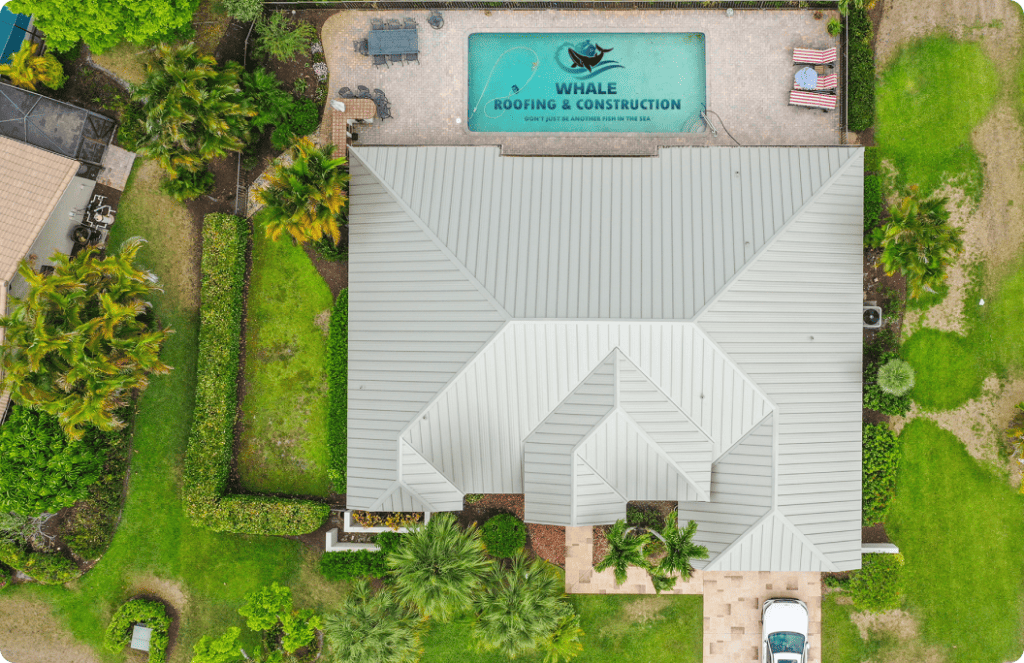
#1 Top-Rated Roofing Company in Boca Raton
Providing Professional Residential and Commercial Roofing Services to Boca Raton, Palm Beach, Broward and Miami-Dade counties. With a Focus on Quality, Communication, and Long-Lasting Results.
Schedule your FREE
Roofing Estimate Today!
Recognized by Trusted Local & National Organizations

Why Locals Choose
Whale Roofing & Construction

Licensed & Fully Insured
We are fully licensed and insured, protecting your home and our crew on every project.

Top-Quality Roofing Materials
Metal, tile, and shingle roofs, backed by the best labor and manufacturer warranties.

Supervised In-House Crews
In-house, supervised crews ensure consistent quality and clear communication.

Clear Pricing & 24/7 Support
Transparent pricing, no surprises, and 24/7 phone support you can rely on.

Roof Replacement & Repair Services Built for South Florida Homes
Whether you’re dealing with roof damage or planning a replacement, Whale Roofing & Construction delivers dependable roofing solutions designed to protect your home and give you peace of mind.

Metal Roofing Service
Durable, energy-efficient metal roofing built to handle South Florida’s toughest weather while boosting your home’s longevity and value.

Tile Roofing Service
Timeless clay and concrete tile roofing that combines durability, weather resistance, and classic curb appeal for long-lasting protection.

Shingle Roofing Service
High-quality architectural shingle roofing designed for durability, weather resistance, and enhanced curb appeal for South Florida homes.

Flat Roofing Service
Durable flat roofing solutions designed for residential and commercial properties, offering reliable waterproofing, energy efficiency, and long-lasting protection.
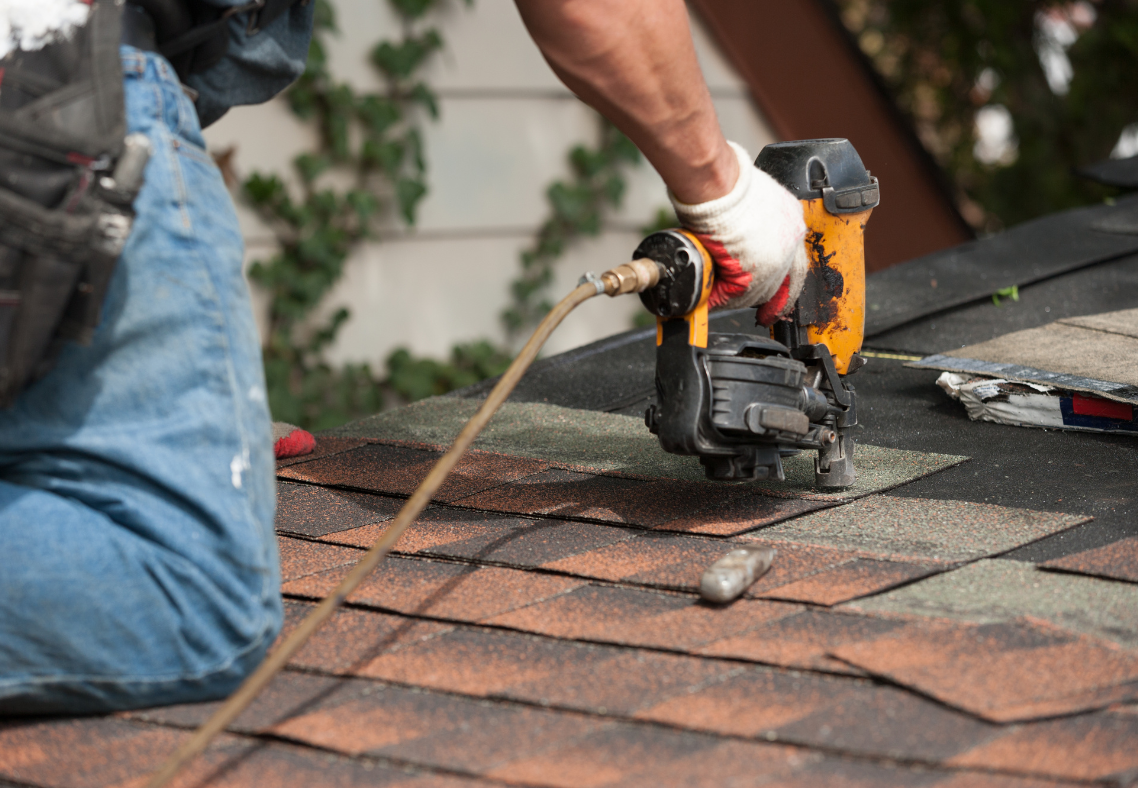
Repair Roofing Service
Professional roof repair services designed to quickly fix roof leaks, damaged shingles, and roofing issues before they lead to costly repairs or further damage.

Emergency Roofing Service
Fast, reliable emergency roofing services to address storm damage, roof leaks, and urgent roofing issues before they cause further damage to your home.
- No pressure
- No obligation
- Local Boca team
Hire The Most Trusted Roofers in
Boca Raton, Palm Beach, Broward,
& Miami-Dade
Whale Roofing & Construction provides transparent pricing and expert service for roof repair and roof replacement projects.
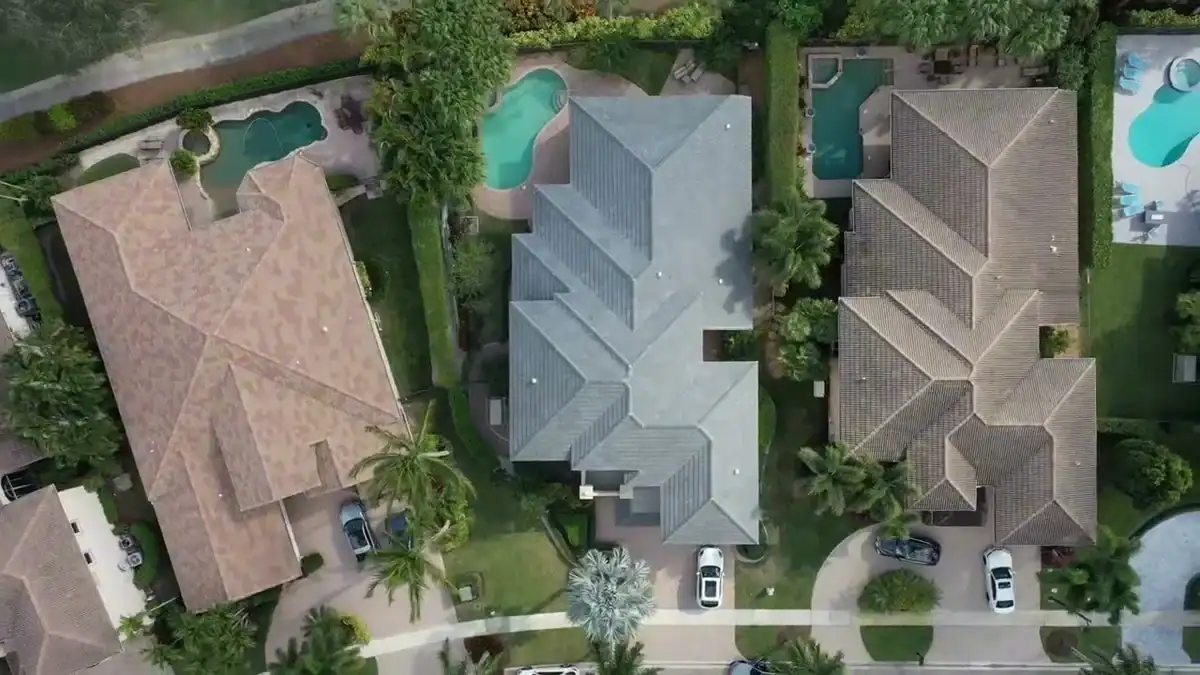
City: Westlake
Roof Type: Tile Roof

City: Maple Creek
Roof Type: Eagle Tile Capistrano
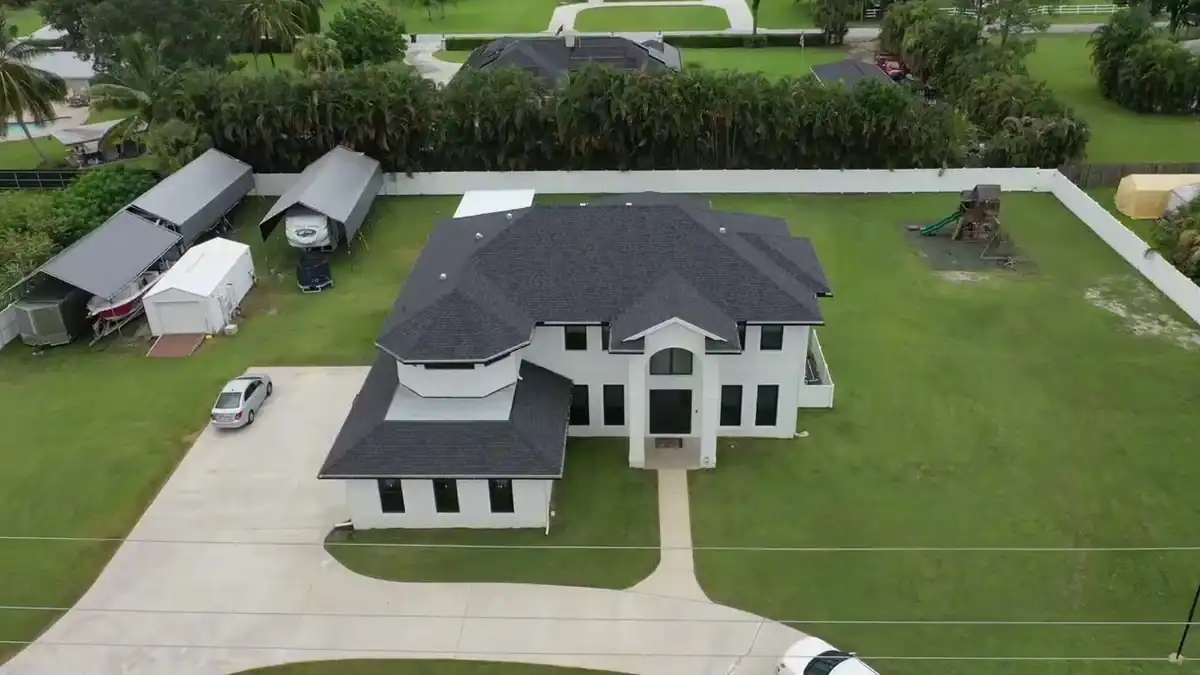
City: Coral Springs
Roof type: Shingle Roof
Why Choose Whale Roofing and Contracting
See how our local, hands-on approach compares to large statewide roofers.
| Whale Roofing and Contracting | Large Statewide Roofers | |
|---|---|---|
|
Boca-based crews |
✅ |
❌ |
|
Same team start to finish |
✅ |
❌ |
|
Clear, upfront pricing |
✅ |
⚠️ |
|
Easy access to owner/team |
✅ |
❌ |
|
Calls answered 24/7 |
✅ |
⚠️ |
Proudy Serving Boca Raton, Palm Beach, Broward, & Miami-Dade Areas
All Locations
- Boca Raton
- Delray Beach
- Deerfield Beach
- Parkland
- Boynton Beach
- Lauderdale-By-The-Sea
- Davie
- Coral Springs
- Southwest Ranches
- West Palm Beach
- Lantana
- Lighthouse Point
- Wellington
- Ocean Ridge
- Manalapan
- Plantation
- Palm Beach County
- Broward County
- Fort Lauderdale
- Lake Worth
- Lake Worth Beach
- Pompano Beach
- Margate

- No pressure
- No obligation
- Local Boca team
See What They're Saying
We Love Our Customers
EXCELLENTTrustindex verifies that the original source of the review is Google. Highly recommend, great job from start to finish.Posted on GoogleTrustindex verifies that the original source of the review is Google. SO delighted with our experience with Whale Roofing. I had to coordinate a new roof from out of state and they did such a fantastic job to make everything as easy as possible. Quick to respond, happy to help, and the highest quality of work. They took over 400 pictures of the work in progress to share with me. Wow!! I did get to see it in person and the finished product is absolutely beautiful; I couldn't be happier. If you're interested, this is the Crown Tile, Sanibel, Sand Dollar. On top of all this, they were the best priced of multiple bids! Thank you so much David and Jacob!Posted on GoogleTrustindex verifies that the original source of the review is Google. Whale Roofing provided us with amazing customer service, while making the whole roof replacing process a breeze. David was very helpful in the beginning stages by initiating all the necessary steps to start the process and drove many miles on multiple occasions to hand deliver us physical shingle samples. My wife and I were able to take our time with our options and make a sure decision on which color would suit our home, while following the necessary HOA guidelines in our community. Boynton Beach is typically known for having a long approval process for roof replacement applications/permits, but the staff at Whale Roofing handled everything, providing much peace of mind for us. Jacob managed the project efficiently and was very informative about the schedule and inspection process. His team was able to finish the job in two business days, whilst working around inclement weather conditions. Our roof is now secure just in time for hurricane season and we appreciate the great experience. Thanks, again!Posted on GoogleTrustindex verifies that the original source of the review is Google. We just replaced our roof for the first time and it was a big purchase that we were unsure about. David came to our home, explained the process, showed us our options, and we moved forward with the replacement. You will not regret choosing Whale Roofing, they did an amazing job!!Posted on GoogleTrustindex verifies that the original source of the review is Google. We had a small leak in our roof, we called whale roofing and from the start they made us feel confident about our decision to choose them for the job. Easy, fast, no confusion. Thank you!Posted on GoogleTrustindex verifies that the original source of the review is Google. I am very pleased with the service provided by this company. The staff was professional, friendly, and helpful from start to finish. The roofing work was completed with great care and attention to detail, and everything was left clean and tidy. I highly recommend them to anyone looking for quality workmanship and excellent customer service.Posted on GoogleTrustindex verifies that the original source of the review is Google. I am super happy with the work done by this company. From the very first contact, the employees were friendly, professional, and always willing to answer all my questions. Their customer service was excellent throughout the entire process. The quality of the workmanship was outstanding. The team paid great attention to detail, worked very neatly, and left everything clean and organized when the job was completed. The roof looks amazing, and you can really see the care and dedication they put into their work. I highly recommend this company to anyone looking for reliable, professional, and high-quality roofing services. Thank you for such a great experience!Posted on GoogleTrustindex verifies that the original source of the review is Google. Derek and Whale Roofing made the headache of having to re-do our roof seamless. The follow up throughout the whole process really stuck with us. We’ve dealt with several companies before where once the job is done, that’s the last you hear from them. This wasn’t like that. Everything went how it was explained, and after it was finished Derek reached out to make sure everything turned out how we expected. Thank you!Posted on GoogleTrustindex verifies that the original source of the review is Google. Whale roofing did a great job helping me diagnose and repair a leak on our roof requiring repairs on the valley, our flat roof and the skylight. They diagnosed the issue very efficiently and were able to come and do the repair 2 days later. They worked really well solved our issue without breaking any tiles, and left everything very clean. Communication was very effective and cost very reasonable.
Recent Roofing Projects & Reviews in Boca Raton, FL
“After talking to a few companies, we went with Whale Roofing for our Boca Raton home and it was the right decision. They were straightforward, answered all our questions, and didn’t try to push anything extra. The crew worked efficiently, kept the area clean, and the quality of the installation really stands out. The roof looks great and the whole process felt very well managed from start to finish.”
“We had Whale Roofing install a standing seam metal roof on our home and couldn’t be happier with how it turned out. From the first conversation, they were knowledgeable, transparent, and made the whole process easy to understand. The crew was professional, worked cleanly, and paid close attention to every detail. The finished roof looks sharp, fits the home perfectly, and the craftsmanship is obvious. We felt well taken care of from start to finish and would absolutely recommend them.”
“We hired Whale Roofing to replace our roof and they delivered from start to finish. The team was easy to work with, communicated clearly throughout, and never tried to oversell us on anything we didn’t need. The crew showed up on time, kept everything tidy, and the quality of the metal roof installation is excellent. The dark finish looks beautiful against the house and the whole job was handled professionally. Really glad we chose them and would recommend without hesitation.”
“We chose Whale Roofing for our home and the results speak for themselves. The process was smooth from the initial consultation all the way through completion, they were honest, organized, and easy to communicate with. The crew handled the complexity of our roofline with real skill, and the attention to detail around the dormers and chimneys was impressive. The charcoal metal roof ties the whole look of the home together beautifully. Exceptional work and a team that clearly takes pride in what they do.”
- No pressure
- No obligation
- Local Boca team
Frequently Asked Questions
How can I tell if my roof needs repairs or a replacement?
Common signs your Boca Raton roof may need attention include missing or cracked tiles, loose shingles, leaks, water stains, sagging areas, or visible storm damage. In many cases, localized issues can be resolved with roof repair. However, if your roof is older or has widespread damage, a full roof replacement may be the better long-term solution. A professional roof inspection is the best way to determine the right option.
What makes Boca Roofing Company different from other roofing contractors?
Boca Roofing Company stands out by combining expert craftsmanship, high-quality materials, and deep experience with South Florida roofing systems. We understand Boca Raton’s climate, building codes, and storm risks, allowing us to deliver roofing solutions that last. From roof replacement to emergency roofing services, we focus on transparency, communication, and long-term value, not shortcuts.
Are you licensed and insured in Boca Raton?
Yes. We are fully licensed and insured to perform roofing work in Boca Raton and throughout South Florida. Our coverage includes general liability and workers’ compensation insurance, giving homeowners peace of mind that their property and investment are protected.
Do you offer free roof inspections in Boca Raton?
Absolutely. We offer free roof inspections for Boca Raton homeowners. Whether you’re concerned about storm damage, aging materials, or potential leaks, our inspections provide clear recommendations with no obligation. This helps you make informed decisions about roof repair or roof replacement.
How do I prepare my home for a roof replacement?
Before a roof replacement, we recommend clearing driveways, moving vehicles away from the home, and securing fragile items inside. Our team handles daily preparation and cleanup to protect your property throughout the project. We’ll also walk you through the process in advance so you know exactly what to expect.
Do you offer roof replacement services in Boca Raton?
Yes. We specialize in roof replacement in Boca Raton, including shingle, tile, metal, and flat roofing systems. Every roof replacement is designed to meet Florida building codes and withstand South Florida’s heat, wind, and heavy rain.
What types of roofing services do you offer in Boca Raton?
We provide a full range of roofing services, including:
- Roof repair
- Roof replacement
- Metal roofing
- Tile roofing
- Shingle roofing
- Flat roofs
- Emergency roofing services
Each system is installed with materials selected specifically for Boca Raton’s coastal climate.
Do you provide emergency roofing services in Boca Raton?
Yes, our emergency roofing team is available to respond quickly after storms, hurricanes, or unexpected roof damage. We provide temporary protection and permanent repairs to prevent further damage to your Boca Raton home.

Don’t Just Be Another Fish In The Sea!